Losing focus, forgetting familiar words, or wandering into a room without remembering why can be unsettling for older adults. These lapses often raise fears of Alzheimer’s or dementia. Yet, medical experts point out these issues may relate to hormonal changes, especially in women experiencing perimenopause and menopause.
Hormonal Changes and Memory
Dr. Rhonda Voskuhl, a neurology professor at UCLA and co-founder of Cleopatra RX in Los Angeles, emphasizes self-awareness among women in midlife. She advises women to compare their current cognitive function with their own past performance before worrying about serious issues.
The Role of Estrogen
For many women, sudden memory lapses are often due to estrogen loss during hormonal transitions rather than early dementia. This perspective encourages self-reflection and understanding of personal cognitive changes.
The 10-Year Assessment
To help women evaluate if their memory issues are linked to hormonal shifts, Voskuhl suggests a practical approach: compare the current mental state to what it was a decade ago.
“Are you worse than you were 10 years ago?” Voskuhl asked, referencing the Voskuhl Brain Fog Menopause Assessment at UCLA’s Comprehensive Menopausal Program. This comparison serves as a baseline for monitoring symptoms over time.
Subjective Cognitive Decline
Standard memory tests often miss subtle cognitive shifts, known in the medical field as subjective cognitive decline. While nearly one in nine adults report such decline, less than half discuss them with healthcare professionals.
“They know if they’re not like they used to be,” Voskuhl highlighted, comparing this understanding to a high-performing athlete aware of a decline despite normal test results.
Menopausal Brain Fog vs. Dementia
Understanding the difference between hormonal brain fog and neurodegenerative disease depends on how memory loss affects everyday life. Menopausal brain fog involves temporary lapses like misplacing items or slower processing but doesn’t hinder reasoning or independence.
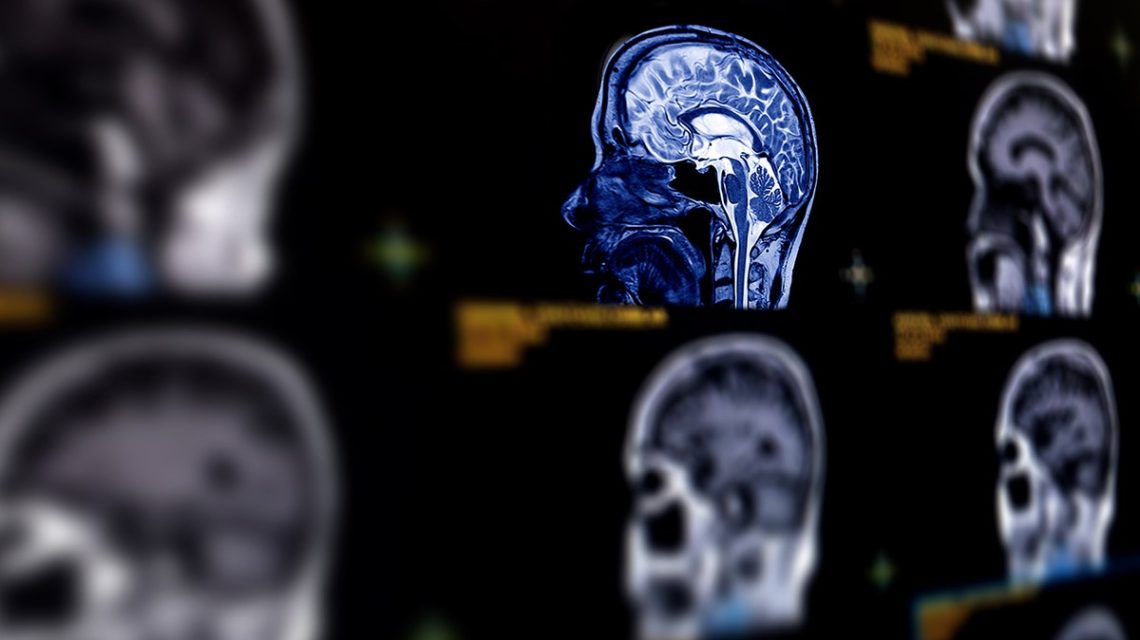
Early dementia, however, leads to progressive memory loss that disrupts basic daily tasks. Experts advise thorough medical evaluations, including brain MRIs or vascular screenings, to rule out other issues like blood vessel disease or thyroid imbalances.
For women whose concerns are dismissed, Voskuhl advises finding a new doctor who listens and takes their observations seriously.
 Concerns Over Kratom’s Health Risks Following Student Deaths
  Impending Changes to SNAP and Medicaid: Impact and Reactions
  Family Files Lawsuit Following Tierra Walker’s Death Due to Preeclampsia
  Concussions Increase Alzheimer’s Risk in Older Adults
  Porsha Williams Opens Up About Her Health Journey
  Communicating with Children about Weight Loss Medications