
A group of Senate Democrats is questioning Health and Human Services Secretary Robert F. Kennedy Jr. regarding possible workarounds in an ethics agreement following discrepancies in his financial disclosures.
During Kennedy’s confirmation last year, he was part of a lawsuit involving law firm Wisner Baum against Merck, the maker of the HPV vaccine Gardasil. The lawsuit claimed the vaccine caused neurological and autoimmune issues. Earlier this year, Merck settled for $50 million without admitting fault, maintaining its product safety and efficacy. Wisner Baum confirmed that neither Kennedy nor his son received money from the settlement, opposing Kennedy’s statements to Congress about divesting his interests. Initially, Kennedy claimed he would transfer his case interests to his son, but HHS later revealed the interests went to Wisner Baum. The firm confirmed this transaction.
This inconsistency has raised concerns among Democratic Senators Elizabeth Warren (Mass.), Ron Wyden (Oreg.), Richard Blumenthal (Conn.), and Angela Alsobrooks (Md.). They questioned the reasons behind Kennedy’s decision to revert his stakes back to Wisner Baum. The lawmakers pointed out the lack of explanation regarding possible entitlements or benefits Kennedy might receive from Wisner Baum once he leaves government.
HHS Senior Press Secretary Emily Hilliard stated that Kennedy adhered to his ethics agreement by divesting his financial interests in the Gardasil contingency cases before taking on his role as Secretary. Hilliard emphasized that Kennedy held no financial interest in the fees, confirmed by HHS ethics officials to relevant congressional committees. She labeled any claims that Kennedy retained financial interests post-office as false.
“Secretary Kennedy fully complied with his ethics agreement,” said Emily Hilliard.
Meanwhile, significant healthcare policy developments include:
- UC San Diego School of Medicine researchers discovered a peptide called catestatin (CST) that might help address Alzheimer’s and other neurodegenerative diseases.
- Sen. Susan Collins (R-Maine) urged the Trump administration to use over $1 billion in global health funding before its expiration.
- Efforts to advance President Trump’s $1.5 trillion Pentagon budget have intensified, though concerns remain over the timing and coalition-building.
Additional updates highlight generational differences in attitudes toward China, noted fluctuations in measles cases, and ongoing leadership changes at the WHO. Local headlines address issues such as a potential repeal affecting Massachusetts’ marijuana workforce and emergency declarations in Florida counties due to dengue fever.
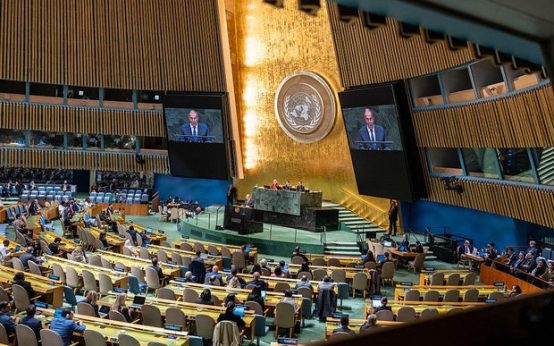 Escalating Tensions at the UN: Russia Accuses Europe of Blocking Peace Plans
 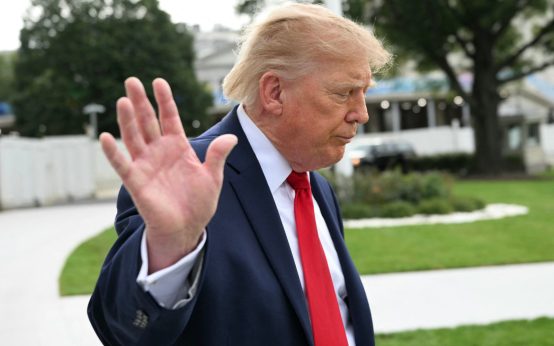 Trump’s Beef Import Policy Impact on Approval Ratings
  The Supreme Court’s October Term: Key Cases to Watch
  Understanding Menopausal Brain Fog: Hormonal Shifts and Memory
  Concerns Over Kratom’s Health Risks Following Student Deaths
  DHS to Overhaul Redaction Process with New Technology