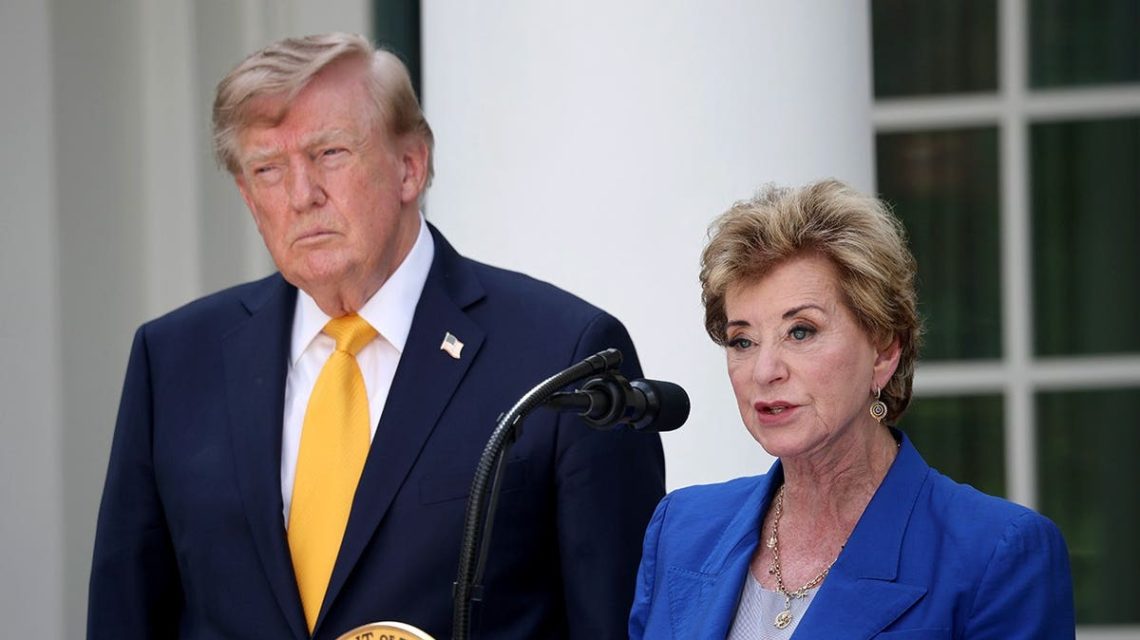
Democratic governors historically against school choice may find themselves under pressure to join President Donald Trump’s Federal Scholarship Tax Credit (FSTC) initiative. With New York Governor Kathy Hochul considering joining, the competitive landscape is shifting, according to a top U.S. Department of Education official.
Lindsey Burke, deputy chief of staff for policy and programs at the Department, expressed that this pressure could lead all states to opt in. Her comments follow proposed regulations issued by the Department of the Treasury and the Internal Revenue Service on October 1, signaling the launch of a nationwide school choice framework.
“I think that pressure is real and is going to encourage all 50 states to ultimately opt in,” Burke stated to Fox News Digital.
The Education Freedom Tax Credit program enables taxpayers to earn up to a $1,700 federal tax credit per donation to non-profit scholarship-granting organizations (SGOs). However, participation depends on state governors’ decisions to formally join.
More than half of U.S. states have already opted into the program, as the IRS reports. Burke noted this momentum could persuade states resistant to school choice to participate, to capture donations within their borders. She highlighted the scenario where donors in states like California might choose to donate elsewhere if California doesn’t opt in, benefiting students in other states instead.
Linda McMahon, Education Secretary, emphasized some Democratic leaders oppose the program due to its association with Trump. An example involves Kentucky Governor Andy Beshear, who initially resisted the program over concerns about diverting resources from public education. Despite his veto, Kentucky’s legislature enacted opt-in legislation.
These scholarships differ from traditional vouchers as they don’t draw directly from public education funds. Taxpayers can redirect federal tax liabilities to non-profit funding, aiding scholarships. States can choose whether to allow participation, affecting the availability of these funds for local families.
Sydney Altfield, CEO of Teach Coalition, highlighted the significant financial incentives. Avoiding the program could mean losing potential funding to other states. Altfield speculated that Governor Hochul may actively pursue additional funding for New York.
Colorado Governor Jared Polis led as the first Democratic governor committing to the federal program. Polis dismissed earlier criticisms, citing opportunities for funding educational services like tutoring and after-school programs.
Governor Hochul received affirmation from her office in May about New York’s plans to join in 2027. Labor groups and teacher unions, however, opposed her decision, arguing it could shift funds away from public schools. A petition urged her to reconsider, questioning the program’s broader awareness and impact.
Background pressures persist in major city school districts diminished by the COVID-19 pandemic. School choice programs address a growing demand among parents for diverse education options.
Joshua Q. Nelson, a Fox News Digital reporter, contributed to this report. He has been with Fox News Digital since 2019, covering cultural trends, education, and public policy. Nelson holds a degree from Syracuse University’s Maxwell School and a Wharton Public Policy Certificate.
 Sen. Tom Cotton Opposes Year-Round Daylight Saving Time Amid Trump Pressure
  A Meeting with Steve Hilton’s Vision Amid California’s Political Dynamics
 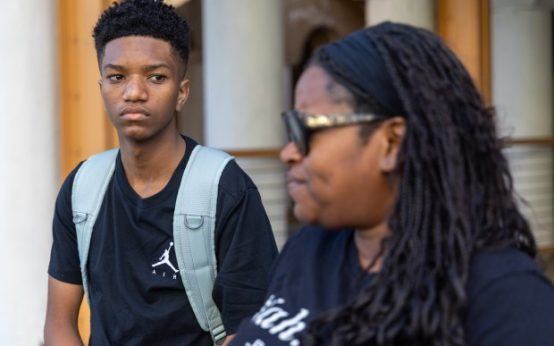 The Ongoing Importance of ‘The Talk’ in Navigating Challenges for Black and Brown Youths
 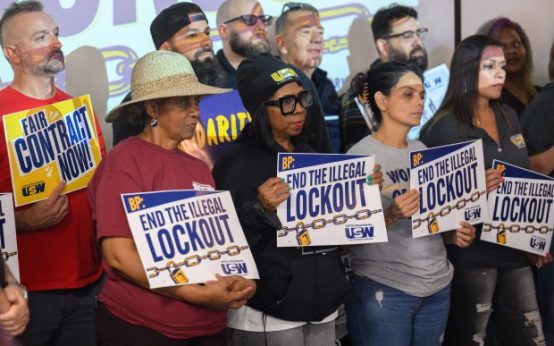 BP Lockout Spurs Push for Indiana Legislation on Unemployment Benefits
  Urgent Reforms Needed in Republican Nomination Process
  Debate Heats Up Over Permanent Daylight Saving Time