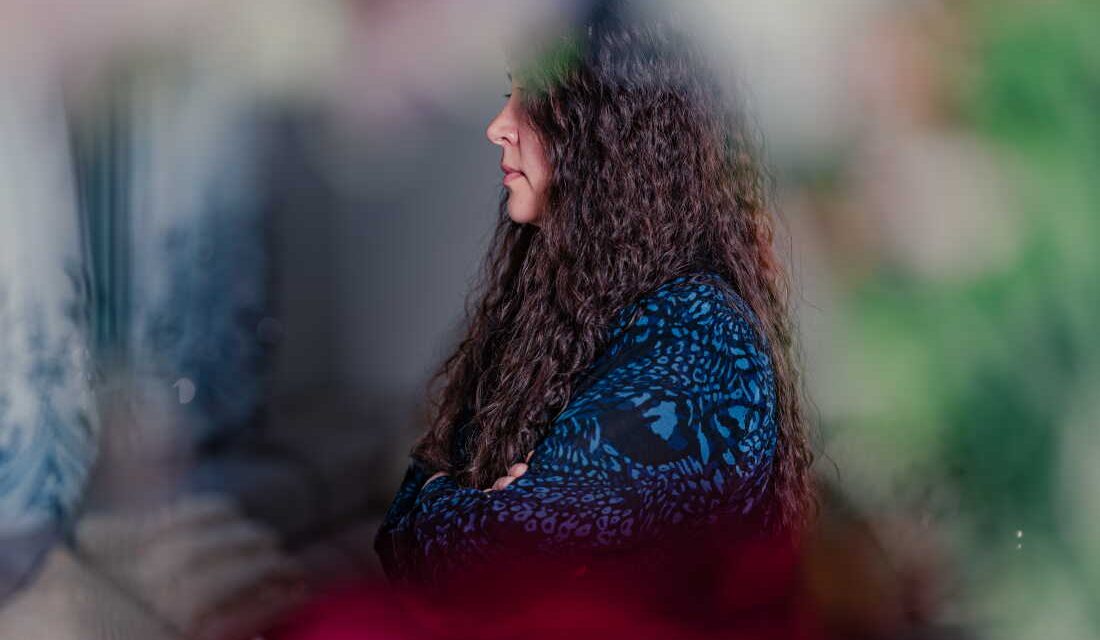
A Community Gathering in Fremont
In Fremont, California, a diverse group of Afghan immigrants gathers every other Thursday. They meet at the Afghan Coalition, a non-profit assisting Afghan immigrants and refugees. Some are U.S. citizens, while others await green cards. These meetings address concerns about staying safe, not from hate groups, but from U.S. immigration enforcement.
Freshte Ahrar, a case worker from the Council on American-Islamic Relations, provides “know-your-rights” training. She explains search warrant procedures and the importance of silence. Ahrar warns, “No one is safe,” highlighting the seriousness of the situation.
Immigration Policies Under Trump
Immigration policies have intensified since Trump returned to office. His administration imposed stricter vetting for immigrants and refugees. An executive order followed by a travel ban affected several countries, including Afghanistan. Furthermore, Temporary Protected Status for Afghans ended, leaving many vulnerable.
The situation worsened after Rahmanullah Lakanwal, a former CIA-backed soldier, was suspected of shooting two National Guard members. This incident led to increased scrutiny and a halt on Afghan immigration requests. Despite federal orders to resume case processing, enforcement actions have increased significantly, causing fear among Afghan immigrants.
Anxiety Among Former Allies
Afghans who supported U.S. operations in Afghanistan feel particularly anxious. The U.S., which once liberated them, now seems untrustworthy to many of them. Ahmad, a former U.S. Embassy worker in Kabul, was forced to start over in 2021. He lives in Concord, California, and works with a local community organization.
Ahmad contributes positively but remains troubled by his immigration status. He waits for lawful permanent residency and fears repercussions. Despite making a home in the U.S., he, too, feels “safe, but not safe.” A DHS spokesperson insists lawful residents have nothing to fear, yet the environment remains tense.
A Mother’s Heartbreak
S. escaped to California in 2021 with her youngest child. Her two other children, ages 14 and 9, remain in Kabul. Her life in the U.S. is overshadowed by separation from them. S. regrets her involvement with the U.S. government, feeling betrayed. She once welcomed American forces, but now struggles to reunite with her children.
Efforts have been made to bring her kids to the U.S., but recent policy changes have obstructed this. The State Department remains non-committal, citing no guarantees for visas. S. waits for her green card, unsure of when she’ll see her children again.
Her resolve remains, though missing critical moments with her children is painful. While the U.S. intervention opened doors for S., it also demanded sacrifices, weighing heavily on her trust in the U.S. government.
 New Hampshire Anglers Reel in Record-Breaking Bluefin Tuna
  Elisha Wiesel Reflects on Jewish Identity and Antisemitism in America
  Lawsuit Challenges Changes to U.S. Immigration Policies
  Israel Marks Anniversary of Hamas Attacks Amid Political Tensions and Ongoing Conflict
  October 7: A Turning Point in Israel-Hamas Conflict
  U.S. Embassy Monitors Reports of Suspected Pneumonic Plague Death in Russia