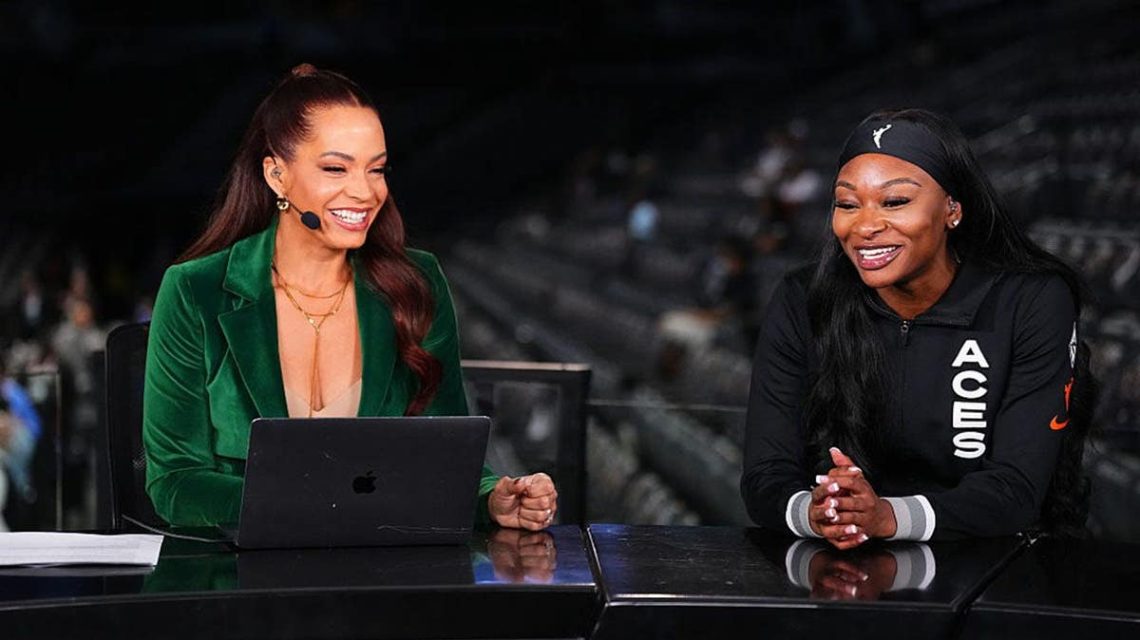
Former ESPN anchor Elle Duncan recently described the conversation around the WNBA as ‘toxic,’ stating that Black women are being targeted.It feels like open season to dunk on Black women because we do not have protection,
Duncan said during a discussion with Front Office Sports. She suggested that Black women are among the most marginalized groups.
Duncan also accused some people of using Caitlin Clark’s popularity to diminish Black and queer women. Duncan claimed,It’s twofold for them—so you get to lift this one person up, and you get to, ultimately, reduce everybody else that isn’t her to nothing.
Duncan did not provide specific examples to support her view of how Black women are treated in the WNBA.
Duncan’s career reflects a level of protection. ESPN hired her post-DUI arrest in 2013. She frequently used her platform at ESPN for personal political expression. In 2020, she reportedly lobbied for Sage Steele’s removal from a social justice special. Duncan interrupted ESPN coverage multiple times to address political issues, including Florida’s “Don’t Say Gay” bill and a Supreme Court decision on abortion policies. Despite her actions, ESPN did not penalize her.
After leaving ESPN, Duncan continued to anchor sports coverage at Netflix. This suggests she has maintained significant privilege and support.
Assertions about Black women lacking protection in the WNBA are questionable. The league, predominantly composed of Black women, has instances where players like A’ja Wilson avoided suspension after confrontational behavior with fans. Similarly, DiJonai Carrington faced no discipline after a violent action against a fellow player.
Media treatment of controversies often affords Black women the benefit of doubt. ESPN’s main WNBA show includes an all-Black female panel, which some criticize for holding different standards based on race.
Duncan’s lament over WNBA coverage toxicity comes as she played a role in politicizing the league’s discourse. As ESPN’s lead WNBA host, she criticized Caitlin Clark for online trolls’ behavior, implying Clark’s responsibility for them. Since joining Netflix, Duncan continued similar narratives.
Duncan suggested Clark’s silence in criticism led to an inflammatory USA Today column that linked Clark to historical racial events. Duncan’s actions imply participation in the discourse dynamics she condemns.
The entry of Caitlin Clark, a straight White woman from Iowa, into the WNBA came with substantial fame, sparking discourse over privilege. Her popularity was framed not as a moment for women’s basketball but as tied to racial privilege, leading to resentment and backlash.
Media figures, including Elle Duncan, have played roles in the ongoing conversation conflicts. There is criticism that they have been more instigators than victims in shaping the toxic discourse.
 Screencaps Column Overview and Updates
 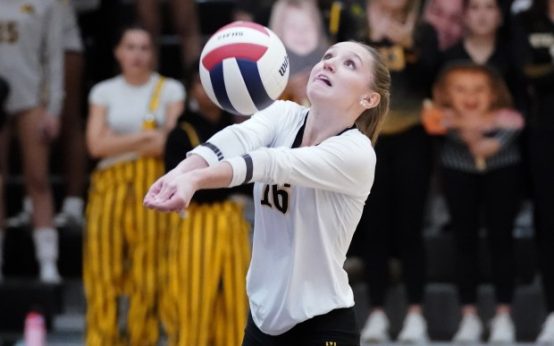 Sienna Bialek Combines Passion for Volleyball and Nursing
  Hilary Swank Announces Pregnancy at 52
 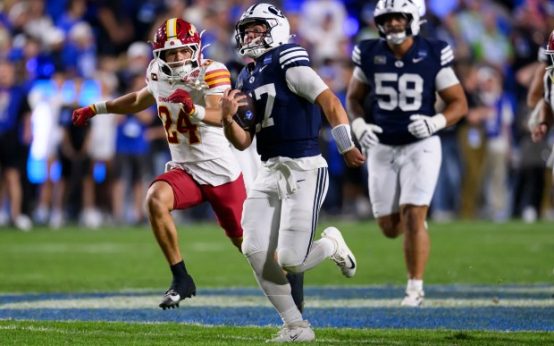 BYU’s Bear Bachmeier Shines in Quarterback Legacy
  Top Sports Bars to Enjoy College Football, Baseball, and European Soccer
  Kristaps Porzingis Addresses Health Rumors Amid Absence