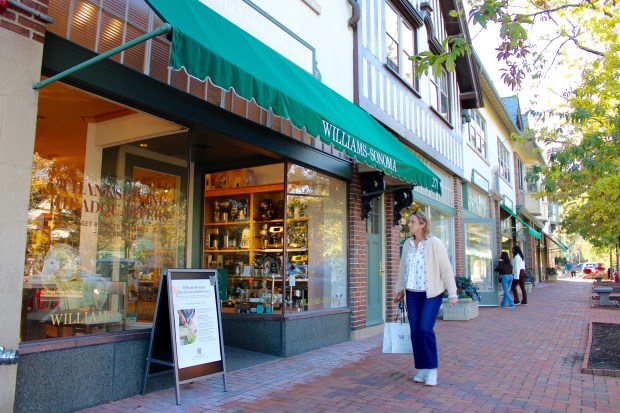
Historic preservation involves more than saving old buildings. It’s about maintaining a community’s cultural character. Recently, the Lake Forest Preservation Symposium took place from October 16 to 18. This three-day event celebrated heritage, design, community, and future preservation.
Organized by The Lake Forest Preservation Foundation and Ragdale, the event marked their joint 50th anniversaries. Jennifer McGregor, executive director of the Lake Forest Preservation Foundation, highlighted the diverse participants. Experts, architects, historians, and community members debated the future role of historic places in American communities.
McGregor stated that while locals admire Lake Forest’s beauty, they rarely consider preservation’s role. Efforts in Lake Forest are carefully monitored, sensitive to development while preserving its character. The symposium featured workshops, panel discussions, architectural tours, and exhibitions, emphasizing how preservation shapes civic identity and design excellence.
Event locations included Ragdale, Lake Forest College, and other historic sites in the area. McGregor noted the purposeful assembly of differing perspectives, such as those of an architect from Notre Dame and a critic from the South Side, creating dynamic debates on themes like Preservation vs. Progress.
Paul Sacaridiz, executive director of the Ragdale Foundation, highlighted preservation’s importance in addressing urban growth and housing needs. He emphasized careful decision-making and reflecting values within the built environment.
Sacaridiz addressed misconceptions of preservation as obstacles rather than opportunities for growth. He encouraged thoughtful preservation that allows spaces to evolve, as demonstrated by Ragdale.
The symposium arrived as communities nationwide face growth and sustainability challenges. McGregor stressed that preservation isn’t simply a past vs. future debate. The event honored past achievements and positioned Lake Forest as a platform for important national dialogues.
Arthur H. Miller, architectural historian, celebrated Lake Forest’s living history. From its innovative street plan to Market Square’s homage to the Burnham plan, Lake Forest’s distinction lies in its community continuity. This was achieved through the stewardship of residents committed to preserving collective identity.
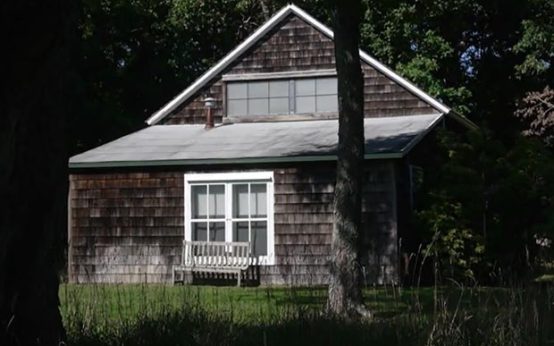 Jackson Pollock and Lee Krasner: Art and Legacy in Springs, N.Y.
 AI’s Growing Influence in Literature
 Bayeux Tapestry Visits England After Almost a Millennium
 Nor’easter Threatens U.S. Coastal Areas Amidst Quiet Hurricane Season
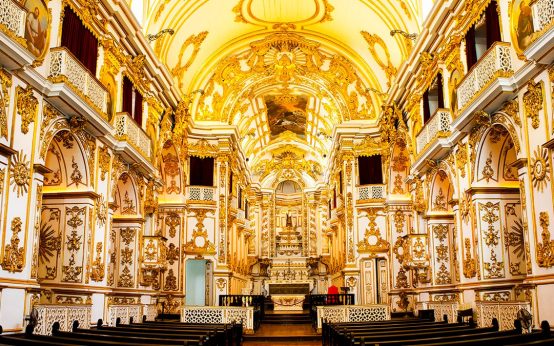 Conor Kennedy and Giulia Be’s Three-Day Wedding Celebration in Rio de Janeiro
 Southern California Faces Santa Ana Winds and Elevated Wildfire Risks