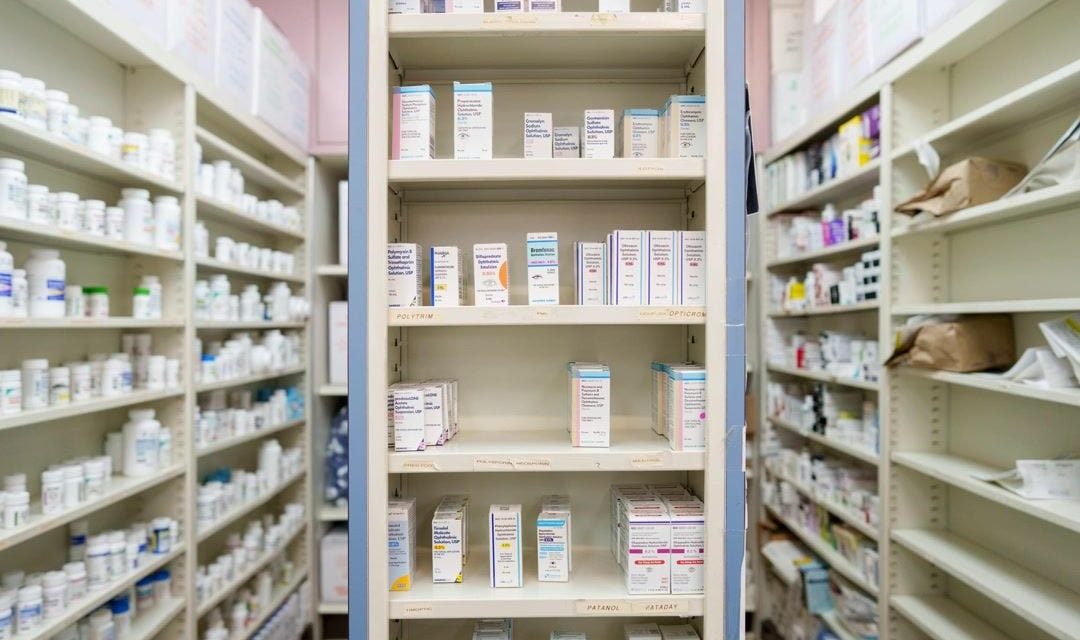
An urgent nationwide recall has been issued for compounded GLP-1 injections manufactured by Apothecary Pharma LLC. This action follows an FDA warning about the pharmacy’s practices that potentially put patients at risk. The recall affects tirzepatide injections, commonly known by their branded forms, Zepbound and Mounjaro. Initially, the recall began on September 24, due to “lack of assurance of sterility.” Recently, the recall status was updated to a “Class II” recall on October 10. This classification signifies the potential for “temporary or medically reversible adverse health consequences,” though the chance of severe harm remains low.
Compounded GLP-1 injections crafted by specialized pharmacies are not FDA-approved branded medications. These injections faced sterility and sanitation issues reminiscent of past controversies involving compounding pharmacies, notably the 2012 fungal meningitis outbreak.
Despite tirzepatide and semaglutide being removed from the official drug shortage list recently, many compounding pharmacies persist in producing them. This has prompted FDA warnings and legal scrutiny. Apothecary Pharma was under the FDA’s radar after receiving a warning letter in December 2025, citing severe sterility practice violations.
Details of the Recalled Injections
The recall affects 22 vials of compounded tirzepatide injections, specifically the 18mg/mL, 4 mL sterile multi-dose vials with various lot numbers and beyond-use dates:
- Lot AP-202622, BUD 07-Oct-2026
- Lot AP-202623, BUD 08-Oct-2026
- Lot AP-202624, BUD 19-Oct-2026
- Lot AP-202625, BUD 20-Oct-2026
- Lot AP-202627, BUD 26-Oct-2026
- Lot AP-202628, BUD 27-Oct-2026
- Lot AP-202629, BUD 28-Oct-2026
- Lot AP-202630, BUD 31-Oct-2026
- Lot AP-202631, BUD 01-Nov-2026
- Lot AP-202632, BUD 03-Nov-2026
- Lot AP-202633, BUD 07-Nov-2026
- Lot AP-202634, BUD 08-Nov-2026
- Lot AP-202635, BUD 16-Nov-2026
- Lot AP-202636, BUD 17-Nov-2026
- Lot AP-202637, BUD 18-Nov-2026
- Lot AP-202638, BUD 19-Nov-2026
- Lot AP-202639, BUD 20-Nov-2026
- Lot AP-202640, BUD 21-Nov-2026
- Lot AP-202641, BUD 22-Nov-2026
- Lot AP-202642, BUD 24-Nov-2026
- Lot AP-202643, BUD 25-Nov-2026
- Lot AP-202644, BUD 26-Nov-2026
Handling Recalled Injections
The FDA and Apothecary have not released specific public guidance on managing affected vials. However, patients with recalled lots are advised to abstain from using them and to consult their prescribers for further instructions.
Understanding Compounding Pharmacies
Compounding pharmacies produce customized medications from raw components, differing from commercial pharmacies that provide mass-produced drugs. These pharmacies are crucial for specific patient needs, such as altering doses or eliminating allergens. They are frequently used in situations like drug shortages where they are temporarily authorized to produce medications in bulk.
The rise of GLP-1 demand has renewed focus on these pharmacies due to ongoing production and telehealth distribution. Despite using FDA-approved ingredients, formulations are not evaluated for safety or effectiveness. They also face less routine regulation, contributing to concerns over sterility and quality.
Patients should ensure their compounding pharmacy’s credibility by consulting resources like the Alliance for Pharmacy Compounding and discussing with their doctor.
 Trump Launches Initiatives for Women’s Health Research
 Meta’s Settlement and AI’s Impact on Youth
 Susie Wiles Shares Her Journey to Becoming Cancer-Free
 Tofu Tops Protein Source Rankings in New Analysis
 Southern California Faces Santa Ana Winds and Elevated Wildfire Risks
 Santa Ana Winds and Wildfire Risks in Southern California