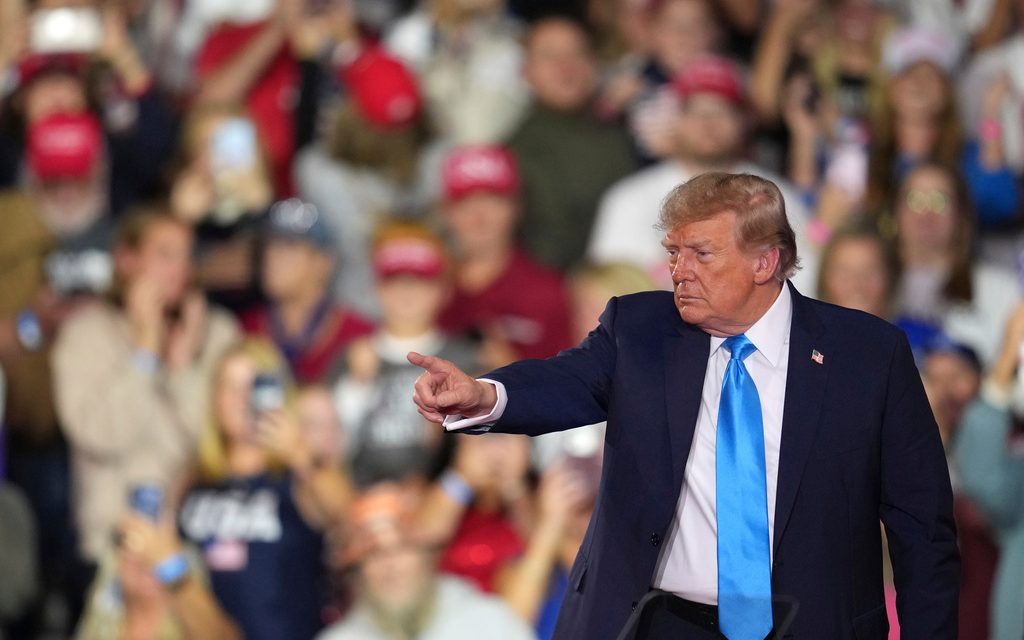
President Donald Trump recently left a rally at Truist Arena, attempting to curb anticipated midterm election losses. His approach includes visiting deeply Republican states as well as battlegrounds. Observers question if these stops aim to boost voter turnout, manage low poll numbers, or create content to show strong support.
Trump’s message remains clear to his base: America is in a golden age, but achieving this requires their sacrifices. He highlights the prosperity of the wealthy while his supporters endure economic hardships. His statements, such as benefitting from high oil prices, underline this disparity.
Data reflect this economic divide. Food banks in West Virginia struggle to meet demand, and diesel costs have surged, impacting farmers and others. Rising gas prices primarily affect red states, deepening the struggles of Trump’s base.
The Republican strategy traditionally plays on voters comparing their situations to others, often blaming minorities or immigrants. Trump promised his base economic improvement while hindering the perceived advantages of others. However, many supporters feel left behind as the affluent thrive.
Historically, no president has openly declared that national success requires personal suffering. Yet Trump’s backers now face this reality, hoping future benefits justify the present challenges. Given current policies and economic tensions, such as tariffs and conflicts, they may wait for improvements.
The question remains whether voters will recognize if they’re not benefiting from this “Golden Age.” Recipients of presidential promises may need to acknowledge an unsustainable con if their lives remain stagnant.
Joslin Joseph, a Harvard and Ohio State graduate and a Marine veteran, has been recognized for his editorial work. He resides in Anaheim, California.
 Letters Highlight Concerns on History, AI Risks, Species, and Genetics
 A Lifeline for Domestic Violence Survivors: Florida’s Hotline Support
 Balancing Financial Responsibilities
 Elon Musk: The Modern-Day Musketeer with Mega Power
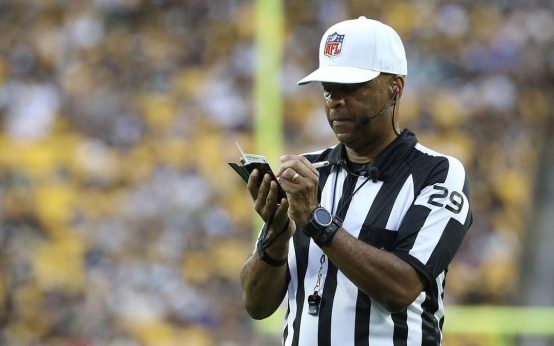 Sean Salisbury Advocates for Accountability in NFL Officiating
 The Ouster of the Ambassador Reveals Trump’s Double Standard on Ethics