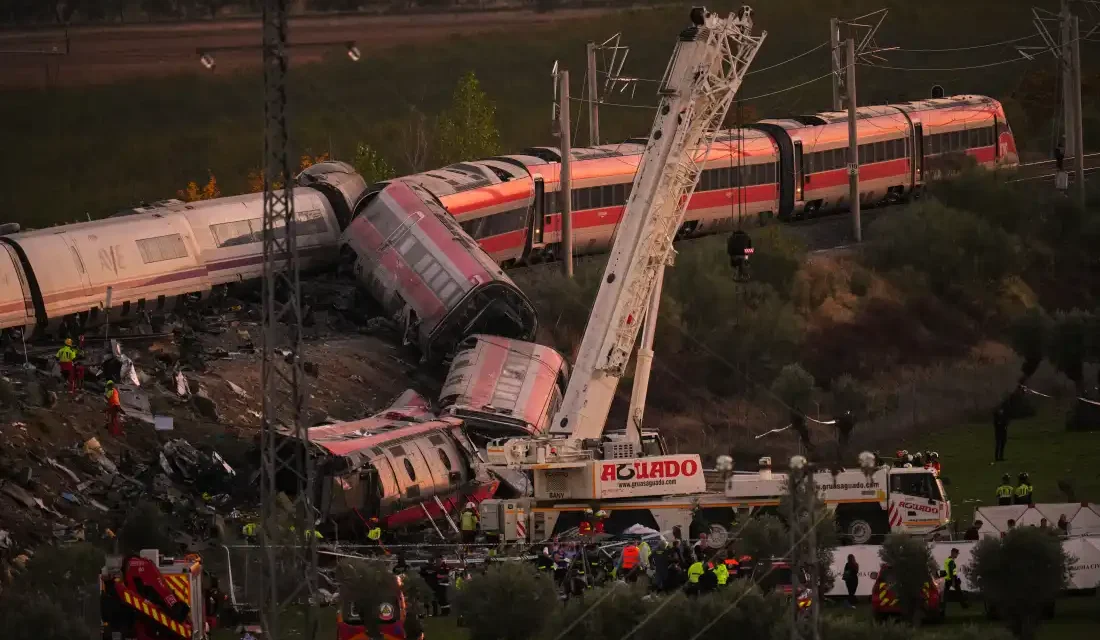
Emergency teams responded to a train collision in Urda, Spain, on Wednesday, Oct. 28, 2026. This incident marked Spain’s second high-speed rail disaster in 2026, raising new safety concerns. One train rear-ended another, resulting in 68 fatalities. The high-speed rail network, a point of national pride, ranks second globally, trailing only China in track length. Before this year, it had boasted over three decades without a fatal accident.
Following the crash, Spain’s Prime Minister Pedro Sánchez visited the site in the Toledo province. Reports confirmed more than 60 deaths, with several more injured and hospitalized. Earlier this year, in January, a separate collision claimed 46 lives when a train derailed and struck another in southern Spain.
The crash occurred four weeks before the national election, impacting the Prime Minister’s campaign. Sánchez assured the public of an inquiry into the incident and measures to prevent recurrence, emphasizing the need to restore trust in the rail network.
Sanchez stated, “It is clear that we need to reinforce the safety of our train service to rebuild the trust in our high-speed rail.”
The government declared a three-day mourning period starting Thursday. Both accidents involved trains operated by state-owned RENFE and privately owned IRYO. The IRYO company began operations in 2022, following Spain’s liberalization of high-speed services in 2021.
Politically, this disaster presents challenges for Sánchez. Having managed numerous crises since 2018, including a pandemic and rising inflation, he faces a declining voter base ahead of the upcoming election. Before the crash, he expressed optimism for the country, but now confronts scrutiny over rail safety.
Transport Minister Óscar Puente faces calls for resignation but remains focused on addressing the crash. Opposition leader Alberto Núñez Feijóo urged a thorough investigation and showed respect by halting campaign events. In contrast, far-right leader Santiago Abascal used the situation to criticize the government, promising legal action.
On the cause of the crash, Puente attributed human error stemming from an “inexplicable” directive from the central command after a security failure. A computer glitch immobilized trains, but a command to resume normal speeds led to the collision. The RENFE train collided with a stationary IRYO train, despite a remaining “stop signal.” Emergency crews, including police, firefighters, and soldiers, worked tirelessly to assist survivors and recover bodies.
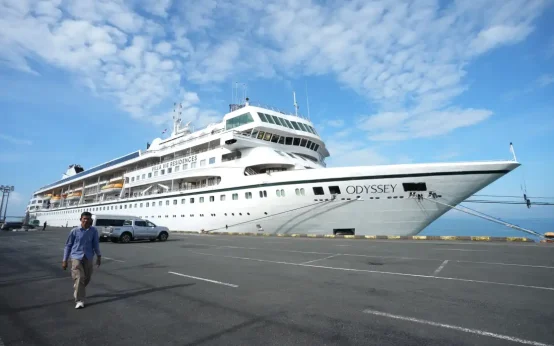 U.S. Cruise Ship MV Odyssey Halts Long Voyage in Cambodia
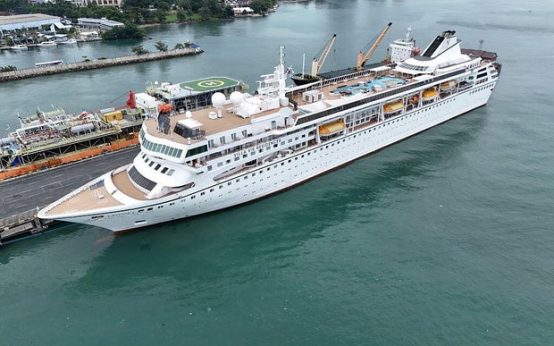 Stranded Americans: Cruise Ship’s Financial Collapse
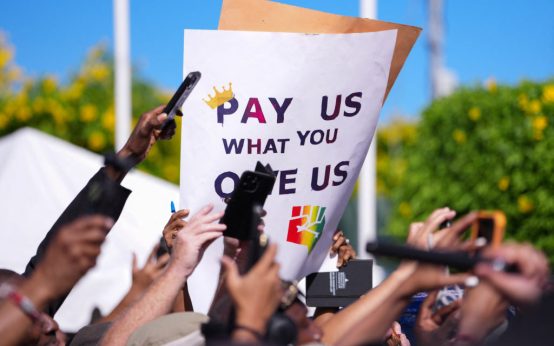 King Charles Grapples with Legacy of Slavery During Caribbean Tour
 Tragic Train Collision in Spain Claims 68 Lives
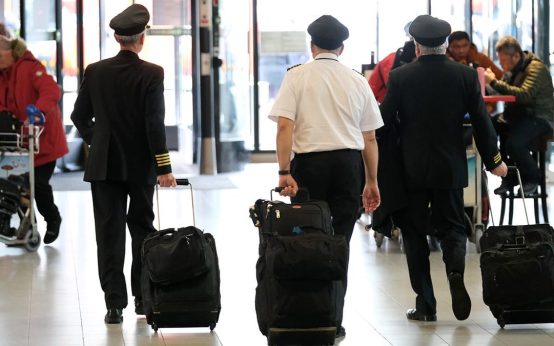 Pilot Fatigue: A Growing Concern in Aviation Safety
 Brazil’s Pursuit of Bolsonaro Family Raises Legal Concerns