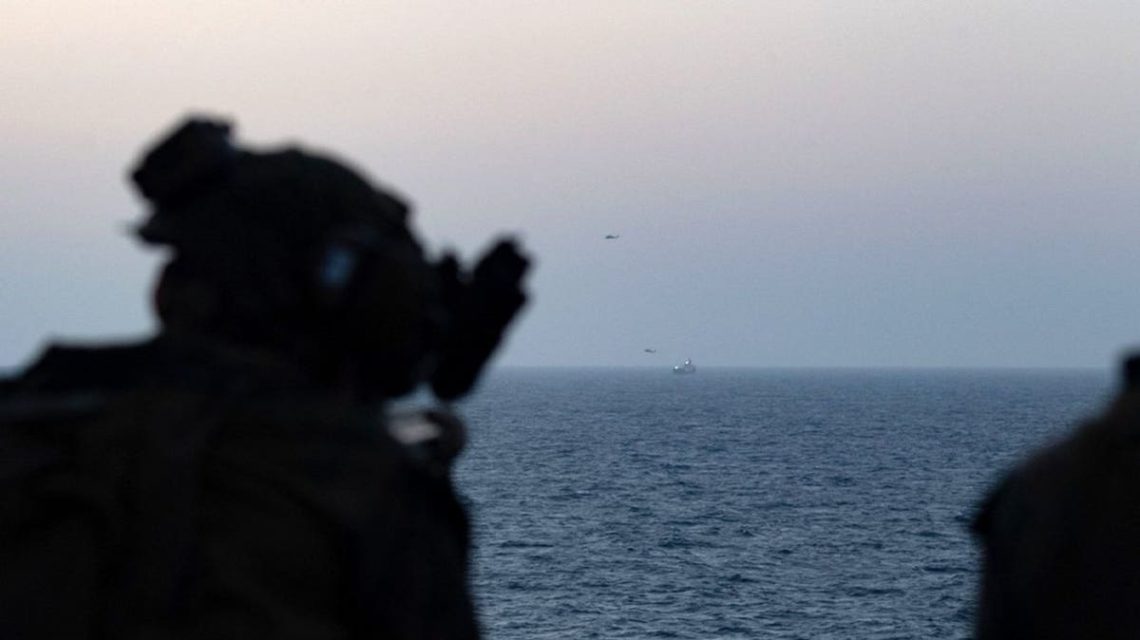
Recent investigations have revealed that small Iranian tankers are eluding the U.S. naval blockade, smuggling liquefied petroleum gas (LPG) to China through Malaysia. A group called United Against Nuclear Iran (UANI) disclosed their findings after tracking one such vessel in September.
UANI reported that at least nine tankers have successfully bypassed U.S. restrictions. One of these tankers, termed SOGL, allegedly broke through the blockade on September 1, carrying around 500,000 barrels of Iranian LPG. The ship was filmed arriving at a Malaysian offshore anchorage before heading to China to offload its cargo.
Operations at Malaysian Anchorage
The Malaysian Eastern Outer Port Limits Anchorage (EOPL) has become a critical hub for Iran’s energy trade. It allows vessels to wait offshore, receive supplies, and transfer cargo, all while avoiding closer U.S. naval patrols.
Jemima Shelley, a senior analyst at UANI, noted that the U.S. blockade has generally succeeded in preventing large shipments of Iranian crude oil. However, smaller tanker operations, like the SOGL, manage to slip through by employing tactics such as turning off their Automatic Identification System (AIS) transponders or flying false flags.
LPG and Security Risks
LPG, a mixture of propane and butane, poses significant risks when shipped. The U.S. typically tries to intercept such vessels but occasionally resorts to military actions. This proves more challenging with volatile cargoes like LPG.
Smaller tankers often exploit these challenges to conduct ship-to-ship transfers, further complicating enforcement.
Economic Impact
The blockade reinstated in July has largely stopped Iran from exporting crude oil, cutting a crucial revenue stream. Despite this, opportunistic small tankers and Iran’s arrangements with China provide some economic relief.
China remains a dominant destination for Iranian exports, importing nearly all of Iran’s liquid cargo. This relationship offers Tehran an outlet to circumvent U.S. sanctions.
Future Concerns
With the continued use of EOPL for clandestine transfers, Malaysia plays a pivotal role in Iran’s sanctioned energy trade. Videos shared by UANI illustrate ongoing activities, with Malaysian authorities appearing to overlook these operations.
China’s growing involvement in Iranian oil and LPG purchases underscores the geopolitical complexities faced by enforcement entities. The U.S. must navigate these challenges carefully to maintain pressure on Iran’s energy sector.
 Hacking Incident Causes False Alerts in Ukraine’s Air-Raid App
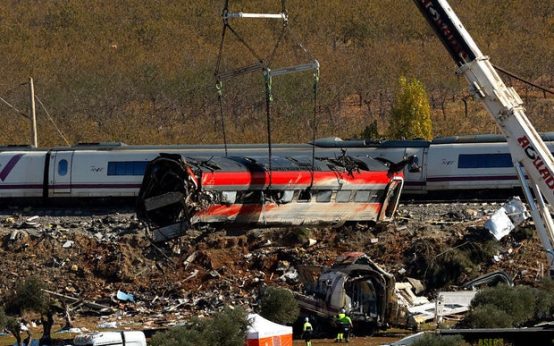 Fatal Train Collision in Spain Claims Lives, Including U.S. Citizens
 Controversy Over Michael Che’s SNL Joke on Israeli Elections
 U.S. Ambassador Issues Security Warning and Details UN Confrontation
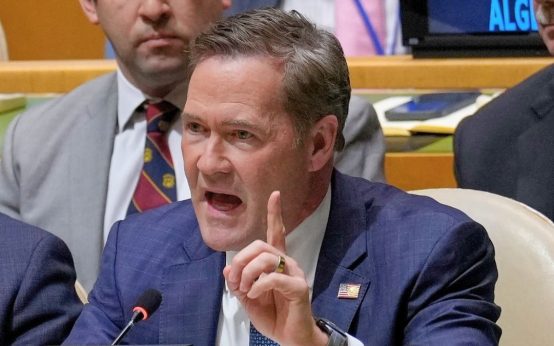 U.S. Ambassador Confronts Cuban Officials at U.N.
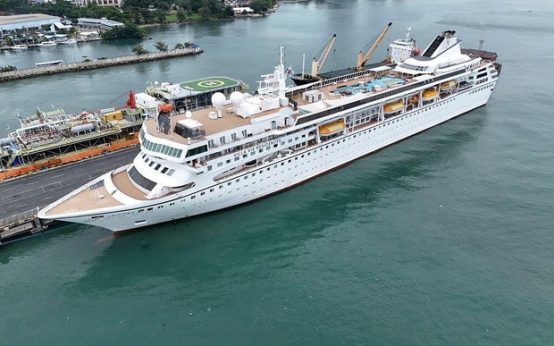 Villa Vie Odyssey Cruise Ship Faces Financial Turmoil