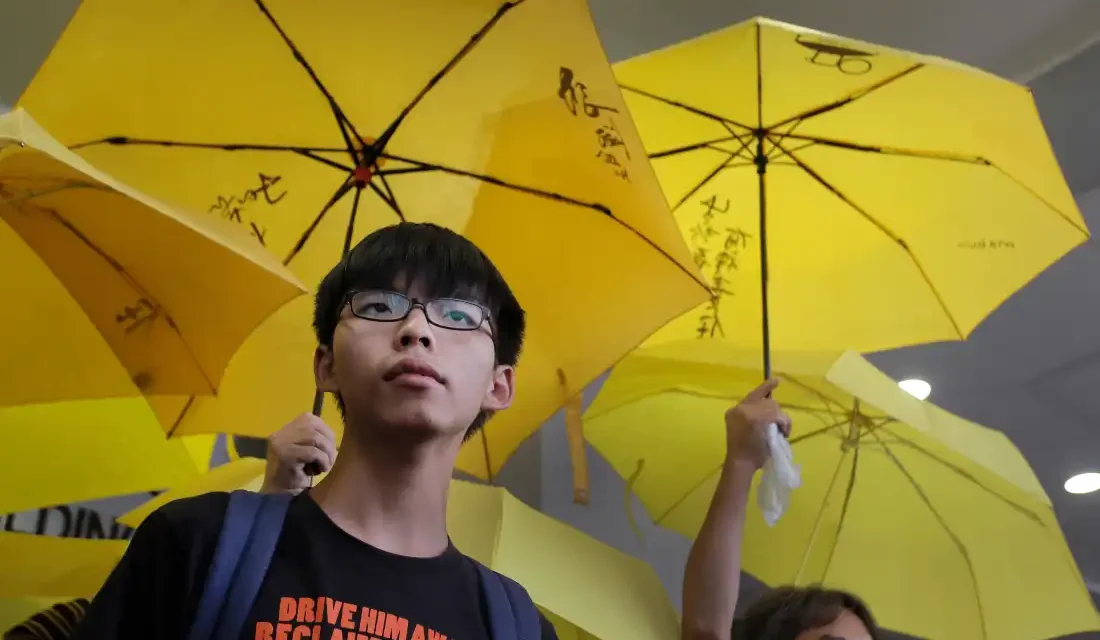
Joshua Wong, a prominent activist from Hong Kong, received a 10-year prison sentence on Thursday. This marked his second conviction under the national security law set by Beijing. Critics argue this demonstrates an ongoing suppression of the city’s pro-democracy movement.
Originally charged in 2025 for conspiracy to collude with foreign forces, Wong’s guilty plea potentially reduced his sentence. Currently 30, he is also serving a previous sentence of four years and eight months for his involvement in a significant national security case related to an unofficial primary election.
Judge William Tam, during sentencing, highlighted the seriousness of Wong’s offense. Although a 13-year sentence was considered, it was lessened in response to his plea. Wong, appearing calm, expressed gratitude to supporters while departing the court. Tiffany Chin, a former member of the disbanded Scholarism group led by Wong, was visibly emotional.
Wong’s sentences are to run concurrently. He has two months remaining on his current sentence.
Local resident ET Wong praised Joshua, citing his maturity and dedication to Hong Kong’s future, especially regarding human rights and student activism. ET Wong expressed that wrongful imprisonment was unfair for him.
Impact on Hong Kong’s Civic Society
Once known for vibrant protests and media, Hong Kong’s civil society has transformed. The crackdown after the 2019 anti-government protests reduced electoral freedoms and led to activist arrests. News outlets critical of the government closed, with civil society groups dissolving.
Observers believe Wong’s sentence reflects the authorities’ intent to dampen civic activism. Eric Lai, from Georgetown Center for Asian Law, observed that charges under the national security law still serve as tools to extend political imprisonment as deemed necessary by the government.
The Chinese government perceives Wong as a proponent of Hong Kong independence, challenging its authority. To them, the national security law is essential for stability post-2019 protests, with law enforcement actions deemed justified.
Wong’s Advocacy and Allegations
Prosecutors presented Wong’s international lobbying when advocating for democratic self-determination. Meetings with U.S. politicians like Nancy Pelosi and Marco Rubio were cited as parts of his campaign to impose sanctions on Hong Kong and China.
Even after the law’s introduction, accounts claim Wong supported advocacy efforts internationally via media and social platforms to highlight and encourage sanctions against China and Hong Kong.
Derek Chan, Wong’s lawyer, requested a hopeful sentence, noting Wong’s desire to care for his aging parents post-release. Friends highlighted Wong’s resilience, mentioning his reading and self-learning activities during imprisonment.
Regarded as a political luminary for Hong Kong’s post-colonial generation, Wong’s influence worries pro-Beijing supporters. A 2017 Netflix documentary about him drew criticism from pro-Beijing media for “beautifying” his acts, even though it became very popular on the platform.
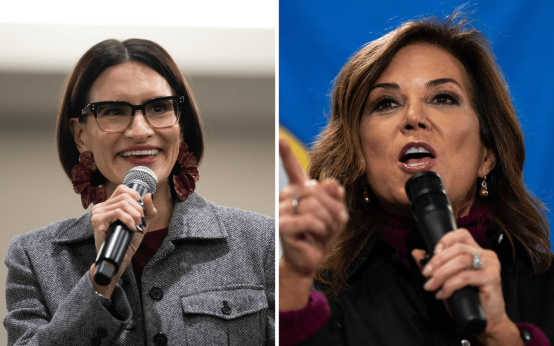 Factors Influencing Tafoya’s Senate Race Loss in Minnesota
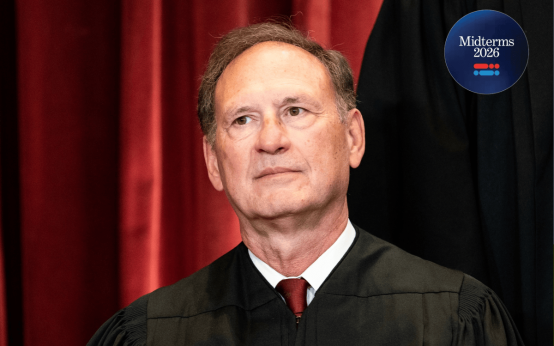 Democrats Gain Senate Majority: Impact on Trump’s Supreme Court Nominations
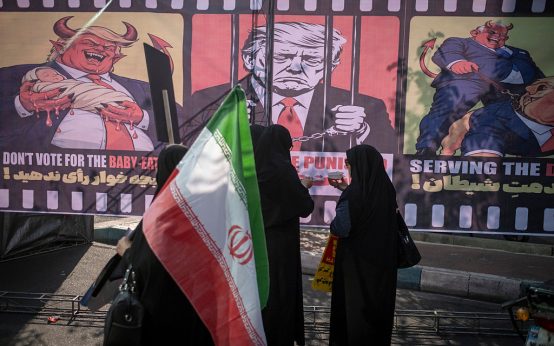 Pro-Government Rally in Tehran Marks Embassy Takeover Anniversary
 Democrats Urged to Restore Checks and Balances in U.S. Politics
 Political Shifts Pose Challenges for Vance and Rubio in 2028
 Comedians React to Trump’s Response After Midterm Elections