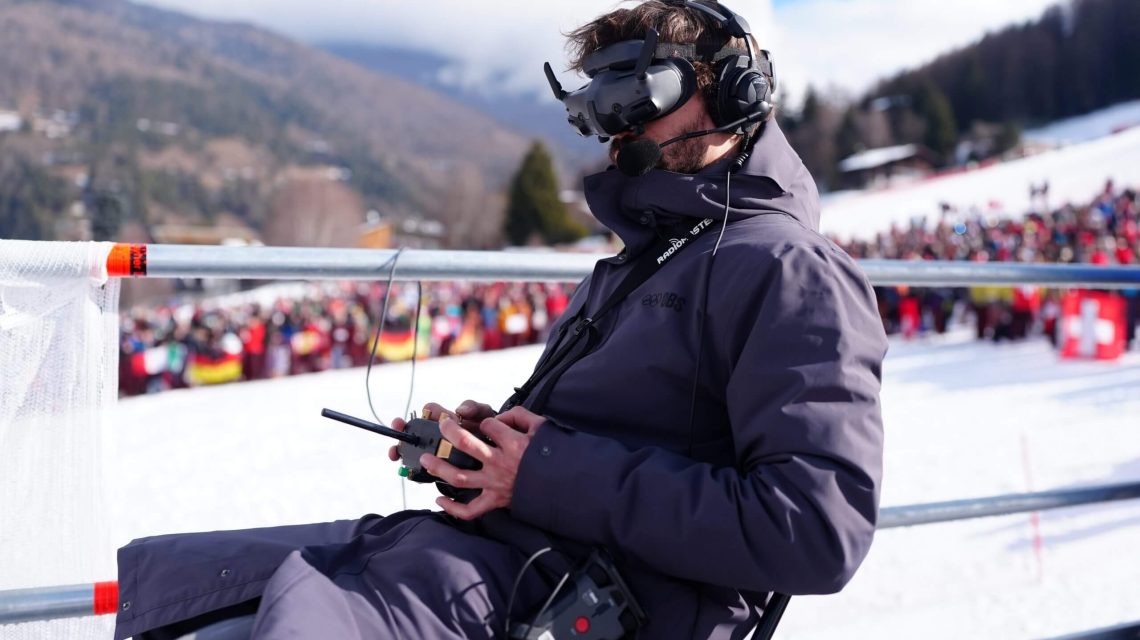
The 2026 Milan Cortina Olympics have introduced a fascinating new way to experience the excitement of winter sports through the innovative use of first-person view (FPV) drones. These tiny cameras, buzzing around the mountainous landscapes of Cortina d’Ampezzo, Livigno, and Val di Fiemme, are offering a fresh perspective that immerses audiences in the thrilling chaos of the events.
FPV drones are delivering exhilarating close-up angles from sports that have always felt distant to the audience. Ever wanted to know what it feels like to spin high in the air or zoom down an icy track at breathtaking speeds? These drones bring these heart-pounding experiences right to your living room, although the motion might be too much for those prone to dizziness.
“I was watching luge the other day, and I was like, this is slightly nauseating,” laughed U.S. bobsled pilot Elana Meyers Taylor. “But it’s a new and interesting aspect of viewing.”
Debuting in the Sochi Games of 2014, drones have since become a staple in Olympic broadcasts, offering progressively better angles and coverage. At the Milan Cortina Games, 15 FPV drones and 10 traditional drones are capturing the excitement, along with around 800 total cameras aiming to showcase every exhilarating moment. Yiannis Exarchos, CEO of Olympic Broadcasting Services (OBS), emphasized that these drones help demystify some of the more unconventional sports for those who primarily watch during the Olympics.
“We have a very short period of time to make sports understandable and attractive,” Exarchos commented. “Drones offer an engaging entry point, particularly for younger audiences.”
Enhanced Viewing Experience
The sophisticated FPV drones, crafted specifically for these Games, are light and nimble, weighing under nine ounces. Their racing capabilities provide an exciting new depth to the sports, a sentiment echoed by NBC’s Leigh Diffey, who praised the added dimension these drones bring to broadcasts.
“It’s been a revelation for the coverage, adding a whole new level of detail to our understanding,” Diffey stated.
Viewers seem enthralled by what Diffey has termed the “House of Speed”, where drones race down the icy tracks alongside sleds to deliver spectacular footage.
Crafted by Experts, Piloted by Professionals
To ensure engaging yet safe broadcasts, OBS has partnered with companies like Dutch Drone Gods. Known for their high-speed endeavors, they’ve equipped an expert team, including co-founder Ralph Hogenbirk, to pilot these advanced drones.
Bobsledder Kaillie Humphries noted the initial apprehension among athletes during early drone trials, a sentiment that shifted to appreciation upon witnessing the skill and professionalism behind their operation.
“Once we saw the expert handling, it was very reassuring,” Humphries said. “It’s important that spectators get an authentic look at the sport.”
Drone Use Across Events
While FPV drones are utilized across a variety of sports, they’re less applicable to indoor events like figure skating and curling, where traditional angles work best. Yet, these drones are leaving a lasting impression on speed-skating and ski-jumping events, gently trailing athletes to offer unparalleled views.
The drone operators—experts trained extensively—are positioned strategically to maintain line of sight with athletes. Each operation includes a team of a pilot, a director, and a technician, ensuring precision and safety, vital aspects for the demanding environments these drones navigate.
Mixed Reactions from Athletes
Despite the technological marvel, not all athletes are thrilled. Snowboarder Bea Kim mentioned that at times, drones feel too close, prompting slight concerns among athletes. However, Kim recognized that with careful placement, drones could coexist with competitors without distracting them.
IOC sports director Pierre Ducrey regards this as part of the “evolution” in broadcasting technology. While acknowledging some noise concerns, he emphasizes the focus remains on ensuring athletes can perform undisturbed.
Ultimately, the drones aim to attract a wider audience to sports, traditionally struggling to gain traction outside the Olympic spotlight. The intimate perspectives they offer might not replicate the adrenaline of being there in person, but it certainly brings audiences a step closer.
“There’s nothing like seeing a bobsled in action live,” American pilot Kris Horn remarked, “but the drones come pretty close.”
 Trump Highlights Ravens During Industrial Site Visit
  A Day with Screencaps: Sports, Pop Culture, and Reader Stories
 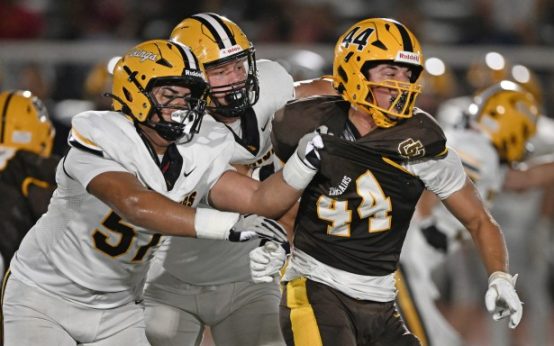 Carmel Defensive End Kristian Chadick Gains Attention
  Riley Wilson’s Journey from Freshman B Team to Varsity Star
  Sara Gilio’s Rising Journey with Oswego Panthers
  Jimmy Kelly: Oak Forest’s Skilled Playmaker