
Former Trump envoy Morgan Ortagus shared concerns that Iran may use ongoing nuclear negotiations to delay actions, as President Donald Trump paused planned military strikes. Speaking to Fox News Digital after a Middle East Forum in Washington, Ortagus highlighted Iran’s historical tactic of drawing out talks to relieve pressure.
“It’s the regime’s strategy to stall and buy time,” Ortagus noted regarding Iran’s approach. She advised the president to avoid falling for Iran’s delay tactics, which are designed to stretch negotiations.
The Trump administration recently put a temporary hold on military plans and extended negotiations with Iran, influenced by requests from Gulf allies who seek more time for diplomacy. Meanwhile, the U.S. continues to pressure Iran about its nuclear ambitions and their regional influence.
Ortagus emphasized that the current U.S. administration has more leverage over Iran than previous ones. After withdrawing from the Joint Comprehensive Plan of Action (JCPOA) in 2018, which Trump called ineffective, the administration strengthened its negotiating position.
“I’m always hopeful in President Trump’s ability to give his negotiating team leverage,” Ortagus stated.
Iran has insisted that it has a right to a civilian nuclear program, but Western countries and the International Atomic Energy Agency have expressed concerns about Tehran’s uranium enrichment and transparency.
Ortagus maintains that Trump’s handling of Iran, which includes both diplomatic and potential military actions, is distinct from past prolonged Middle Eastern conflicts. She sees the current situation as requiring a measured approach, combining negotiations with readiness to act if needed.
Within the Republican Party, there is an ongoing debate on the U.S.’s stance toward Iran and its allies in the region. According to Ortagus, open discussions are healthy as the party decides how assertively to confront Iranian influence.
In addition to Iran issues, the U.S. is involved in efforts to stabilize the Israel-Lebanon border, where Hezbollah remains a significant concern. Ortagus pointed out that Hezbollah, as an Iranian proxy, complicates Lebanon’s situation and disrupts potential stability between Lebanon and Israel.
Ortagus argues that reducing Hezbollah’s influence could lead to a more stable relationship between Israel and Lebanon. Both countries share an interest in avoiding wider conflict, though Hezbollah’s actions often destabilize efforts for peace.
 Federal Appeals Court Decision Against Trump’s ‘Third-Country’ Deportation Policy
  Ed Sheeran’s Philadelphia Concert Amid Controversy
 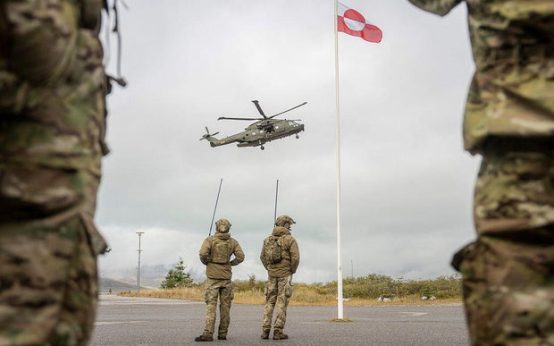 U.S. Secures Strategic Control Over Greenland
  U.S. Security Agreement in Greenland Sparks Optimism and Concerns
  Impact of Gender-Based Violence in South Africa
 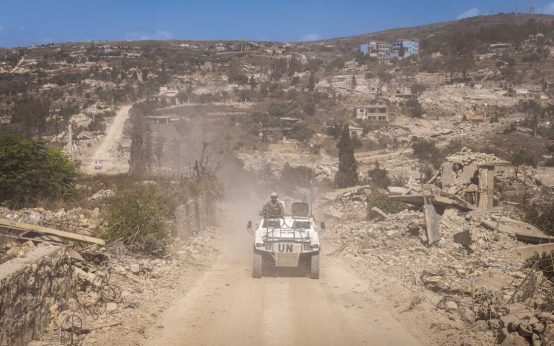 UNIFIL Operations in Southern Lebanon Amidst Ceasefire Challenges