
A recent report by the Government Accountability Office (GAO) reveals significant cybersecurity shortcomings in major civilian agencies. Of 22 agencies assessed, 17 failed to meet key cybersecurity planning standards, which may leave government systems open to cyberattacks and operational issues.
Findings from the GAO Report
The GAO evaluated whether these agencies had effectively integrated federal guidance for implementing zero trust architecture. This approach emphasizes verifying all users, devices, and systems before allowing access to secure networks. The report highlights gaps at several departments, including Homeland Security, Justice, State, Treasury, and Health and Human Services (HHS).
Only five agencies met the required standards by August 2026. Consequently, the GAO issued 40 recommendations to the non-compliant agencies.
“Agencies are at increased risk of cyberattacks that could disrupt operations,” GAO warned.
Specific Agency Insights
HHS received six recommendations due to the absence of a documented enterprise-wide zero trust plan for its information systems. While individual divisions within HHS were progressing with cybersecurity measures, the lack of a unified strategy hindered comprehensive oversight. HHS agreed to devise a department-wide strategy by fiscal year 2027.
The Department of Commerce faced similar issues with documentation, receiving four recommendations. Staff losses hampered their zero trust working group’s ability to coordinate improvements.
At DHS, the incomplete documentation of cybersecurity maturity across high-value assets was partly attributed to recent government shutdowns. DOJ and other agencies, such as State and Treasury, also cited resource constraints impacting their assessments.
Concerns About Procedure Documentation
Eleven agencies had only partially documented procedures for identifying user and system actors within IT environments. This lack of comprehensive identification procedures poses a potential risk for unauthorized access.
The GAO’s report follows a series of executive orders by the Biden administration aimed at enhancing cybersecurity through zero trust principles. Yet, as of August 2026, substantial compliance gaps remain.
Responses to Recommendations
Thirteen agencies concurred with the recommendations, while four did not issue a formal position. The Nuclear Regulatory Commission, one of these four, provided evidence of compliance, which GAO validated.
The full implementation of zero trust architecture is essential for ensuring robust cybersecurity across federal agencies. Without adherence to these guidelines, agencies risk lacking a clear strategy for effective cyber defense.
Report by Jasmine Baehr for Fox News Digital, specializing in politics and cultural coverage.
 Lego Fortnite Supply Llama: A Tween’s Dream Gift with Huge Savings
 Jensen Huang’s Controversy Highlights Challenges for Corporate America
 FBI’s Crime Database Faces Hacking Threat
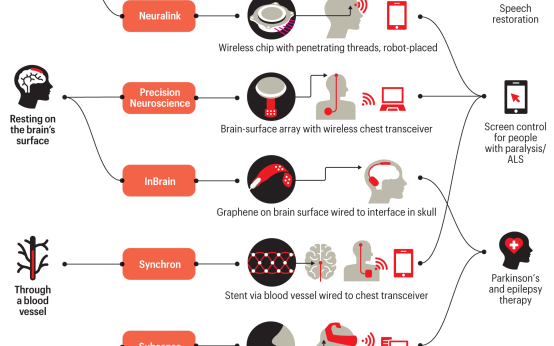 Neuralink’s Impact on Brain-Computer Interfaces
 AI Companies Pioneering Workforce Transformation
 AI Claims Breakthrough in Solving the Riemann Hypothesis