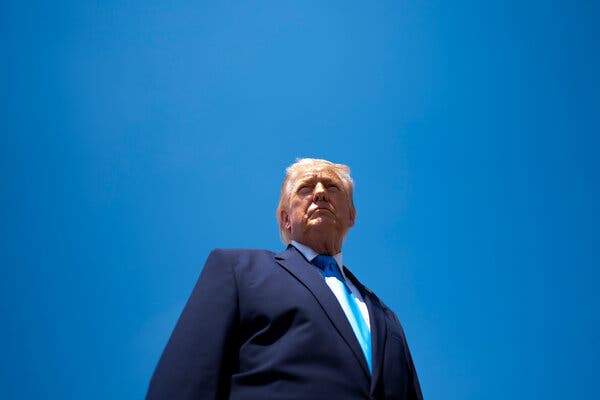
President Trump has utilized the federal government to benefit his personal and familial interests, as well as those of his allies, more openly than any previous president. His actions display a clear departure from the conduct of his predecessors. This is especially evident as he proceeds further into his second term.
One significant act involves the settlement of a lawsuit against the government he leads by preventing the Internal Revenue Service (IRS) from auditing his past tax returns. Part of this settlement includes awarding $1.8 billion of taxpayer money to his allies.
Historically, no president has engaged in such bold self-serving actions. President Trump appears less restricted by both written and unwritten rules that guided past leaders. Despite being unpopular with the general public, he maintains strong control over his party, which may enable him to act without fear of congressional opposition.
Trump’s decision to grant himself immunity from IRS audits is particularly striking. This maneuver could potentially save him over $100 million based on historical assessments of what his liability might have been under unfavorable IRS outcomes. Such an action is akin to pardoning himself from previous offenses, nullifying any tax debts or penalties he might face.
Beyond audit immunity, another contentious decision involves providing taxpayer funds to supporters, including those who participated in the Jan. 6, 2021, Capitol attack. These actions underscore his governance approach six years into office.
 Trump Delivers Warning to Iran, Cuba at UN General Assembly
  Trump Delivers Stern UN Speech on Iran, AI, and Global Security
  Lukashenko and Putin’s Unique Relationship and Belarus’ Strategic Role
 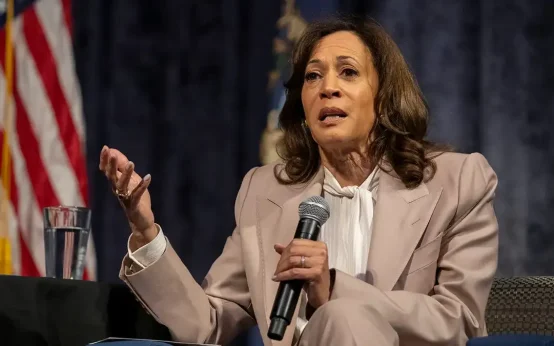 Harris Discusses Potential 2028 Presidential Run
  Far-Left Groups Allegedly Organize Protests in Austin
 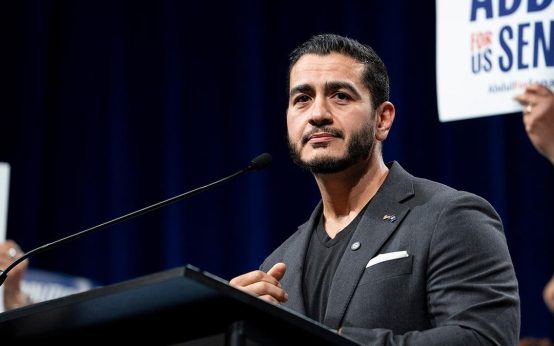 Michigan Senate Nominee Abdul El-Sayed Criticized for Remarks on Reproductive Rights