
Keir Starmer’s Struggle for Political Stability
Keir Starmer, the Labour Party’s first prime minister in 14 years, confronts significant hurdles in Britain’s shifting political environment. Mainstream parties face challenges, as citizens increasingly turn to more extreme political voices.
Historical Context
Britain, traditionally known for its robust democracy, is undergoing rapid political changes. A decade since the decisive referendum to exit the European Union, the political landscape has dramatically altered. Previously, Britain was revered as the model for parliamentary governance, often characterized by its enduring stability.
Economic and Political Turbulence
Recent years have seen Britain’s political scene likened to a chaotic performance. The departure from the European Union instigated economic stagnation, prompting a succession of prime ministers over the past ten years. These leaders grapple with reviving the economy while addressing voter dissatisfactions.
Starmer’s tenure reflects these turbulent times. He endeavors to contend with economic challenges and diminished voter morale. The growing appeal of fringe parties exacerbates mainstream political difficulties. Starmer’s leadership is pivotal in ensuring the Labour Party remains a central and stabilizing force in Britain’s political fabric.
 Fiery Student Protests at Florida International University: Immigration Policy Sparks Debate
  Democrats Urged to Address AI Regulation Amid Trump’s Position
  JD Vance’s Mother Responds to Critics; Bob Brooks Resolves Debt Issue
  Voter Fraud and Border Protection Initiatives Detailed
  Former Roanoke Swimmer Criticizes Virginia’s Policy Shift on Transgender Athletes
 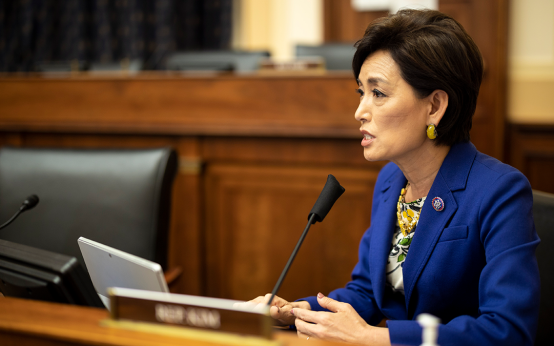 Rep. Young Kim Targets Congressional Self-Enrichment with New Resolution