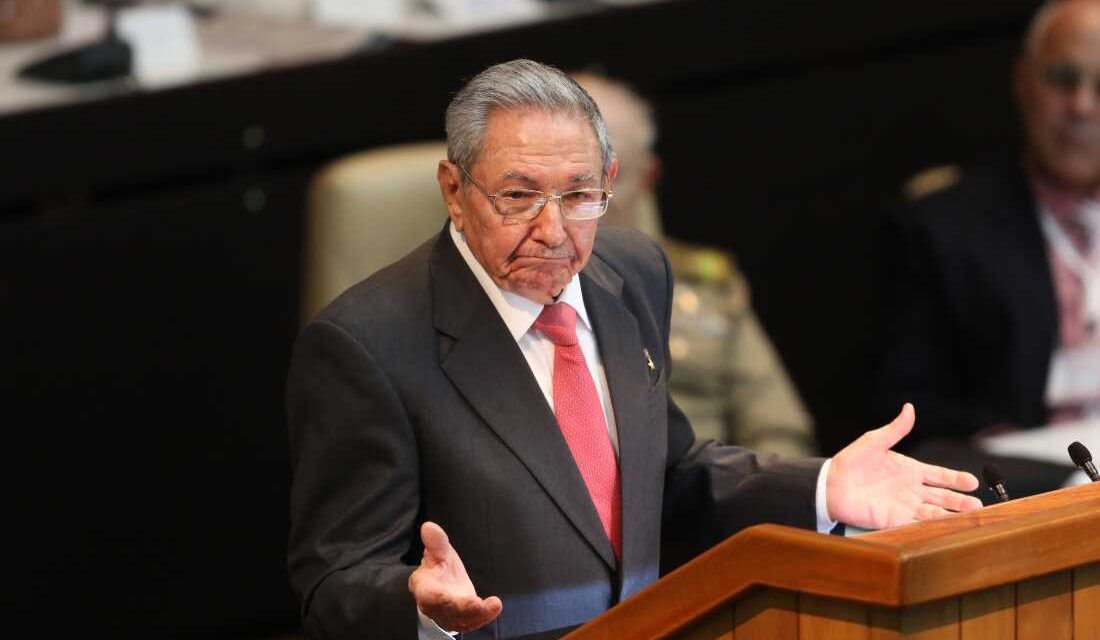
The U.S. Department of Justice has indicted Raul Castro, the former president of Cuba, in connection with a violent incident dated more than three decades ago. Charges faced by Castro and several former Cuban officials include conspiracy to murder U.S. nationals, destruction of aircraft, and four counts of murder. The indictment was announced by Acting Attorney General Todd Blanche at Miami’s Freedom Tower, a site commemorating Cuban refugees.
Background of the Incident
In 1996, fighter jets of the Cuban military shot down two planes operated by Brothers to the Rescue, an anti-Castro activist group. This attack resulted in the deaths of four individuals, three of whom were U.S. citizens. Brothers to the Rescue routinely flew missions from Florida in search of Cuban migrants trying to escape to the United States on rafts.
Raul Castro, along with several others, is accused of orchestrating the shootdown, as per the U.S. indictment. Aircraft pilot Lorenzo Alberto Perez-Perez is alleged as the individual who engaged the planes. This event prompted Cuban-American anger and led to the formal enactment of the U.S. embargo against Cuba, establishing ongoing sanctions.
Cuban and U.S. Responses
Cuban President Miguel Díaz-Canel criticized the indictment, labeling it politically motivated and without legal basis. He referred to Brothers to the Rescue as a group of narco-terrorists and stated Cuba acted in self-defense, asserting the planes violated Cuban airspace.
Despite these assertions, the International Civil Aviation Organization maintained that the planes were shot down in international airspace. An arrest warrant for Castro exists, yet specifics about extradition efforts remain unclear according to Blanche, hinting Castro may face U.S. justice willingly or otherwise.
Diplomatic Implications
The indictment coincides with potential talks between the U.S. and Cuba. The CIA’s John Ratcliffe engaged in discussions with Cuban officials, including Castro’s grandson. These discussions covered intelligence cooperation and economic stability. The meeting marked a high-level diplomatic engagement since U.S. measures intensified Cuba’s economic hardships, contributing to power outages and resource shortages.
Additional Indictment Details
On February 24, 1996, execution orders allegedly came from Raul and Fidel Castro to target Brothers to the Rescue planes. The Cuban military, prepared through training missions, followed the planes over Cuban airspace and intercepted two planes with deadly force. Details from spies inside Miami’s Brothers to the Rescue purportedly aided in this effort.
The incident persisted as a point of demand for justice by victims’ families. Despite previous indictments levied against Cuban pilots, the Castros had not faced charges directly.
Raul Castro presided over Cuba from 2008 until 2018, succeeding his brother Fidel. Although retired from the Communist Party’s leadership, Raul remains influential in Cuban politics.
 Former CEO Sentenced for Bank Fraud and Sanctions Evasion
 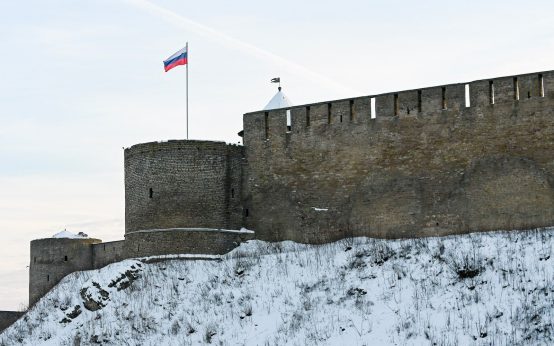 Russia’s Potential Incursion Into Estonia: NATO’s Resilience Under Scrutiny
  Senators Urge Action to Free Imprisoned Journalist in Iran
 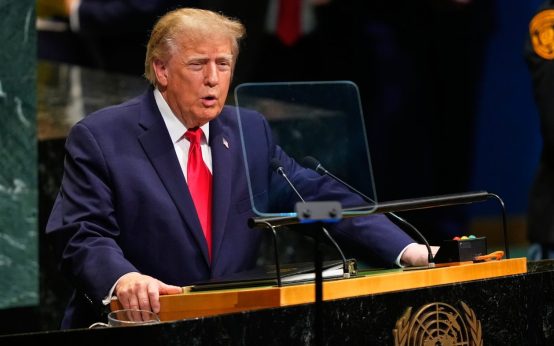 Trump’s Address at UNGA and Key Political Developments
  Irish Athletes Urge Boycott Against Israel
  U.S.-China Summit and the Taiwan Dilemma