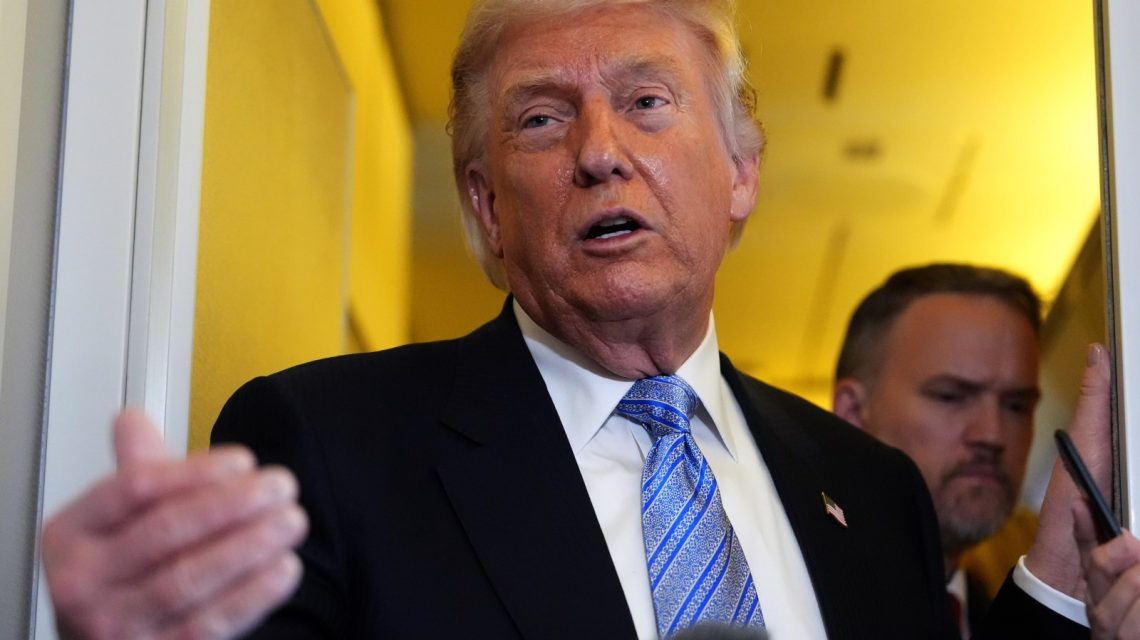
President Donald Trump has issued a new executive order focused on enhancing financial due diligence for banks. The initiative encourages banks to strengthen their ‘know your customer’ procedures by delving deeper into clients’ backgrounds, with a particular focus on immigration status.
The order, named Restoring Integrity to America’s Financial System, highlights risks linked to extending financial services to undocumented immigrants. It directs regulators to provide guidance to banks on curbing unlawful financial activities. Although it stops short of mandating citizenship checks, it imposes new regulatory pressures that may impact banks and their customers.
Significance of the Order
The White House claims that the move addresses national security and public safety concerns by targeting illicit cross-border financial transactions. It also addresses risks associated with lending to individuals who might face deportation under strict immigration policies.
However, some analysts caution that increased scrutiny of noncitizens’ finances might reduce tax revenue. The Yale Budget Lab predicts significant tax losses, estimating a $479 billion decline over the next decade.
Recommendations for Banks
The Treasury had been considering a directive for banks to gather citizenship information from customers. Treasury Secretary Scott Bessent mentioned in April that this plan was in progress. He emphasized the importance of knowing who utilizes the banking system.
The final executive order stops short of extensive changes but instructs the treasury secretary to provide guidance on identifying risks related to unauthorized financial activities. It highlights potential red flags such as payroll tax evasion and the use of individual taxpayer identification numbers (ITINs) instead of Social Security numbers. Utilizing ITINs for credit applications could indicate attempts to employ unauthorized workers.
A 2024 study by the Urban Institute found that the ITIN loan market remains small, with 5,000 to 6,000 mortgages issued in 2023.
The order advises banks about the risks of lending to individuals potentially subject to deportation, stating that this could lead to systemic credit risks impacting the national banking system.
Banking Industry Response
The U.S. banking industry has shown conditional support for the proposals. Rob Nichols, president and CEO of the American Bankers Association, expressed readiness to collaborate with the administration to secure the financial system while maintaining consumer access to services.
In contrast, Kathryn Judge from Columbia Law School warns that the order could introduce burdensome compliance requirements. Increased procedural hurdles might deter individuals from using banking services, she explained.
Technological Advances
Trump also signed a separate order aimed at updating regulations to accommodate financial technology firms. This directive seeks to modernize rules that might hinder financial innovation and considers granting fintech companies greater access to critical banking infrastructure.
Future Steps
The executive order assigns Bessent to evaluate if current bank secrecy regulations require updates to help identify the true owners of accounts, particularly when assessing risks related to unlawful activities.
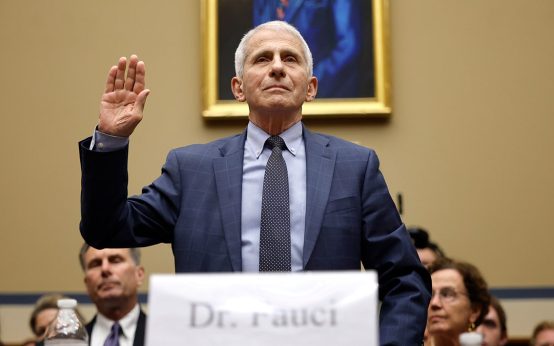 Contempt of Congress: The Case of Dr. Anthony Fauci
 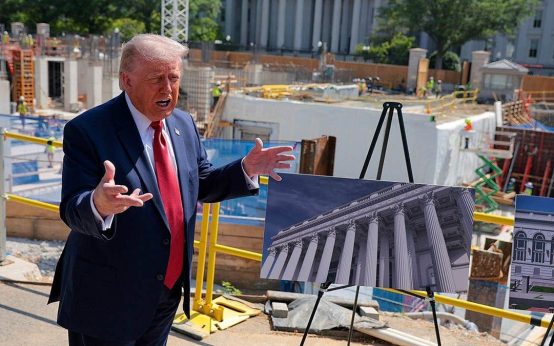 Trump’s Battle Over White House Ballroom: Legal Experts Weigh In
 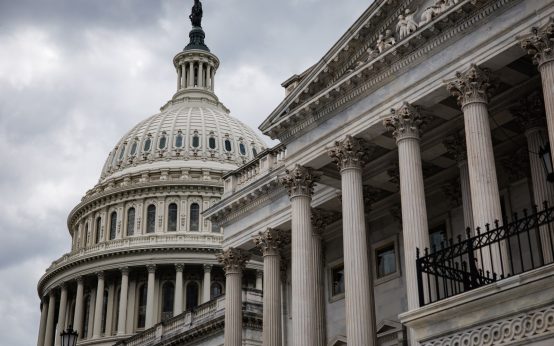 Senate Approves Temporary Funding Bill Amidst Policy Disagreements
  Senate’s Packed Agenda Faces Legislative Challenges
  Darline Graham’s Lead in South Carolina GOP Senate Race
  Hawaii’s Democratic Primary Highlights Party Divisions