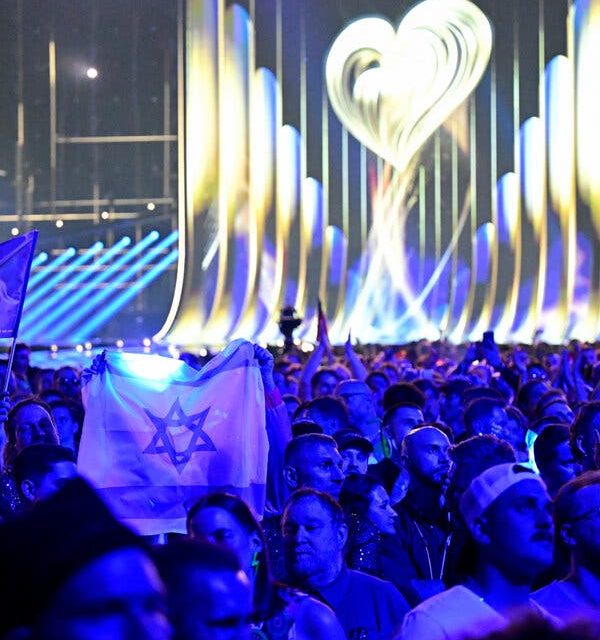
The Eurovision Song Contest is a unique amalgamation of music, performance, and politics. It captivates audiences with its blend of extravagant performances and political undertones. This annual event is not merely a musical spectacle; it’s a stage for international relations and geopolitics.
For instance, in 1969, Austria opted not to participate because the event was hosted by Spain, which was under a dictatorship at that time. Fast forward to 2013, Azerbaijan faced allegations of vote buying. In a more recent example, Russia was banned from the contest following its invasion of Ukraine in 2022, the same year Ukraine emerged victorious.
Political tensions have escalated with events such as Israel’s ongoing conflict in Gaza. This has impacted the contest significantly. Currently, five countries have chosen to boycott due to Israel’s involvement, primarily citing the conflict as their reason. Moreover, some nations express discontent over alleged attempts by Israel to sway the contest’s outcomes.
A conversation with Alex Marshall, a European culture writer, and Mara Hvistendahl, an investigative reporter, sheds light on this year’s politically charged atmosphere surrounding Eurovision. While the final event approaches, the shadow of political controversies looms large over the glittering performances.
 Bunnie Xo’s Post-Divorce Adventures Spark Debate Over Age Gap
 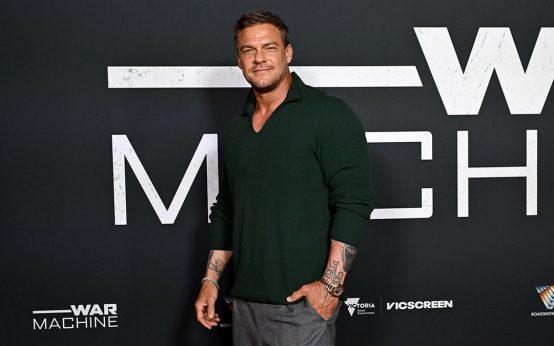 Alan Ritchson Faces Backlash Over Political Remarks
  Himalayan Pilgrimage: A Couple’s Narrow Escape and Lingering Questions
 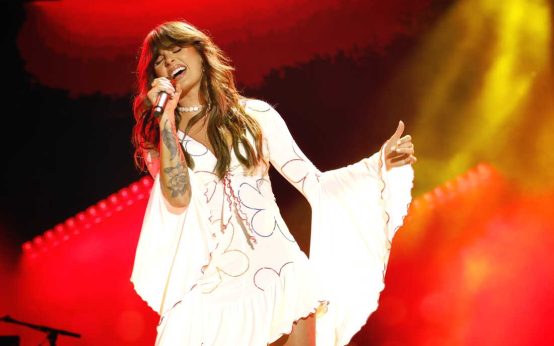 Ella Langley’s Record-Breaking Chart Success: The Rise of ‘Choosin’ Texas’
  Former CEO Sentenced for Bank Fraud and Sanctions Evasion
  Presley Gerber’s Death: Tributes from Friends and Family