Introduction
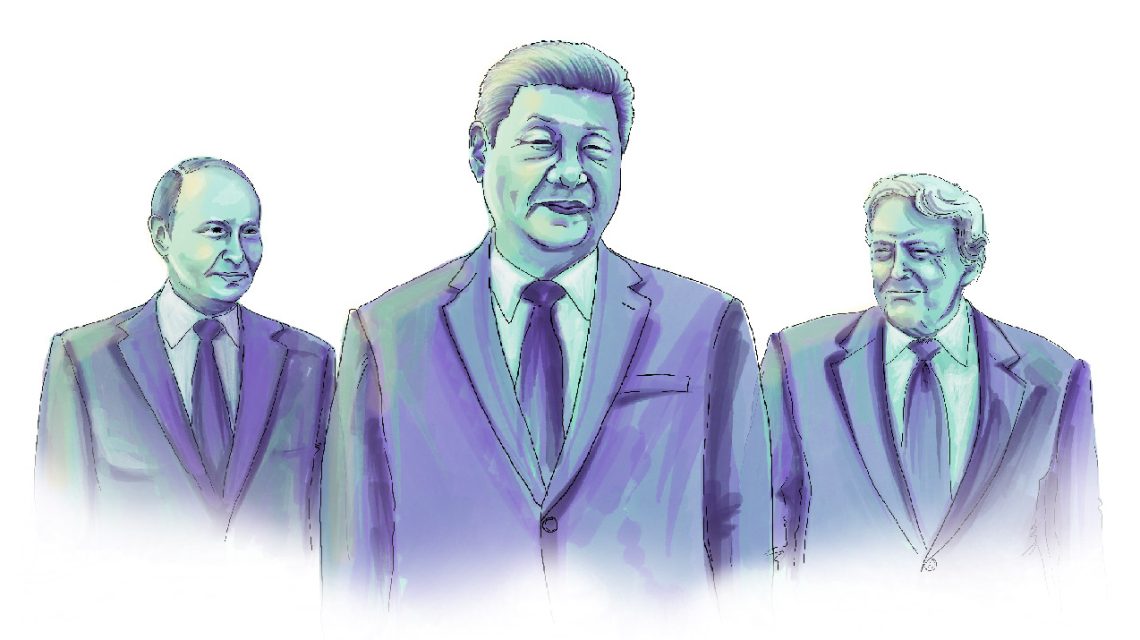
In a closely watched sequence of events, Chinese President Xi Jinping hosted separate high-profile visits by Russian President Vladimir Putin and U.S. President Donald Trump in Beijing. The timing and nature of these visits offer insights into the evolving diplomatic relationships China maintains with Russia and the United States.
Diplomatic Protocol and Airport Receptions
The arrivals of Trump and Putin in China exhibited notable differences in diplomatic protocol. Foreign Minister Wang Yi received Putin at the airport, adhering to standard procedures. In contrast, Vice President Han Zheng, a more senior state leader, greeted Trump. While these differences may seem minor, they indicate the varying stakes of each visit, with Trump’s less frequent visits to Beijing placing a higher emphasis on his presence.
State Visits: Similarities and Differences
Both leaders were treated to similar welcoming ceremonies, featuring an honor guard and gun salutes at the Great Hall of the People. Handshakes with Xi marked the beginning of each state visit, albeit with slight variations. Xi and Trump shared a 10-second handshake, demonstrating warmth with an arm pat from Trump, while Putin and Xi’s handshake was more reserved at eight seconds.
Agenda and Outcomes
Trump’s visit did not yield significant breakthroughs, especially on trade issues or the Iran conflict, despite public gestures of goodwill. Instead, separate statements highlighted some progress, including agreements on aviation and agricultural exports. Meanwhile, Putin’s visit produced a lengthy joint statement with extensive coverage on various topics ranging from nuclear security to wildlife conservation.
High-Level Delegations
Delegations accompanying each leader illustrated their differing priorities. The U.S. entourage included key business figures alongside high-level officials such as the Secretary of State, signaling a focus on economic ties. Russia’s delegation featured numerous senior government leaders, emphasizing diplomatic and energy sector engagements.
Cultural Exchanges and Banquets
Cultural programs further distinguished the visits. Putin and Xi attended a curated photo exhibition celebrating bilateral friendship, with Putin poetically commenting on their relationship. In contrast, Xi introduced Trump to the Temple of Heaven, symbolizing China’s historical and cultural depth.
State Banquets
State dinners provided a shared space for cultural exchange, with menus including Beijing Roast Duck and distinctive Chinese cuisine. However, these events also highlighted differences; Trump’s banquet was broadcast publicly, whereas Putin’s remained private.
Private Meetings and Departures
Putin’s brief visit concluded with a late-night tea meeting, while Trump received a rare tour of the Zhongnanhai gardens. Departure ceremonies for both leaders adhered to high diplomatic standards, reflecting mutual respect and the importance of these visits.
Historical Context of Relationships
The relationship between Xi and Putin has been longstanding, marked by frequent visits and communications since Xi’s presidency began in 2013. They have met over 40 times, both in each other’s countries and at international forums. Conversely, Trump’s engagement with China has been less frequent, with only two visits during his presidency.
This comparative analysis of visits emphasizes the nuanced and multifaceted nature of international diplomacy, showcasing how protocol, high-level engagement, and cultural exchanges shape broader geopolitical dynamics.
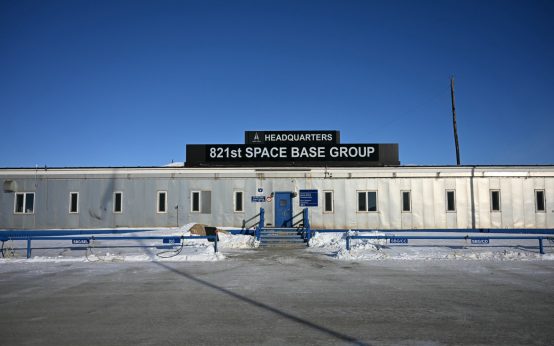 New U.S. Military Bases Planned in Greenland Amid Strategic Security Deal
 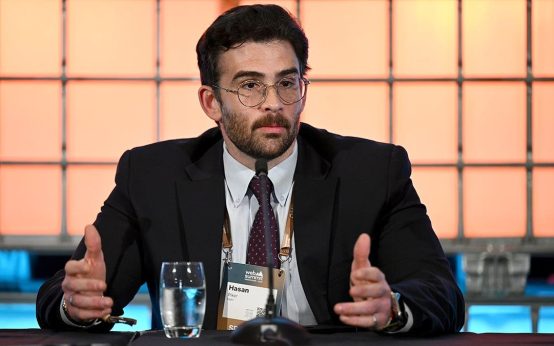 Twitch Streamer Hasan Piker Discusses Controversial Commentary
  A Shifting Political Landscape: The Decline of Autocratic Power
  Trump Delivers Warning to Iran, Cuba at UN General Assembly
 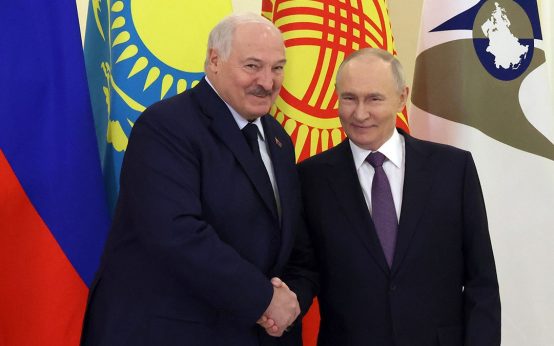 Lukashenko and Putin’s Unique Relationship and Belarus’ Strategic Role
  Alan Ritchson Faces Backlash Over Political Remarks