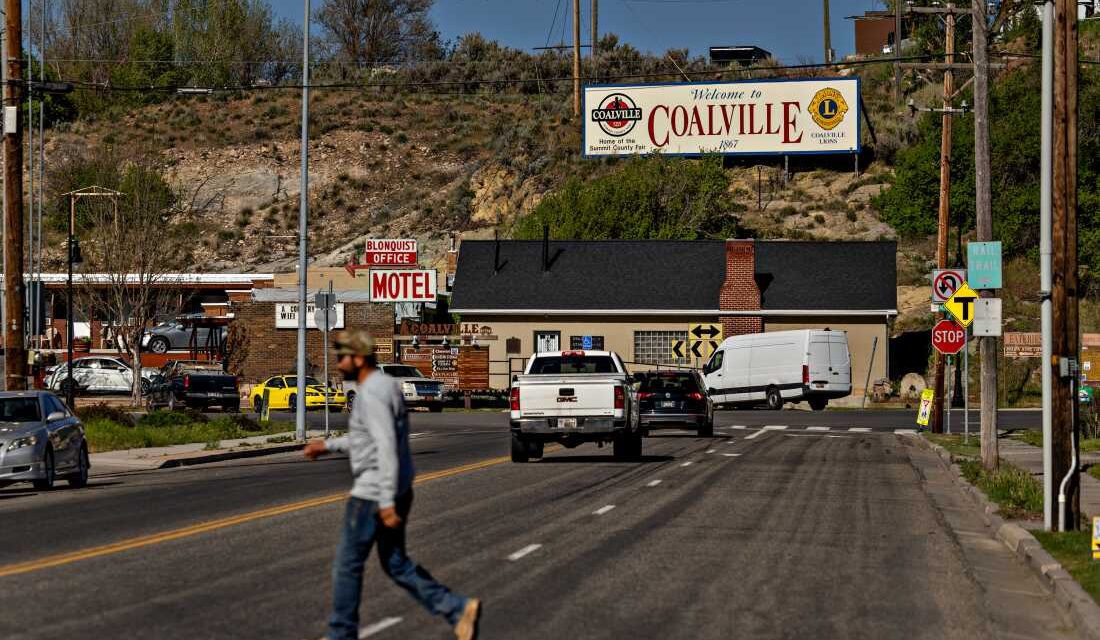
In Utah, a coalition of diverse communities, ranging from the largest city to small towns like Coalville, have united to enhance renewable energy on the electric grid. This initiative aims to set an example for other U.S. cities to take climate action, even as federal support for clean energy diminishes.
Since the start of his second term, President Donald Trump targeted renewable energy by promoting coal industry measures and opposing new solar and wind projects. Yet, this Utah-based coalition pushes forward, working to integrate more renewable energy into the state’s power supply.
Collaborative Efforts for Clean Energy
Utah’s capital, Salt Lake City, is part of Utah Renewable Communities, which includes 19 areas working to introduce clean energy by 2030. These communities aim to create enough renewable power to cover the demands of nearly 300,000 homes and businesses. This requires years of regulatory adjustments and active collaboration with Rocky Mountain Power, a regional utility. The goal is to build projects like solar arrays and wind farms.
Transitioning from Coal
Coalville, a small town historically reliant on coal, signifies Utah’s coal legacy. Englanders explored coal in Coalville during the late 1850s, marking it as one of the first coal communities. In modern times, communities like Summit County and Coalville are betting on renewables. Utah currently relies heavily on coal and natural gas, contributing to significant climate pollution. Despite state efforts to prolong coal operations, the share of renewables stands at 22% and is increasing.
Summit County Sustainability Director Emily Quinton emphasized the diversified motives for joining the initiative, which range from avoiding pollution to achieving core climate action goals. This proves that climate strategies can progress independently of changing federal support.
Local Challenges and Legislative Support
The coalition’s journey wasn’t without hurdles. Communities faced complex processes, but through collaborative efforts and a 2019 legislative framework enabling community-utility cooperation, they advanced their goals. State Representative Steve Handy recognized Utah’s diverse energy needs, emphasizing the economic and logical benefits of diversifying energy sources.
Urgency and Economic Sense
Park City, a winter sports center within the coalition, experiences direct climate impacts. Unusually warm winter temperatures threaten its snow-reliant economy. Residents like Luke Cartin are motivated by visible environmental changes. The coalition’s proactive measures present the community with a sense of pride in addressing climate concerns.
Coalition efforts attract attention from other states. Luke Cartin reported inquiries from regions like Montana and Idaho seeking to replicate Utah’s example, underscoring the benefits of clean energy beyond political boundaries. Financial analyses reveal that large renewable projects are now more cost-competitive compared to fossil fuels, affirming the economic viability of the shift towards renewables.
Execution and Prospects
The Utah coalition officially gained state approval. Communities must pass ordinances by June 2 to confirm participation, with plans for resident enrollment in clean energy options. A $4 monthly fee for clean energy will be applied in 2024, with considerations for low-income residents.
For remote areas like Castle Valley, transitioning to renewable energy seemed unattainable without collective support. Initiatives like solar rooftops in Moab illustrate progress. Residents of these communities, while not identifying as radical environmentalists, acknowledge climate change effects and aim to protect their locales for the future.
Utah Renewable Communities expects to announce its inaugural clean energy project by summer, with power generation commencing by 2030.
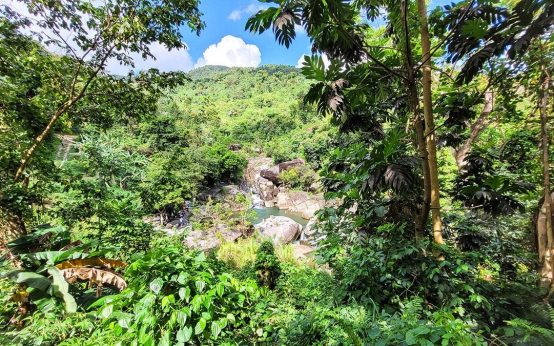 Python Hunter Helps Capture Record-Breaking Snake in Puerto Rico
  Environmental Concerns Halt Tree Removal at East Potomac Golf Links
  West Virginia’s Nuclear Proposal Faces Local Opposition
 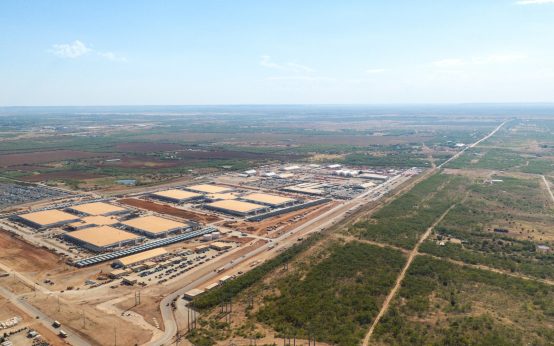 Texas Data Centers Face Criticism Over Water Use Reporting
  First Offshore Mining Lease Sale by U.S. Government
 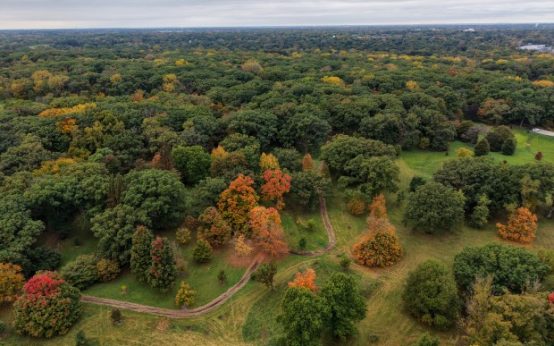 Unseasonal Warmth Delays Fall Foliage and Brings Impacts