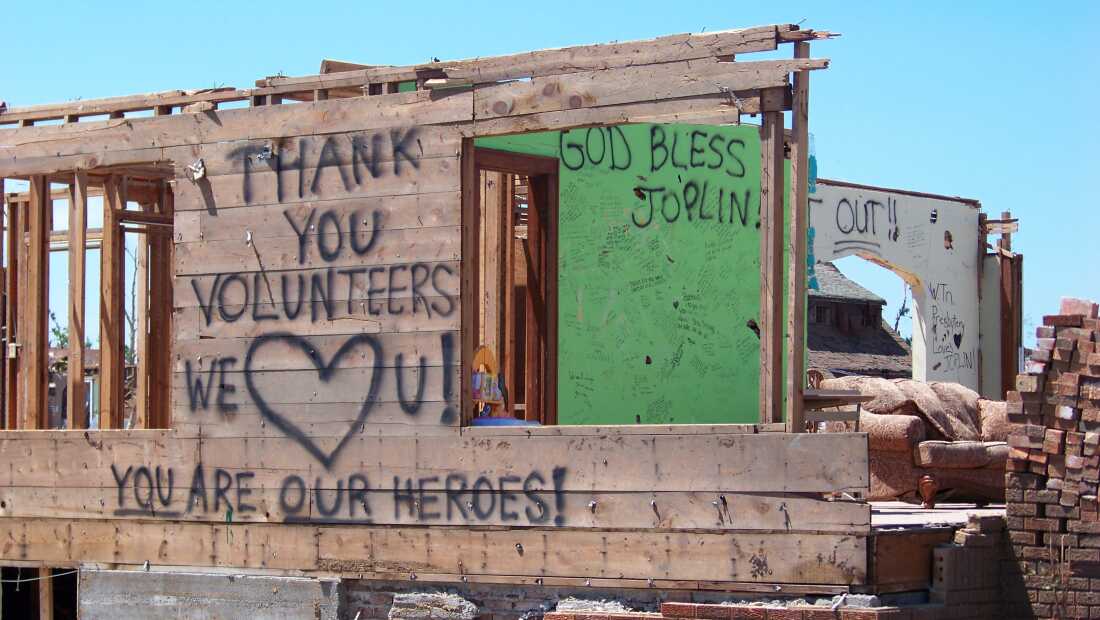
After the devastating tornado in Joplin, Missouri on May 22, 2011, a surge of volunteers from across the nation came to assist the city. The tornado tore through the area, leaving the sky with a peculiar green hue. Nanda Nunnelly, a resident, recalls finding safety in a closet with her husband and dog as 200 mph winds threatened her home. The tornado, three-quarters of a mile wide, claimed nearly 160 lives and displaced a third of Joplin’s population. Despite the tragedy, the recovery soon highlighted the extraordinary compassion among the community and its supporters.
In the aftermath, nearly 100,000 volunteers joined hands to clear debris and assist rebuilding efforts. Columbia University researchers noted minimal political conflict hindering the recovery, and schools managed to reopen on time. Compassionate acts occurred everywhere; from ranchers cooking meals to clown performers entertaining children in shelters, the community came together regardless of political or demographic differences.
Melodee Colbert-Kean, Joplin’s vice-mayor then, emphasized how the joint recovery effort transcended social barriers. Jamil Zaki, a social psychologist at Stanford, described this phenomenon as ‘catastrophe compassion,’ where disasters unite strangers in powerful ways. Such moments redefine identity, shifting focus from personal labels to shared survivor experiences. Nunnelly, impacted deeply by the tornado, later sought redemption by reaching out to someone she had hurt in the past, showing how personal struggles can inspire compassion and care.
While short-term altruism often diminishes as disasters fade, researchers Zaki and Drury suggest sustaining community spirit through meetings and commemorations. In Joplin, efforts like ‘One Joplin’ continue to address the needs of the working poor and advocate for affordable housing. According to Nicole Brown, executive director of One Joplin, the organization’s mission remains centered on community collaboration.
Jay St. Clair, who transformed his church into a shelter during the crisis, highlights how commitment to communal service evolves into long-term support strategies like the transitional housing program ‘God’s Resort.’ These initiatives focus on persistent community needs, thereby amplifying the sense of unity that emerged post-tornado.
Zaki noted significant kindness during the COVID-19 pandemic, contradicting perceptions of societal regression. Globally, acts of kindness increased, showcasing widespread ‘catastrophe compassion’ similar to what Joplin experienced.
In Joplin, shared experiences from the 2011 tornado continue to foster a deep communal bond as residents work to sustain compassionate recovery efforts.
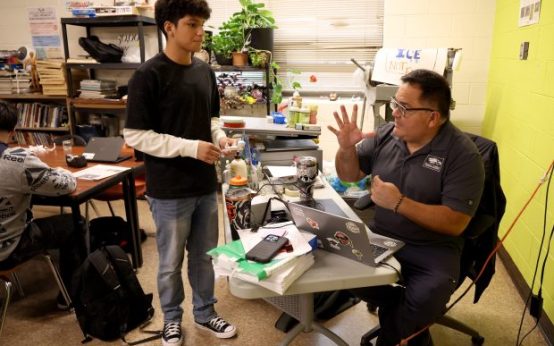 Celebrating Day of the Dead: Students Craft Calaveras in Pilsen
  Family Conflict over Sentimental Necklace
 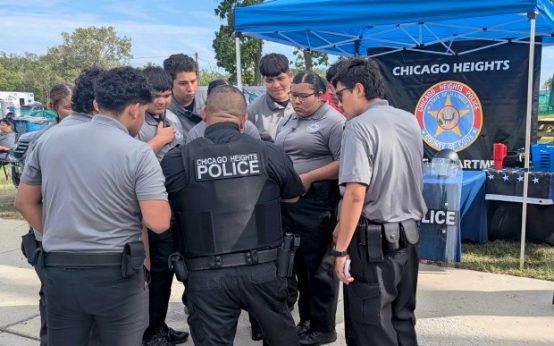 Youth Program Shapes Future Policemen
  Cindy Crawford’s Son Presley Gerber Dies at 27
 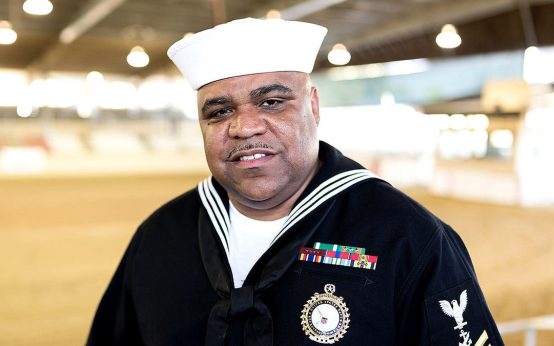 Navy Veteran Generald Wilson Reflects on Emotional National Anthem Performance
  Fat Bear Week: A Unique Annual Tradition at Katmai National Park