Located in Greece, the village of Arachova was once famous for its frequent heavy snowfall. Mayor Giannis Stathas recalls times when snow confined residents to their homes for days. These days are gone. Mount Parnassos, once coated in thick snow, now displays much less snow at lower altitudes. Stathas attributes this to climate changes affecting snowfall patterns.
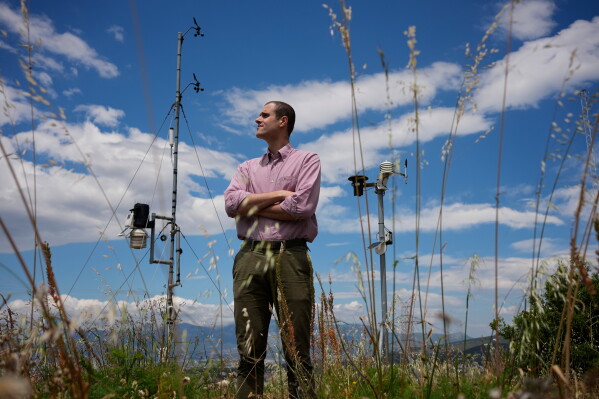
Snow hydrologist Konstantis Alexopoulos, connected with the University of Cambridge and the National Observatory of Athens, provides insights into this phenomenon. His research, conducted using satellite imagery from NASA and the European Space Agency, highlights a significant decline in snow cover across Greece since the 1980s. Similar declines are not observed in natural climate variability but relate to global warming trends caused by greenhouse gas emissions.
“We’ve lost more than half of the snow cover since the mid-1980s,” says Alexopoulos. The findings suggest this decrease is reflected globally, but in Greece, the rate is surprisingly high.
Snow serves as a vital water reservoir, retaining water longer than rain and releasing it during dry periods. The loss of snow threatens water availability in Greece, characterized by dry summers. Local measures are being considered to address this issue, such as constructing small dams to retain water.
The water supply from melting snow is crucial in Arachova, and diminishing snow levels have caused growing concerns. Change is apparent, with locals observing drying springs and reduced reservoir levels. This impacts not only water supply but also the local economy and environment.
The drop in snowfall extends beyond natural resource considerations. The ski industry, crucial to Arachova’s economy, suffers. The ski season has delayed its start, impacting tourist numbers and revenue. Efforts are underway to promote Arachova as a summer destination to diversify its appeal, shifting focus from winter sports to warm-weather activities.
In addition to economic challenges, the environment faces risks due to the warmer, drier conditions that increase wildfire risks. Historically, northern Greece’s forests rarely experienced fires, but this is changing rapidly.
Older residents of Arachova nostalgically recall past winters, highlighting how climate shifts have increasingly altered the landscape and their way of life. Snowfall used to be a reliable seasonal feature in Greece, marking the start of specific agricultural activities. Now, locals are adapting to the adjustments in seasonal patterns caused by global environmental changes.
 Cold Weather Alerts and El Niño Influence
 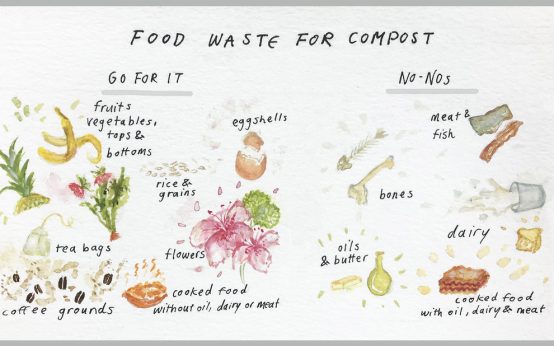 Turning Home Food Waste into Compost: A Guide
 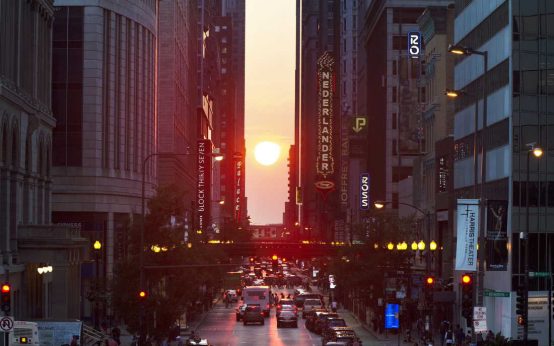 Chicagohenge: When Sunlight Aligns with City Streets
  Fat Bear Week 2026: A Look at the Contest and Its Competitors
  California Governor Declares Statewide Emergency Ahead of El Niño Storms
  EPA Rollbacks and the Impact on Indiana Communities