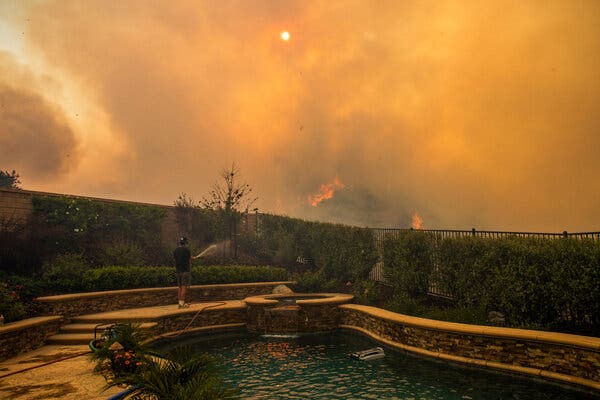
The scientific community recently witnessed a significant shift in the approach to climate modeling. An international team of researchers revised the emissions scenarios used to project global warming, drawing attention and sparking debate. This update moved away from a high-emissions scenario named RCP8.5, largely used in climate studies over the past decade. The update questioned the plausibility of this scenario due to recent energy trends.
The controversy surrounding RCP8.5 originates from its portrayal of extreme emissions. Critics argued that it presented an unrealistic picture of nations burning coal at unsustainable levels. They suggested that reliance on this scenario led to exaggerated assessments of climate risks. The question arose: why wasn’t this adjustment made sooner?
Proponents of high-emissions scenarios maintained their importance despite the shift. They stated that the possibility of extreme warming, although unlikely, still requires examination for a comprehensive understanding of potential outcomes.
This update reflects the ongoing need to adapt climate models in response to changing environmental and economic landscapes. It highlights the complex task of predicting climate patterns and balancing realistic with worst-case scenarios.
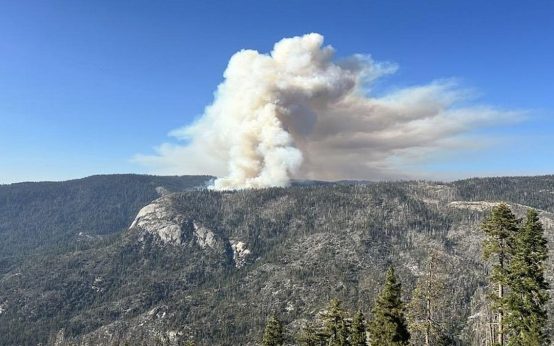 Helicopter Crash Claims Lives of Two Firefighting Pilots in Yosemite
 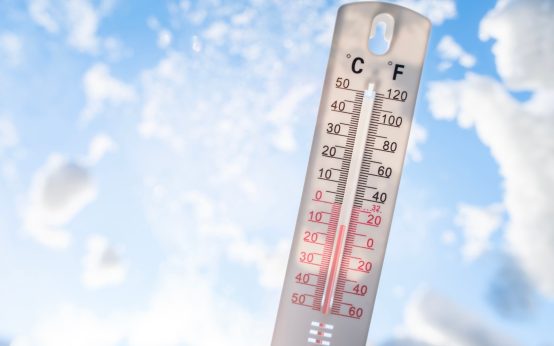 Cold Weather Alerts and El Niño Influence
 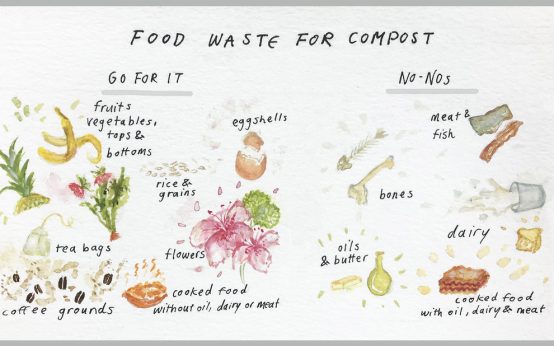 Turning Home Food Waste into Compost: A Guide
  Chicagohenge: When Sunlight Aligns with City Streets
  Fat Bear Week 2026: A Look at the Contest and Its Competitors
  California Governor Declares Statewide Emergency Ahead of El Niño Storms