In Washington state, immigration judges implemented changes that anticipated significant shifts in immigration enforcement practices. These changes involved denying bond for many individuals facing immigration charges and have led to numerous lawsuits alleging unlawful confinement.
The Trump administration’s attempts to enforce similar policies met legal challenges. An appeals court recently overturned its stance after initial agreements in other courts. This might lead to a Supreme Court evaluation.
Tacoma’s Northwest ICE Processing Center was already following a similar rationale. The judges there, including Neil Floyd, interpreted that Congress never authorized them to grant bond based on a 1996 law mandating detention for ‘applicants for admission.’ Thus, individuals living in the U.S. for extended periods were reclassified under this statute.
Immigration lawyers expressed surprise at Tacoma judges’ interpretation, perceiving it as a prosecutorial strategy to increase detentions. A lawsuit was filed challenging the decision, alleging the judges contravened established precedent.
In July, ICE aligned with the Tacoma judges’ perspective, pronouncing similar practices nationally. The Justice Department’s Board of Immigration Appeals supported ICE’s viewpoint, escalating the number of individuals under mandatory detention.
The policy change increased the population in ICE custody, with plans for expanding detention capabilities. Approximately 2 million immigrants could face detention under these conditions, prompting over 40,000 lawsuits since the policy’s introduction.
Despite policy positions, courts have occasionally favored immigrants. Judges have ordered releases and demanded reconsiderations of bond hearings.
An example is Victor Cruz, detained for 24 days without a warrant. He was granted bond and eventually won his case. His experience highlights the arbitrariness of detention durations and conditions.
Meanwhile, judges like Tammy Fitting continue holding bond hearings, adhering to federal orders, revealing ongoing complexities and inconsistencies in practices.
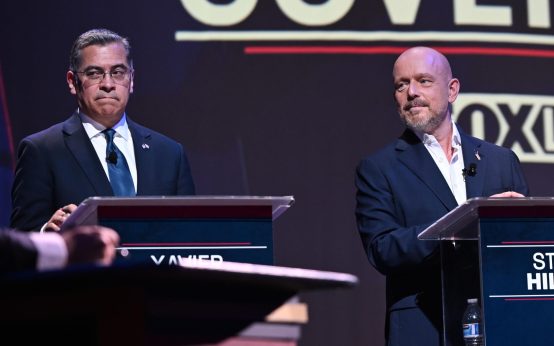 Becerra and Hilton Clash in California Gubernatorial Debate
  California Gubernatorial Debate Highlights Becerra vs. Hilton
  California to Vote on $7.5 Billion Scientific Research Fund
 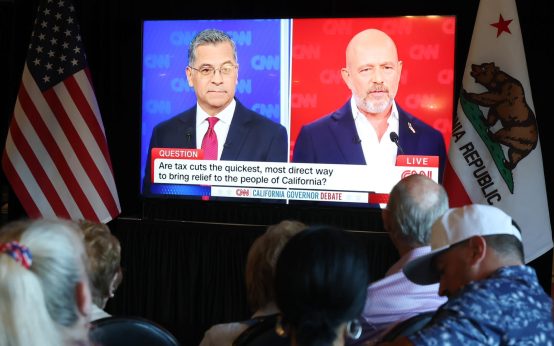 California Gubernatorial Debate: Becerra and Hilton’s Clash Highlights Key Issues
 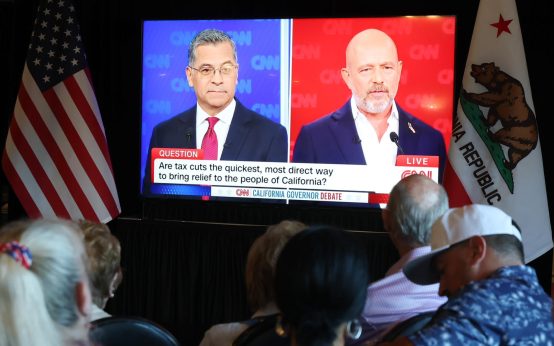 California Gubernatorial Debate: Becerra vs. Hilton
  Senate Confirms Keith Sonderling as Labor Secretary