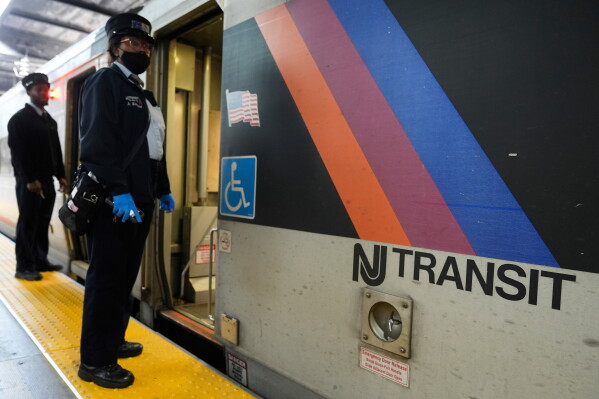
The Trump administration has filed lawsuits against four states for denying undercover license plates to federal agents. These lawsuits represent the latest conflict between the White House and Democrat-led states over Trump’s immigration policies. The Department of Justice claims that Maine, Massachusetts, Oregon, and Washington have unconstitutional restrictions that hinder law enforcement and jeopardize agent safety.
The refusal to issue undercover plates to DHS components, including ICE, while providing them to state agencies indicates discriminatory and obstructive policies against federal law enforcement, said acting Justice Secretary Todd Blanche.
Blanche further stated that these actions undermine federal immigration law enforcement, allowing dangerous criminals to escape justice and instill fear in American communities.
The Justice Department filed the lawsuits on Wednesday in federal district courts of the respective states. The allegations suggest that these states are attempting to thwart federal efforts in enforcing immigration laws, which fall under exclusive federal authority. The Department also argues that the Supremacy Clause of the U.S. Constitution prevents states from regulating federal law enforcement.
Maine’s Secretary of State, Shenna Bellows, overseeing the state’s plate program, expressed confidence that her decisions will stand in court. She emphasized that the actions of ICE in Maine have instilled fear among the community.
Massachusetts’ Attorney General spokesperson stated that the state lawyers are reviewing the lawsuit and will defend their policy regarding the Registry of Motor Vehicles to the fullest extent possible.
Officials from Washington and Oregon are yet to comment on the federal action.
Federal authorities emphasize that identification poses a risk to agents who often deal with violent criminals. Making federal authorities easily identifiable exposes them to increased harassment and potential harm.
This legal action follows exchanges between the Justice Department and some state officials. Previously, the administration sent letters to state officials demanding justification for their policies. Maine’s Attorney General defended the state’s policy, questioning the federal department’s claims of obstruction.
Shenna Bellows had earlier announced a pause on the issuance of confidential plates following intensified federal immigration enforcement activities in the state. She maintained that Maine wanted to ensure its plates were not misused.
The federal lawsuit argues that Maine historically issued confidential plates to public safety agencies under state law but states that recent regulations illegally require federal applicants to certify non-use for civil immigration enforcement.
These arguments mirror debates regarding the masked agents during deployments. The administration has defended coverage policies, opposing sanctuary cities where local law enforcement does not cooperate with federal immigration officers. Blanche has instructed the Civil Division of the Justice Department to identify state and local laws and practices that may hinder what the government perceives as lawful federal operations.
This story was originally reported by Barrow from Atlanta with contributions from Whittle in Scarborough, Maine.
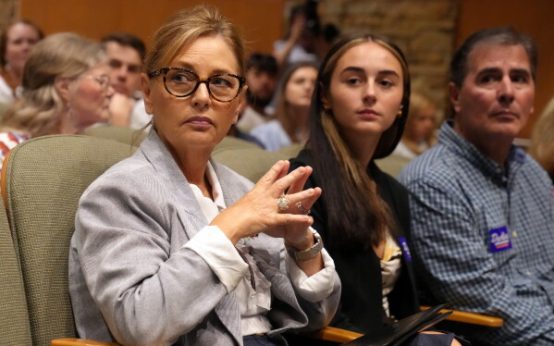 Legal Challenges Threaten Citizen Lawsuits in the U.S.
 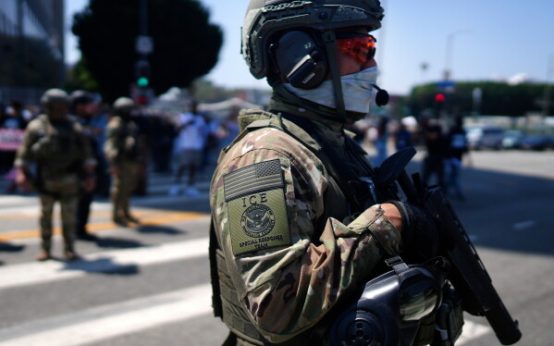 ICE to Equip Officers with Body Cameras by August
  Delta Flight Makes Emergency Landing in Atlanta Due to Smoke
 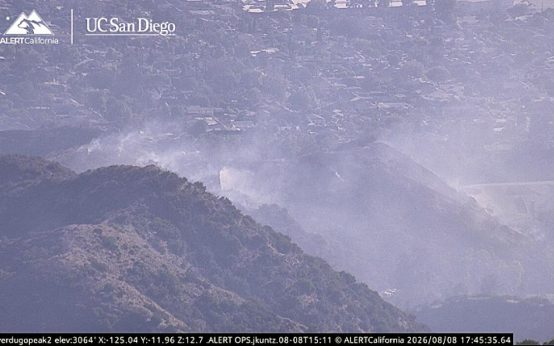 Brush Fire Erupts in Burbank Hills Prompting Evacuations
  Carville Responds to Progressive Criticisms Amid Democratic Party Tensions
  Republican Candidates Present Their Platforms in South Carolina Senate Race