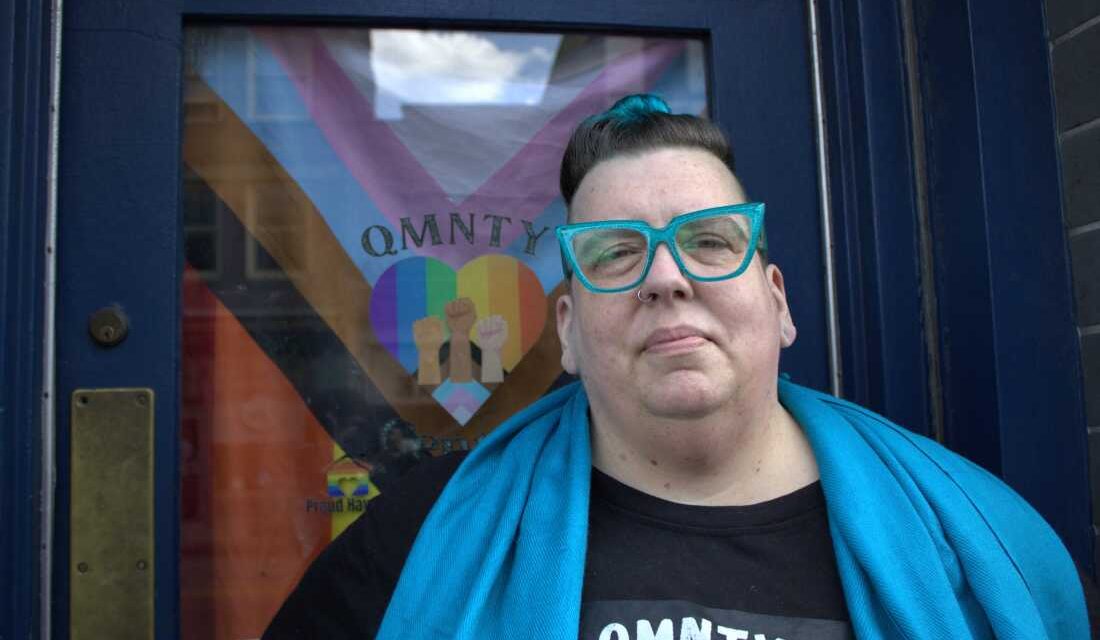
Pride celebrations nationwide are facing a decline in corporate sponsorships. Corporations are distancing themselves from diversity causes and LGBTQ+ events. This trend affects festivities in major cities including New York City, Salt Lake City, Louisville, St. Louis, Orlando, and Pittsburgh.
Jordan Braxton, co-president of the United States Association of Prides, notes that while smaller Prides have gained sponsorships, many others face reductions. The restructuring of Diversity, Equity, and Inclusion (DEI) initiatives during the Trump administration has concerned corporations about government scrutiny. “They don’t want that government scrutiny,” Braxton explains.
Trump’s administration targeted DEI initiatives within both the federal government and the private sector. These actions labeled DEI practices as “illegal discrimination and preferences,” affecting corporate decisions.
Pittsburgh Pride organizers are working to compensate for sponsorship shortfalls before their June festival. “It takes a lot of money to do this,” says Dena Stanley, director of Pittsburgh Pride. Expense areas include permitting, security, headliners, staging, cleaning, and insurance. Pittsburgh Pride expects to secure only 30-40% of past sponsorship levels. To offset this, they have obtained a state grant and appealed for individual donations.
E Ciszek, a researcher at The University of Texas at Austin, discusses the context behind declining sponsorships. The backlash against DEI initiatives and the “attack on trans rights” have contributed to this trend. Ciszek emphasizes seeing this as a moment of heightened risk and political pressure. “What once was an organizational asset has now become an organizational risk,” she asserts.
Corporations assess the risks linked with public support for Pride. This includes potential litigation, political retaliation, or consumer boycotts. Lyndsey Sickler, a Pittsburgh Pride organizer, speaks to the empowerment these celebrations bring LGBTQ+ individuals. These events offer a unique space for openly celebrating their identity.
The drop in sponsorships also affects year-round resources for the LGBTQ+ community. Braxton mentions that Pride festivals, often viewed as parties, also serve as resource and job fairs besides fundraising. “People sometimes look at Pride festivals just as a big party,” she clarifies.
Florida faced a setback as Tampa Pride announced a hiatus due to corporate sponsorship withdrawals. Carrie West, who managed the organization, describes the impact. “You have no money, no grant money, no supporting money, to make operations,” West laments. “Oh my gosh, it was, it’s devastating.”
 A Family’s Journey Through Cancer and Loss
 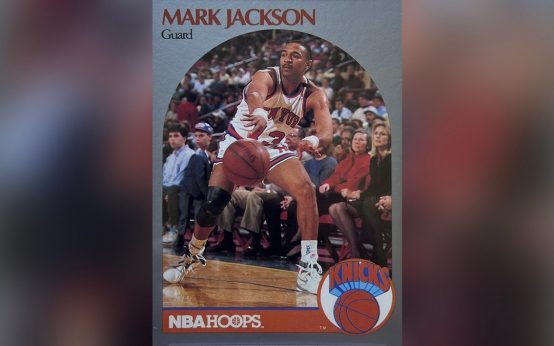 The Unlikely Intrigue of a 1990 NBA Trading Card
  Artistic Chronicle of Communities’ Recovery Post-Hurricane Helene
  Chicago History Museum’s Latin American Exhibit Sparked by Student Protests
 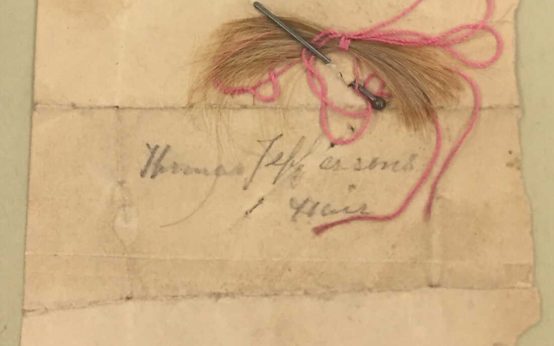 DNA Links Jefferson to Hemings Descendants
  Ari Emanuel’s Memoir: A Business-Centric Narrative