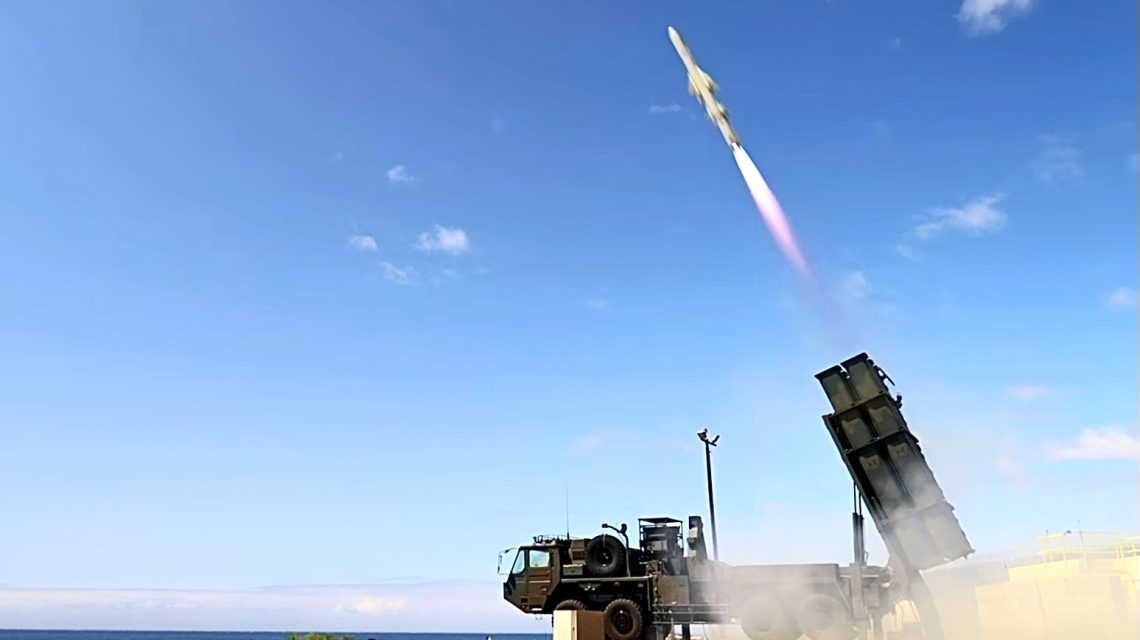
Japan Counters Militarism Accusations
Japanese Defense Minister Shinjirō Koizumi rejected China’s claims of Japan’s new militarism, emphasizing Japan’s lack of nuclear weapons and strategic bombers, unlike China. Koizumi highlighted Japan’s postwar constitution, which limits military roles and renounces war as a sovereign right. He assured that Japan is open to bilateral dialogue despite China’s accusations of remilitarization.
Defense Transparency and Concerns
Koizumi criticized China’s extensive military spending and expansion, calling for transparency. He pointed out these efforts are a concern for Japan and the international community. Despite China’s campaign painting Japan’s defense reforms as a revival of militarism, Koizumi clarified Japan’s defense policies are not aimed at any specific threat.
Challenges to ‘Militarism’ Narrative
Responding to challenges from Chinese military officials, Koizumi noted Japan’s asymmetry with China’s power. He referenced Japan’s Three Non-Nuclear Principles—pledging never to possess, manufacture, or allow nuclear weapons in Japanese territory. Koizumi reiterated Japan’s commitment to diplomacy and ongoing dialogue.
Building Regional Security Ties
Despite China’s absence from discussions, Japan continues to strengthen ties with Indo-Pacific nations. Koizumi met with Philippine Defense Secretary Gilberto Teodoro, agreeing to transfer military equipment to enhance Manila’s defense capabilities amid territorial disputes with China. Robert Ward from IISS noted Japan’s effective collaboration with countries concerned over China’s naval ambitions.
 Trump Delivers Warning to Iran, Cuba at UN General Assembly
  Trump Delivers Stern UN Speech on Iran, AI, and Global Security
 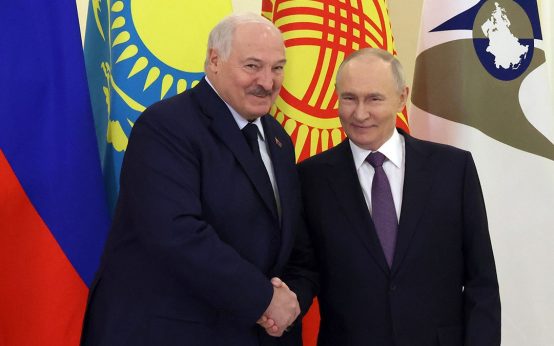 Lukashenko and Putin’s Unique Relationship and Belarus’ Strategic Role
  Harris Discusses Potential 2028 Presidential Run
  Far-Left Groups Allegedly Organize Protests in Austin
 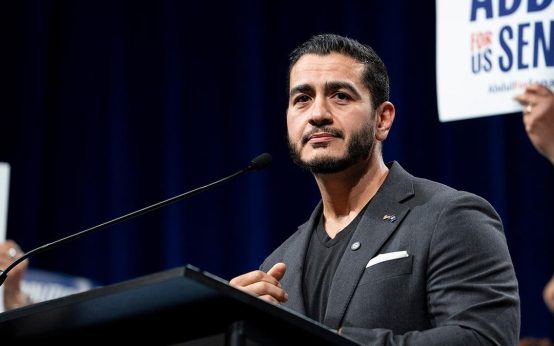 Michigan Senate Nominee Abdul El-Sayed Criticized for Remarks on Reproductive Rights