When first informed about China’s extensive surveillance system tracking citizens and ranking them based on political and social norms set by the Communist Party, many draw parallels to George Orwell’s ‘1984’ and its depiction of Big Brother.
China has now ascended to being a leading power in surveillance technology, much of it integrated with artificial intelligence. This development resembles enhanced Mao-era policing methods. As noted by David Pierson and Berry Wang, this surveillance approach is being adopted by authoritarian regimes and fragile democracies worldwide.
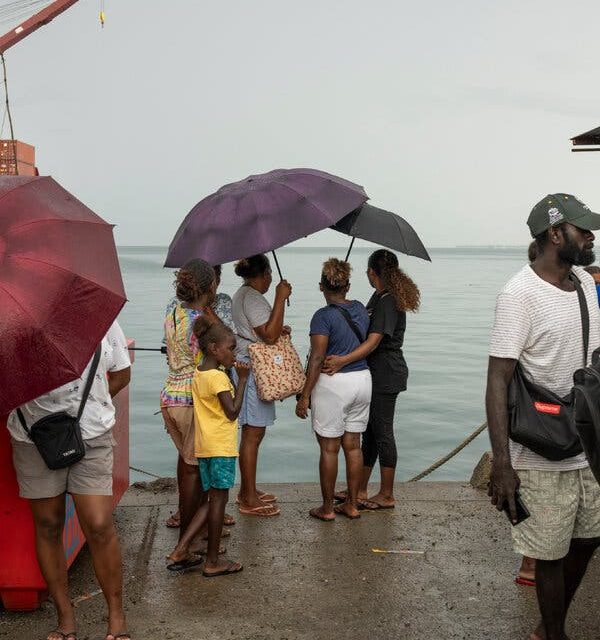
Image: The port of Honiara, Solomon Islands, last year. Photo by Adam Ferguson for The New York Times.
A recent example comes from a village in the Solomon Islands, troubled by young men under the influence of betel nut and homemade alcohol. Local residents sought police assistance, and officers, who were part of a security agreement with Beijing, proposed a radical solution: gather fingerprints and palm prints from every resident in combination with detailed personal information about each household.
This strategy mirrors a Mao-era community-surveillance model, brought back to life under President Xi Jinping’s leadership. It fosters an environment where community members are encouraged to monitor and report on one another, aiming to expose political adversaries.
 Calls Grow for Ireland’s Soccer Team to Boycott Matches Against Israel
  New U.S. Military Bases Planned in Greenland Amid Strategic Security Deal
  Twitch Streamer Hasan Piker Discusses Controversial Commentary
  A Shifting Political Landscape: The Decline of Autocratic Power
  Trump Delivers Warning to Iran, Cuba at UN General Assembly
  Lukashenko and Putin’s Unique Relationship and Belarus’ Strategic Role