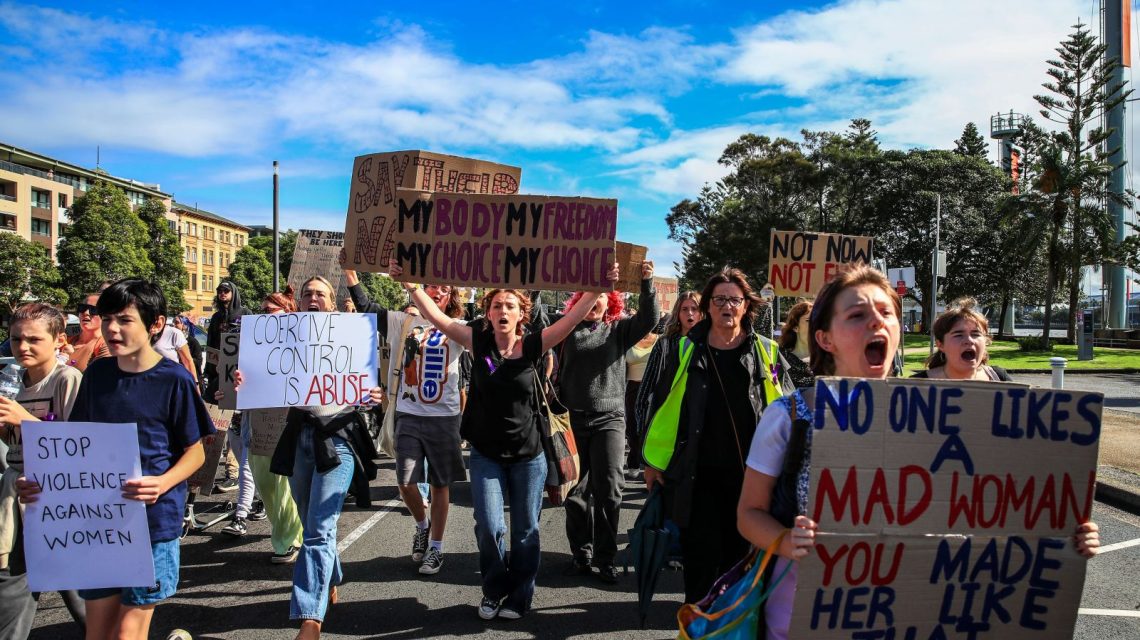
The 2026 World Cup is currently underway, featuring matches across the United States, Mexico, and Canada. As enthusiasm for the tournament peaks, it’s a time of celebration for many. However, for survivors of and individuals experiencing domestic violence, large football events like the World Cup can signal increased risks.
Historical Context of Domestic Violence During Major Events
Research indicates that domestic abuse cases often escalate during major sporting events. A global handbook by UNESCO and UN Women highlights that in some communities, police reports of domestic violence rise by over a third during events like the World Cup.
Joanna Otero-Cruz, executive director of Women Against Abuse, explains that while sporting events themselves do not cause domestic violence, they can elevate risk due to factors like excessive alcohol consumption and heightened emotions.
The Connection Between Sports and Domestic Violence
A 2022 study in Health & Social Care in the Community found a strong correlation between major sporting events and domestic violence. While gender inequality remains the primary driver of such violence, other risk factors are also present. These include behaviors that manifest in environments where sports culture is prominent.
Maïssa Hubert of Equis: Justicia para las Mujeres notes that the World Cup does not invent new forms of violence; instead, pre-existing conditions and inequalities can worsen. This is particularly concerning in regions like Mexico, where gender-based violence is already prevalent.
Data from the CDC shows that IPV is common in the U.S., with more than one in three women facing some form of intimate partner violence in their lifetimes. A 2012 study by economists David Card and Gordon Dahl found that upset losses in NFL games could lead to a 10% increase in IPV.
Rising Concerns During the World Cup
Various experts have noted that police reports of domestic violence tend to increase during large sports events. Rebecca Goshawk from Solace Women’s Aid highlights the importance of preparing for potential surges in domestic abuse during these times.
Contributing Factors
While major events do not initiate domestic violence, they can exacerbate it. Alcohol, crowds, and heightened emotions are significant contributors. The relaxed alcohol laws in some U.S. states could pose additional risks during the 2026 World Cup, according to Goshawk.
Preventive Measures and Support
Organizations emphasize the need for raising visibility and resources for those affected by domestic violence. Campaigns advocating for greater awareness are crucial during this period.
Goshawk encourages looking out for those around you who may be at risk. Otero-Cruz calls for systemic changes and sustained investment in emergency shelters, hotlines, legal services, and prevention programs.
Hubert stresses a proactive stance, suggesting authorities need to bring support services closer to at-risk individuals before violence occurs.
If you or someone you know experiences domestic violence, contact the National Domestic Violence Hotline at 1-800-799-7233 for confidential support.
 Kurt Angle Reflects on His TNA Wrestling Career
  Analyzing NFL Teams After Two Weeks
  Seattle Seahawks Coach Mike Macdonald’s Strategic Approach
  Massachusetts Youth Hockey Player Suspended Indefinitely After Slashing Incident
  Chicago Bears Face Quarterback Changes Amid Injuries
  Kevin Durant Chooses to Focus on WNBA Success Amid Gender Debate