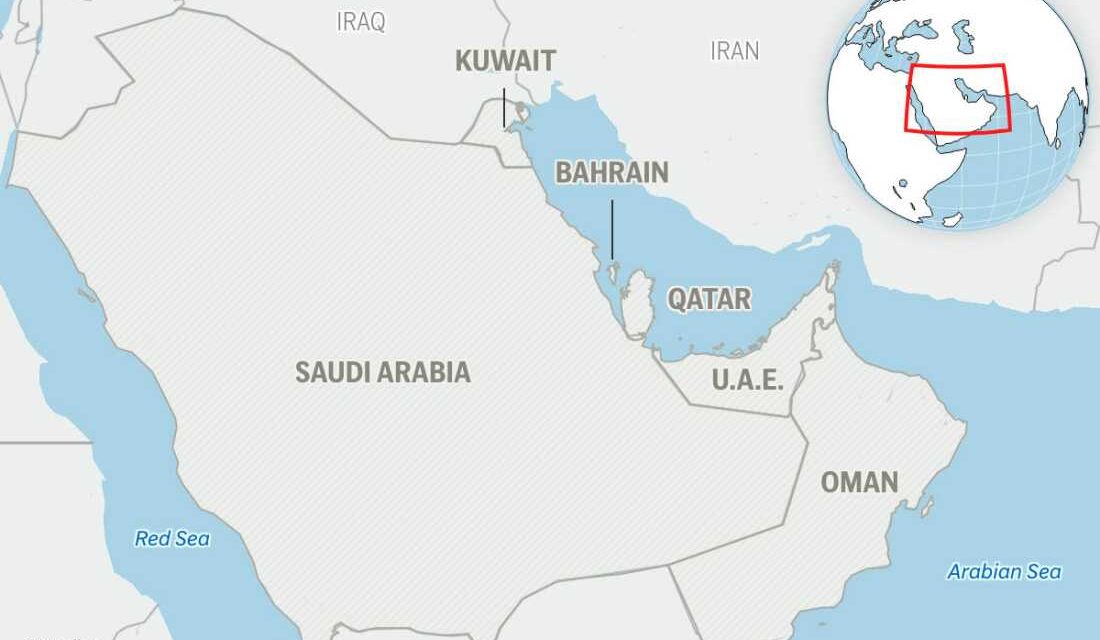
DUBAI, United Arab Emirates — The United States launched strikes on Iranian radar and drone control sites after Iran shot down an American MQ-1 Predator drone over the weekend, according to the American military on Monday. Coming in response, Iran confirmed conducting a retaliatory strike, with Kuwait reporting the interception of incoming drone and missile fire.
These opposing attacks highlight the instability of the recent ceasefire in the ongoing Iran conflict, which frequently experiences disruptions as American and Iranian negotiators attempt to extend the ceasefire. Iran has continued its hold over the Strait of Hormuz during this period, affecting global energy supplies. A significant proportion of the world’s oil and natural gas once flowed through this narrow passage in the Persian Gulf.
Meanwhile, tensions are rising with Israel expanding its control in Lebanon, moving past the Litani River. Hezbollah, a militant group, has persistently launched drones into Israel, escalating the conflict further.
US Military Action Against Iran
The U.S. Central Command reported the attacks occurred around the city of Geruk and on Qeshm Island on Saturday and Sunday. They described the strikes as “measured and deliberate” reactions to Iranian aggression, including the downing of the U.S. drone over international waters. U.S. fighter aircraft targeted Iranian air defenses, a ground control station, and attack drones identified as threats to regional shipping routes.
While the U.S. Air Force has retired the Predator drone, the U.S. Army continues to operate it. No American personnel were injured in these engagements.
Kuwait’s Interception of Attacks
Kuwait stated its air defenses fired at incoming drone and missile threats early Monday. Iran’s Revolutionary Guard claimed that U.S. forces aimed at a telecommunications tower, responding with unidentified counterattacks possibly implying actions against Kuwait. The U.S. Army Central, managing the Middle East forward command, is situated in Kuwait.
Footage broadcast on Iranian state television showed a ballistic missile launch. It included a close-up of a sticker featuring a caricature of U.S. President Donald Trump against a “closed” Strait of Hormuz, captioned “Until the last American soldier leaves the region.”
Ceasefire Negotiation Challenges
The exchanges mark a new escalation despite ongoing negotiations between the U.S. and Iran, particularly concerning Iran’s enriched uranium reserves. Over the weekend, the U.S. fired at a Gambia-flagged cargo ship attempting to navigate the blockade at Iranian ports. The global concern grows over energy supplies and chemical fertilizers originating from the Gulf, with potential shortages threatening food security.
Discussions to extend the ceasefire and open the strait are under review, with Trump consulting advisors. Though Iran stated no agreement has been reached, Trump posted reassurances on Truth Social, reflecting confidence while avoiding the underlying tensions. “Iran wants a deal, and it will benefit the U.S.A. and our allies,” he wrote, “Relax, it will all resolve well. It always does!”
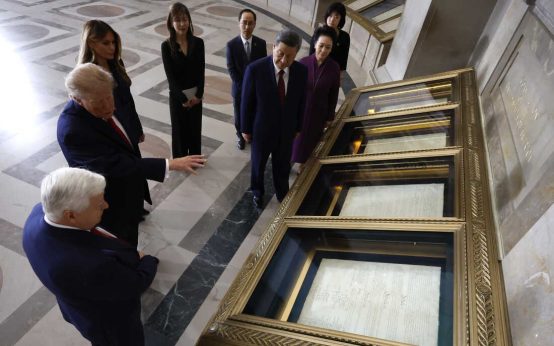 Sensitive Discussions During Trump’s National Archives Visit with Xi Jinping
 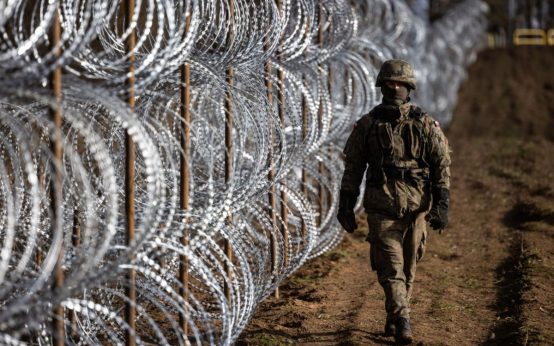 Escalating Tensions Between Russia and the UK
 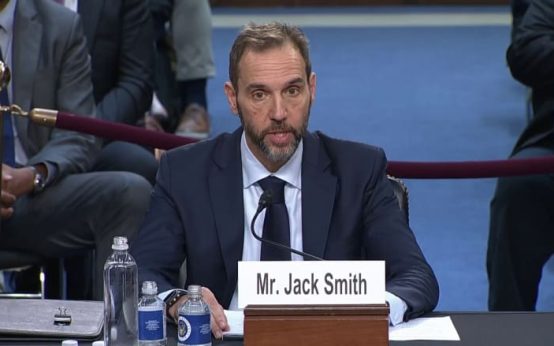 Key Events in Politics and Technology: U.S. and U.K. Developments
 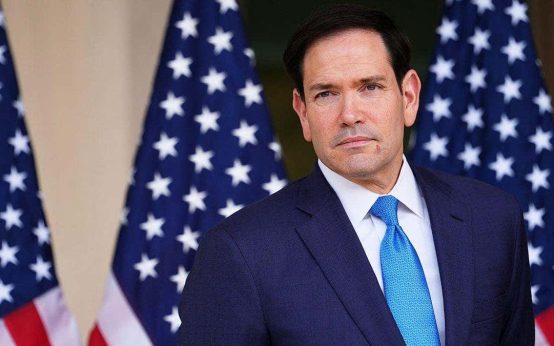 Secretary of State Rubio Comments on Recent UK Terror Threat
  New Developments in Ayotzinapa Case: 17 New Suspects Identified
 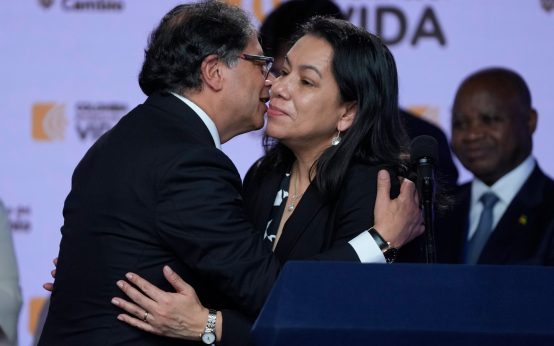 Concerns Arise Over Rodrigues-Birkett in Race for UN Secretary-General