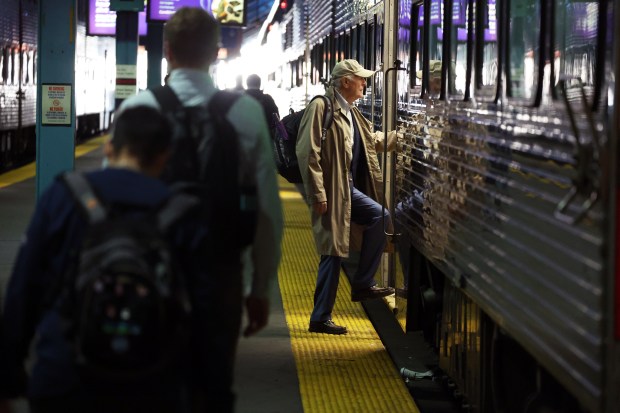
The Chicago area is embarking on a significant transit overhaul with landmark legislation aimed at preventing service cuts for CTA, Metra, and Pace. The law, effective today, anticipates generating approximately $1.5 billion annually for public transit. The legislation also transforms the governance of these agencies.
In a move to enhance coordination among transit agencies, the Regional Transportation Authority will be replaced by the Northern Illinois Transit Authority. This change was part of the legislation debated in Springfield last year under the mantra ‘No funding without reform.’ Lawmakers hope for improved service for bus and train riders through this reform.
Today, board members of the Regional Transportation Authority are expected to approve a 0.25 percentage point increase in the RTA sales tax in Cook County and neighboring areas. This tax adjustment aligns with the requirements of the new legislation.
What Does the Legislation Do?
The legislation aims to prevent drastic service cuts by securing $1.5 billion annually for public transportation. The CTA had warned of significant service reductions due to a budget gap caused by reduced ridership and the depletion of federal aid from the pandemic. Metra and Pace faced similar fiscal challenges.
With the infusion of new funding, the transit agencies have pledged to maintain, if not increase, train and bus services. The extensive legislation introduces numerous requirements for transit agencies, ranging from protective ‘bus shields’ for drivers to studies on expanding routes like the Metra Electric Line to Kankakee and opening a new Green Line station in Englewood.
Governance Restructure
The legislation restructures the governance of transit agencies, creating the Northern Illinois Transit Authority to replace the RTA. This new body is designed to empower agencies to cooperate in service coordination. Current board members’ terms end on September 1, although reappointment is possible.
Significantly, the new law reduces the influence of the Chicago mayor over CTA leadership. Recently, Mayor Brandon Johnson attempted to appoint a permanent head for CTA, which has been led by an interim leader for over a year. However, the CTA’s board had not publicly responded to his proposal by Monday.
Funding Sources
Illinois lawmakers decided to redirect funds typically allocated for road projects to public transit. This includes $860 million from sales tax revenue on motor fuel and $200 million from interest on the state’s road fund. Additional revenue is expected from the proposed sales tax increase by the RTA board. A 45-cent-per-toll hike on the Illinois Tollway will compensate for the funds diverted from road projects.
Impact on Transit Riders
Transit riders can expect no fare hikes, enhanced law enforcement presence, and service improvements this year. CTA plans to boost bus service frequency on certain routes and invest in mitigating slow zones, potentially facilitating faster commutes. Metra is also enhancing service on its Rock Island line, serving the Chicago to Joliet route.
A notable share of new funding will increase law enforcement staff, particularly on CTA systems, contributing to rider safety and improved transit experiences.
 Penn State Fraternity Members Charged in Cocaine Ring Bust
  Orland Park Plans New Traffic and Emergency Measures
  Texas Man Charged with Capital Murder in Shooting of 5-Year-Old
  Far-Left Groups Allegedly Organize Protests in Austin
  Austin Police Release Footage of Arrest After ICE-Involved Shooting
  Himalayan Pilgrimage: A Couple’s Narrow Escape and Lingering Questions