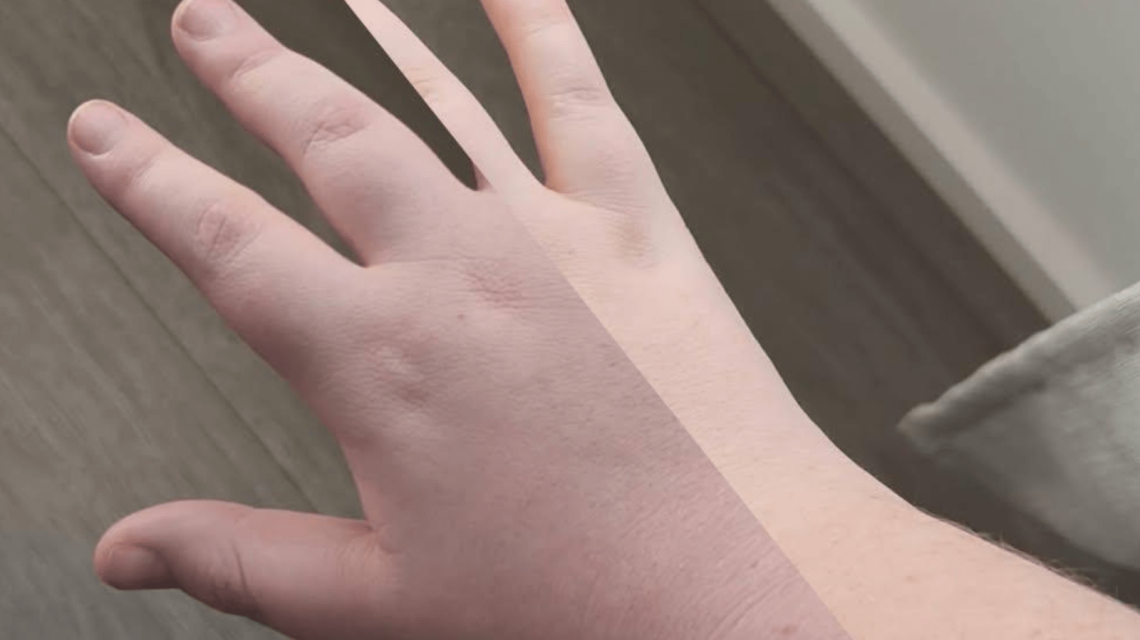
Elizabeth Lynch, a 28-year-old artist from Melbourne, Australia, is shedding light on the challenges posed by rare medical conditions. Lynch, known for her creativity in art, photography, and graphic design, faces a condition that severely impacts her life’s work. Her talents rely heavily on her hands, but the pain from a debilitating condition called Ehlers-Danlos syndrome (EDS) has made her hobbies and profession unbearable.
EDS is a genetic disorder that leads to joint issues and chronic pain. Despite these challenges, Lynch managed to build a career doing what she loves. However, in recent years, her symptoms have worsened, raising suspicions of an additional underlying problem. She began experiencing neck, shoulder, and arm pain, followed by numbness, tingling, weakness, and swelling. Simple tasks became difficult, affecting her ability to hold items, including a pen and camera.
Her journey led to a diagnosis of Thoracic Outlet Syndrome (TOS), where the arteries and nerves between her neck and arm get constricted, obstructing blood flow and exacerbating nerve pain. This rare condition, more prevalent following physical trauma or chronic repetitive motions, is challenging to diagnose. Typical symptoms include numbness, tingling, pain, and skin changes.
“Photography became extremely difficult because even holding a camera up and supporting its weight could flare my arm,” Lynch explained. “I went from being highly independent and active to needing help with basic tasks.”
Initial TOS treatments often involve physiotherapy, but Lynch’s symptoms worsened with regular therapy, requiring significant interventions. In December 2025, she underwent major surgery, including the removal of her first rib and scalene muscles, and decompression of the brachial plexus. Although the surgery provided some relief, Lynch still experiences pain and faces further surgeries.
Lynch actively shares her experiences online to raise awareness about TOS and EDS. Her public posts highlight the impact of lifting her arm, illustrating drastic skin color changes due to nerve and circulation issues. Lynch’s advocacy underscores the importance of awareness for securing accurate diagnoses and appropriate treatments, especially for misunderstood symptoms.
Navigating rare conditions demands persistence in finding knowledgeable specialists and advocating for essential testing and treatment. Lynch’s goal is to protect her nerves enough to restore some function and pursue her passion for art and photography without constant pain.
 Woman Captures Unexpected Sturgeon Encounter in Florida River
  October Social Security Payment Schedule and Updates
  Understanding Mindfulness-Based Stress Reduction: Insights from Jon Kabat-Zinn
  Missouri’s Ongoing Abortion Amendment Debate
  Melinda French Gates Shifts Philanthropic Focus to Midlife Care for Women
  Cindy Crawford’s Son Presley Gerber Dies in Rehab