
Six years have passed since the Abraham Accords were signed at the White House, marking a significant moment of normalization between several Arab nations and Israel. This agreement, formalized during President Donald Trump’s first term, aimed to open new avenues of cooperation and understanding in the Middle East.
In the United Arab Emirates, the Jewish community has witnessed substantial growth. The agreement paved the way for kosher restaurants and public celebrations of Jewish culture, including openly celebrated High Holidays. Furthermore, the UAE’s first public synagogue was established, showcasing strengthened intercultural relations.
Despite these positive developments, there is a mix of frustration and gratitude within the region. Some officials, speaking privately, have expressed dissatisfaction stemming from various political and socio-economic factors connected to the accord. Simultaneously, gratitude remains for the security assistance provided, which has been a cornerstone in the evolving partnership with Israel.
The Abraham Accords have undeniably shifted the geopolitical landscape, bringing about both tangible benefits and challenges. These complex dynamics continue to shape the dialogue and relationship between the region’s nations and Israel.
 Trump Administration Considers Diesel Export Ban Amid Rising Prices
 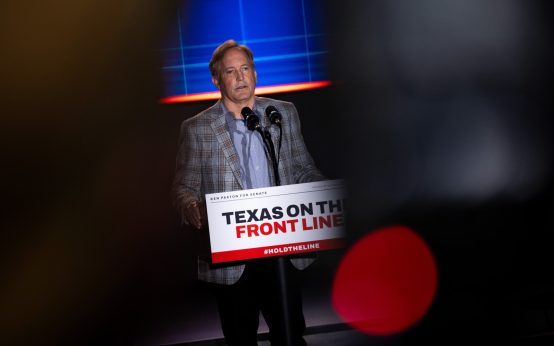 Texas Senate Race Tightens with Shifting Youth Support
 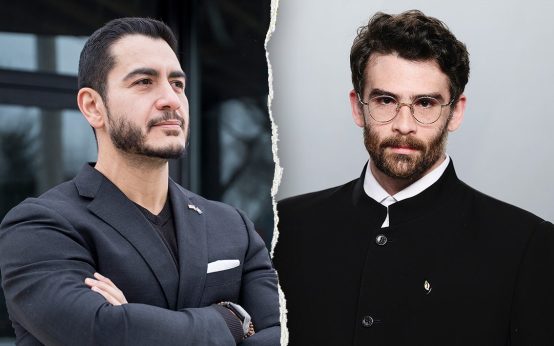 Flight 93 Hero’s Father Criticizes Ties Between Hasan Piker and Abdul El-Sayed
 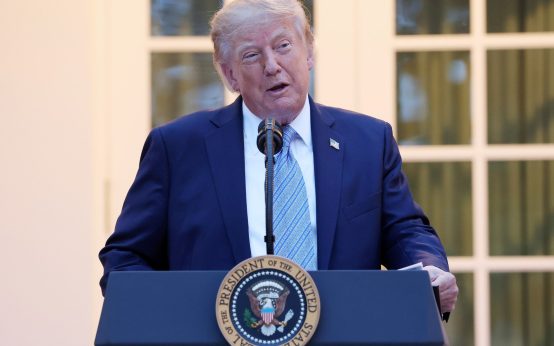 House Races Shift Amid Democratic Momentum
 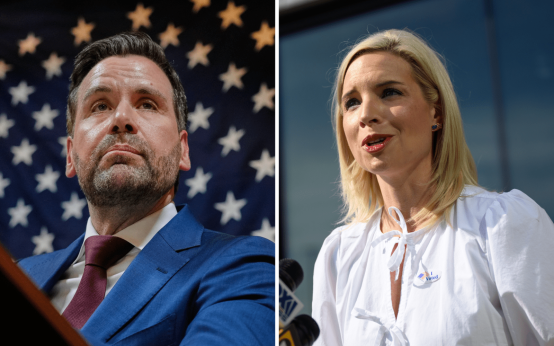 Iowa Senate Race: Marist Poll Shows Democrat Josh Turek Leading Republican Ashley Hinson
 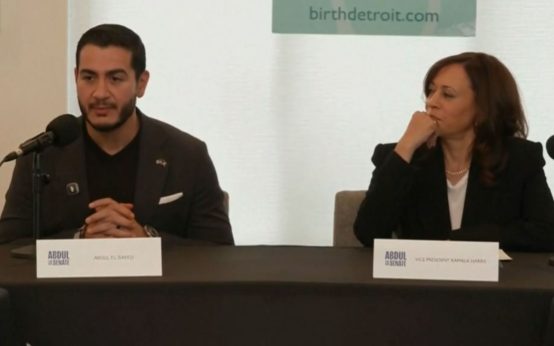 Kamala Harris and Abdul El-Sayed Campaign Together in Detroit