
Democracy functions under transparency and accountability. Despite numerous challenges, both foreign governments and U.S. lawmakers have mechanisms to hold the U.S. president accountable for their actions.
On September 22, during the United Nations General Assembly, U.S. President Donald Trump issued direct threats. He spoke about potential military interventions in Latin America to protect U.S. interests and threatened the destruction of Iran, targeting both its government and citizens.
Such proclamations conflict with international law standards. The U.N. Charter, to which the U.S. is a signatory, forbids threats and acts of aggression. International humanitarian law, entrenched in U.S. legal frameworks, specifically prohibits actions that threaten civilian populations indiscriminately.
Trump’s statements to a global audience, comprising diplomats and heads of state, demonstrated a willingness to disregard these international and domestic legal standards. These utterances could be considered violations of established laws, stressing the need for accountability and adherence to democratic principles.
 Congressional Approval of Modernization Request with Conditions
  The Nebraska Test: How to Assess Political Promises
  Harris Voters Increase Cynicism Toward Elites Since 2024
 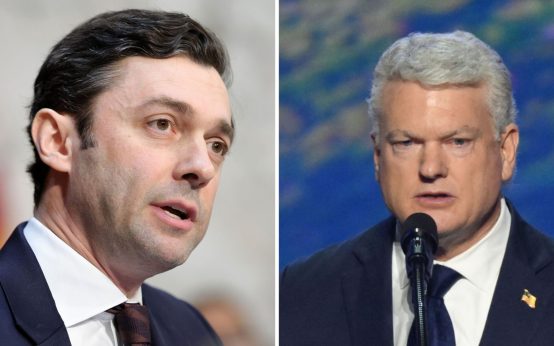 Democrats Battle to Maintain Senate Seat in Georgia
 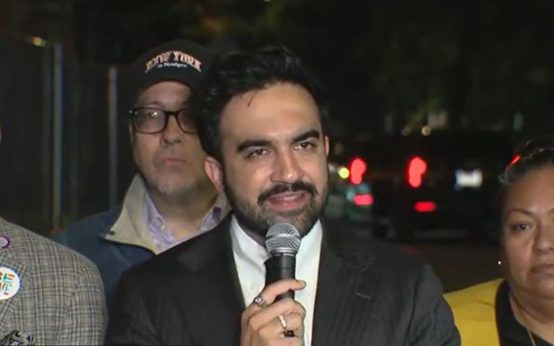 NYC Mayor Calls for End to ICE Operations After Shooting Sparks Protests
 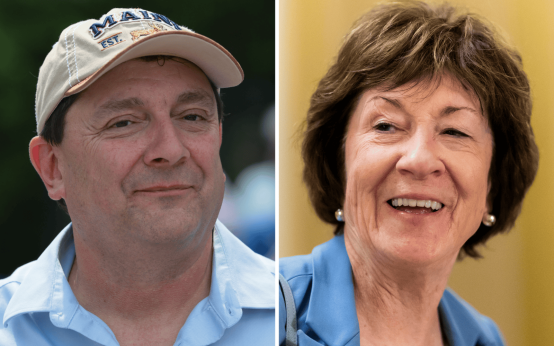 Susan Collins and Troy Jackson Face Off in Heated Debate