
Around one in 300 women are exposed to GLP-1 medications during pregnancy according to the American College of Obstetricians and Gynecologists (ACOG). However, the effects of these weight-loss drugs on pregnancy or the fetus remain uncertain.
Concerns have been raised by lawsuits and studies regarding the potential side effects of GLP-1s. In response, ACOG released guidance in late October. They recommend discontinuing GLP-1 use one to two months before pregnancy. If breastfeeding, mothers should carefully monitor their infant’s neonatal weight gain if using GLP-1s. ACOG advises against using GLP-1 medications while breastfeeding preterm infants.
Existing research does not suggest a high risk of congenital issues from GLP-1 use before and during pregnancy. However, ACOG notes there is limited safety data to reach definitive conclusions. Studies do not indicate GLP-1 presence in human milk. Despite this, both obesity and malnutrition can affect breast milk composition. ACOG advises parents to discuss a care plan with physicians if using GLP-1s postpartum.
This is a fast-moving area of research, so we need to proceed with caution and reassess as more data becomes available,said Yvette LaCoursiere, a professor of obstetrics, gynecology, and reproductive sciences at the University of California, San Diego, and an author of the guidance.
 Managing Holidays While on GLP-1 Medications
 Highlights from Recent News Stories
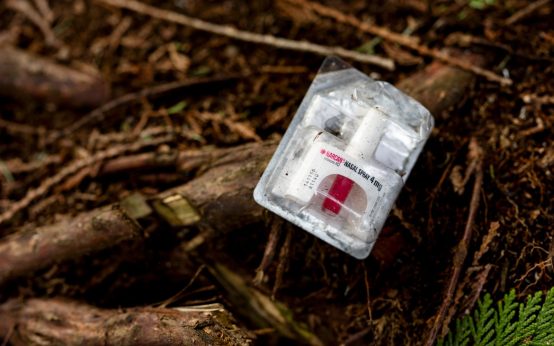 DEA Dismantles First U.S. Large-Scale Nitazene Lab
 Trump Open to Bipartisan Health Care Plan with Democrats
 Ty Pennington’s View on Home Renovation and Health
 Building Resilience Amid Stress and Uncertainty