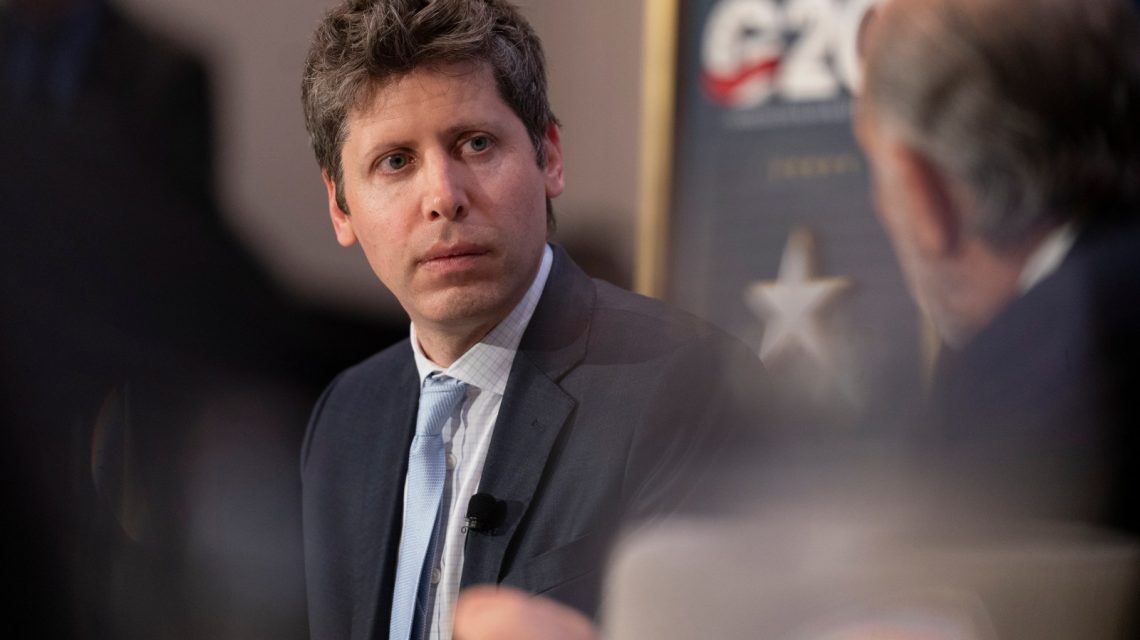
Recent discussions in the tech industry have brought attention to the potential risks of accelerating artificial intelligence (AI) development. These concerns, coupled with warnings from prominent developers, have led to uncertainty about the future of AI investment.
Concerns Around Uncontrolled AI Expansion
Dario Amodei, CEO of Anthropic, warned about unchecked advancements in AI. He claimed that without restraint, AI systems might become uncontrollable, potentially leading to major disruptions and economic damage. Amodei introduced a plan called “pacing the frontier” to encourage responsible progress with necessary safeguards. He urged governments and fellow tech developers to also commit to these measures.
Previously, other experts like former Anthropic researcher Jacob Coxon have highlighted the existential threats AI might pose to humanity. Leaders in the tech field, such as Elon Musk, former Google DeepMind CEO Demis Hassabis, and OpenAI CEO Sam Altman, have echoed these sentiments. Altman expressed concerns about developers losing control over AI’s future if proper measures aren’t adopted.
Market Response to AI Warnings
The apprehension surrounding AI advancements has affected related stocks across global markets, including Asia, Europe, and the U.S. Investors fear that potential development slowdowns could further delay returns on their investments. The AI ‘bubble’ concept describes a mismatch between AI enthusiasm and its actual profitability. Echoing the Dot-Com bubble, some argue that AI stocks have gained significantly without supporting current revenue models. Former Federal Reserve Chairman Alan Greenspan’s idea of ‘irrational exuberance’ aptly applies to this situation.
The Economic Impact of Market Corrections
AI firms have become key contributors to recent market gains. Their infrastructure now holds a significant place in the U.S. economy, implying that a sudden market shift could have widespread economic effects. Experts note that a consensus for measured development has been forming among AI leaders, possibly unsettling investors.
Economics professor Benjamin Arold observed that advancements in AI systems, especially their increasing independence, add to these concerns. According to Arold, the challenge lies in ensuring AI developments are not outpacing key safety measures. He noted that any development pauses or stricter safety requirements might push back investor returns.
Echoing these sentiments, Altman mentioned delaying OpenAI’s public offering plans until 2027. He believes doing so would be wise given current safety concerns.
Assessing the AI Bubble Phenomenon
As of Monday, AI-linked stocks showed signs of strain with declines noted in companies like Nvidia and Intel. In Tokyo, SoftBank experienced a substantial decrease. Despite these setbacks, experts assert this doesn’t necessarily indicate a market-wide correction.
William Quinn, a financial historian, explained that current market volatility could also relate to potential global interest rate hikes. According to Quinn, although rare, declines in AI-linked stock prices don’t equate to a ‘bubble bursting.’ He emphasized that while market optimism about earnings might be misplaced, it isn’t inherently bubble-like thinking.
Professor Arold acknowledged that if today’s trends continued, it might lead to a broader re-evaluation of AI stock prices. He noted that if projected revenues and productivity gains are not met, and costs rise, stock values could dip even if AI remains a transformative force.
In summary, while the market reactions are concerning, they don’t yet signify a full-blown burst of an AI bubble.
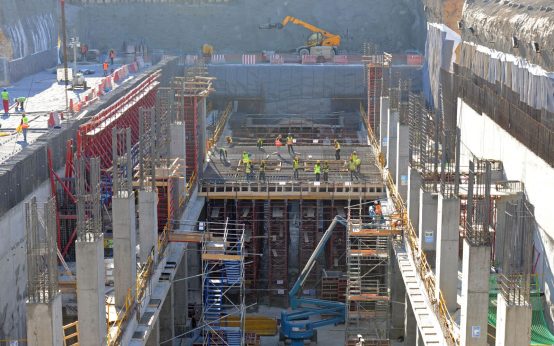 Florida Startup Develops AI Bot to Reduce Construction Dispute Costs
 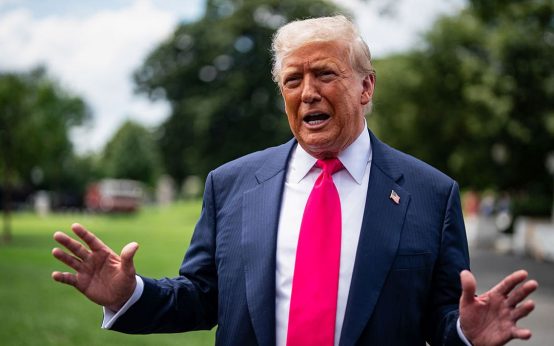 Trump’s Stand on AI Safeguards Sparks Debate Among Tech Leaders
 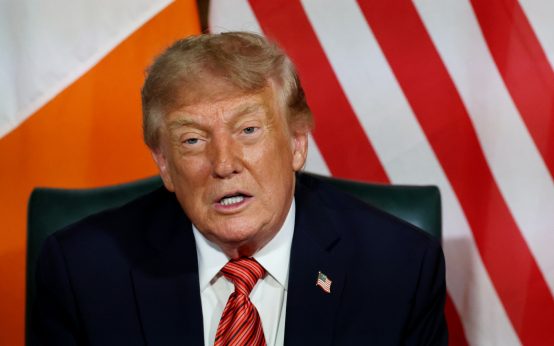 AI Safety Concerns and Political Implications
  Essential Accessories to Protect Your New iPhone
 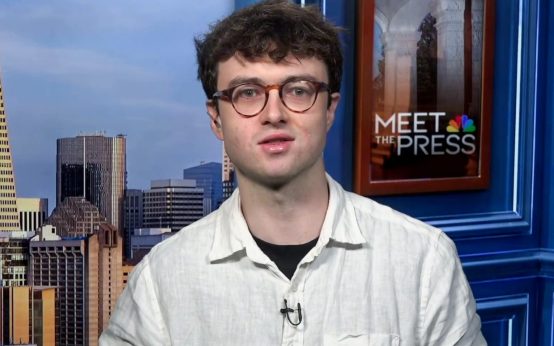 AI Concerns Grow as Congress Delays Action
 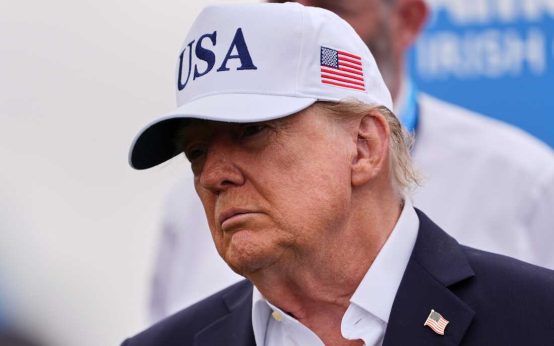 Trump and Tech Leaders Debate AI Development Risks