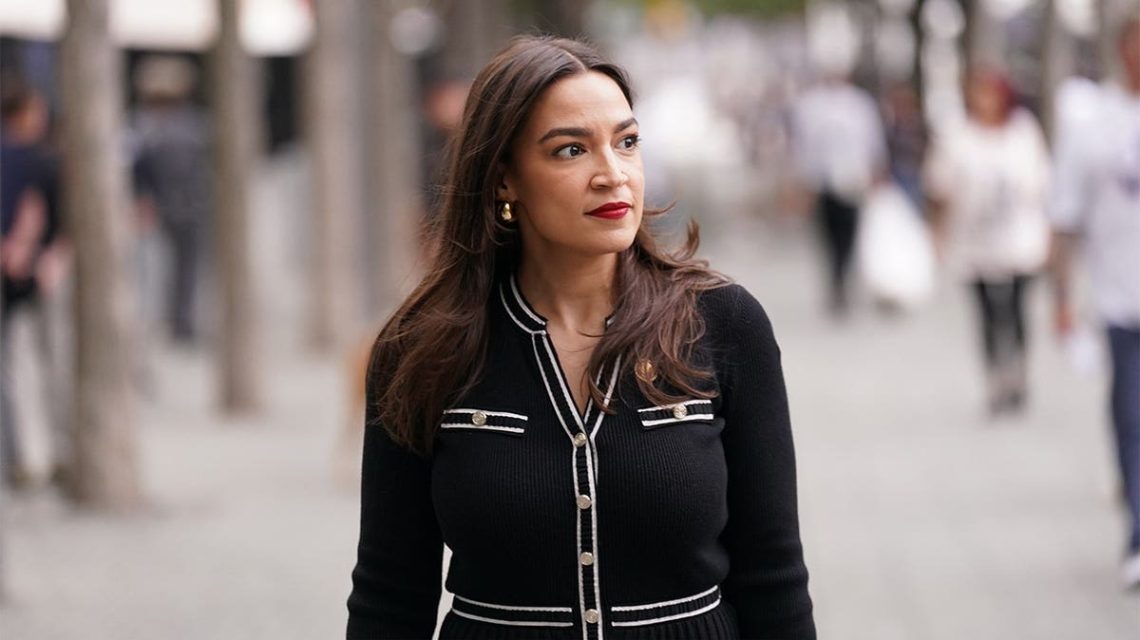
Rep. Alexandria Ocasio-Cortez has sparked discussion with her comments on a potential 2028 presidential run and her consideration of a primary challenge against Sen. Chuck Schumer. Recent polling indicates she is a leading contender for the Democratic primary in 2028.
In an interview with The New York Times, Ocasio-Cortez shared concerns about how race and gender could impact her potential candidacy. She expressed awareness of the challenges faced by being a Latina woman in a political climate shaped by a regressive administration. The issue of electability remains a key consideration for her.
“I’m not naïve to the fact that we are living under a very regressive administration, and I happen to be a woman, and I, you know, happen to be Latina,” Ocasio-Cortez said.
Ocasio-Cortez, currently 36 years old, acknowledged contemplating a White House bid, weighing personal and political factors.
The progressive congresswoman pointed out the historical absence of a female president in the United States and criticized what she perceives as denialism regarding gender as a factor in presidential elections.
She mentioned how discussions on race and gender are often misinterpreted as complaints or excuses. This perception discourages open dialogue on the subject.
Ocasio-Cortez’s potential candidacy has drawn attention from both supporters and critics. LinkedIn co-founder Reid Hoffman noted her pragmatic approach, suggesting it might be more nuanced than generally perceived.
Far-left streamer Hasan Piker expressed support for Ocasio-Cortez’s candidacy if she decides to run in 2028.
Polling results from the University of New Hampshire Granite State in July showed Ocasio-Cortez ranking ahead of potential candidates like Pete Buttigieg. The polling average in September placed her among leading figures, though Kamala Harris remains the front-runner.
Judy Pino, an advisor on Hispanic issues, challenged the focus on Ocasio-Cortez’s gender and ethnicity when evaluating her candidacy. She emphasized the importance of Ocasio-Cortez’s policies over identity, highlighting debates around democratic socialism.
Latino voters appear more concerned with Ocasio-Cortez’s political stance than her gender or ethnicity. This shifts the conversation from the readiness for a Latina president to the direction of American politics.
 Rep. Donalds Distances Himself from Trump as Florida Governor Race Tightens
  Controversy Surrounds President Trump’s Proposed D.C. Arch
  Texas Senate Race: Democrat James Talarico’s Unexpected Lead
  Senators Urge Action to Free Imprisoned Journalist in Iran
  Tensions Rise as Democrats Break Ranks on Key House Votes
  Trump Highlights U.S. Strengths in U.N. Address