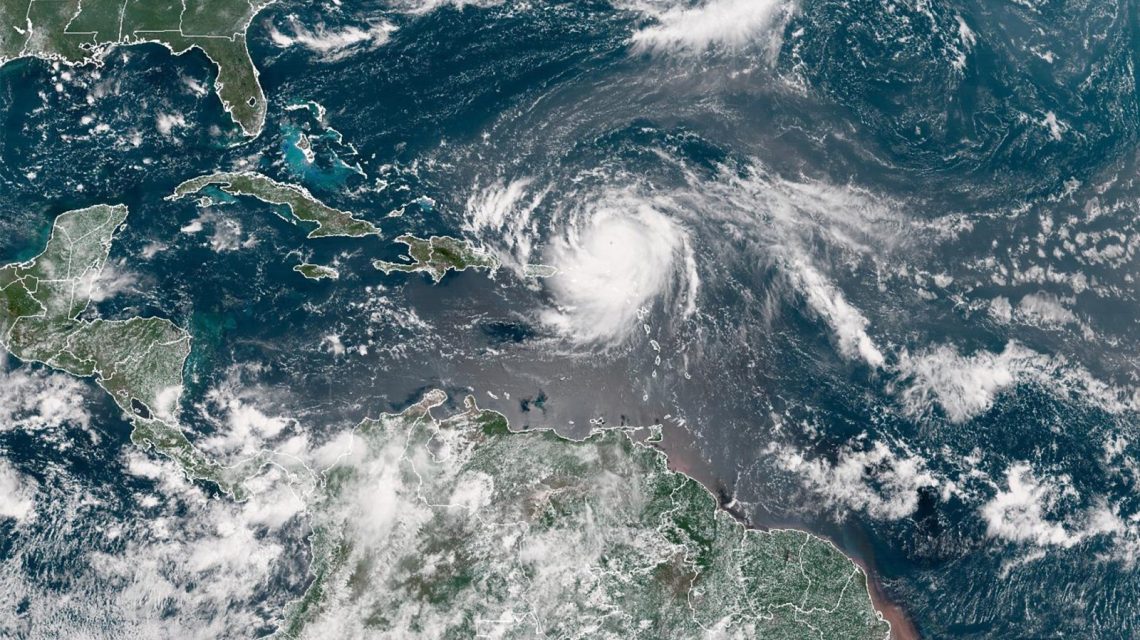
The Atlantic basin might experience its first hurricane-free season in over a century, as highlighted by recent forecasts from AccuWeather. If no hurricanes develop before the season concludes, this would be unprecedented.
Federal meteorologists have predicted that El Niño will strengthen through the year’s end. There’s more than a 90% chance it will become a strong event during fall and winter. This aligns with earlier forecasts of a below-average Atlantic hurricane season, partly influenced by El Niño’s impact.
Understanding El Niño and Its Impact on Hurricanes
El Niño represents the warm phase of the El Niño-Southern Oscillation (ENSO), a repeating climate phenomenon in the Pacific that affects global weather patterns. Its counterpart is La Niña, the cycle’s cooler phase.
El Niño typically brings stormy weather to the Southern U.S., drier conditions to some northern regions, and influences hurricane activity. Matthew Rosencrans, from the NOAA, notes, “El Niño conditions lead to fewer tropical storms and hurricanes in the western Atlantic Ocean Basin. However, they increase such activity in the eastern and central Pacific hurricane seasons.”
A Potential 100-Year Record for the Atlantic Hurricane Season
AccuWeather informed Newsweek that no Atlantic hurricane had formed by September 10, the season’s peak. Forecasters indicated a low chance of one forming by September’s end.
“The possibility that the Atlantic could witness its most active month without a hurricane is what makes this season stand out,” remarked Alex DaSilva, AccuWeather’s lead hurricane expert.
Atlantic records only two seasons without a hurricane: 1907 and 1914. Both occurred before the satellite era, where advanced technology aids meteorologists in storm identification and tracking.
Additionally, AccuWeather stated the latest a first hurricane formed in the satellite era was on September 11, as seen in 2002 and 2013. A later development this year would set a new record.
Current Season Overview and Predictions
Five named storms have emerged this year, none reaching hurricane strength. Persistent wind shear, dry air, and Saharan dust plumes are contributing factors.
Still, AccuWeather warns tropical and rainstorms might arise, potentially causing flooding, wind damage, rough seas, and other significant disruptions, even if they don’t become hurricanes.
The Atlantic hurricane season extends until November 30. Should no hurricane form in September, the chance remains until October or November, though tropical activity usually wanes then.
From data since 1966, around 24% of Atlantic hurricanes have formed post-September, but this drops to 19% during El Niño years.
AccuWeather meteorologist Nicholas Arman noted increasing wind shear as a major late-year barrier to Atlantic tropical development. An active jet stream can escalate shear, while early cold fronts may cool ocean waters. Moreover, reduced solar energy affects the Atlantic’s main development region, making storm formation and strengthening more challenging.
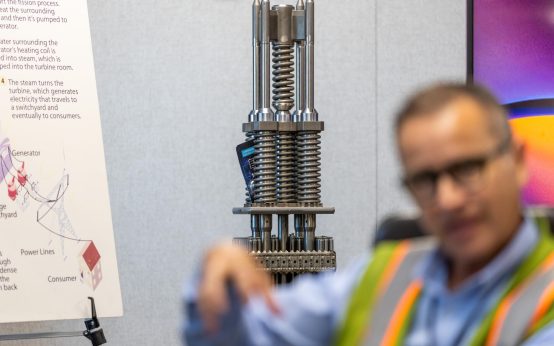 Nuclear Waste Concerns at San Onofre: Coastal Erosion and Long-term Solutions
  Progress and Challenges of the Marquette Greenway Trail
 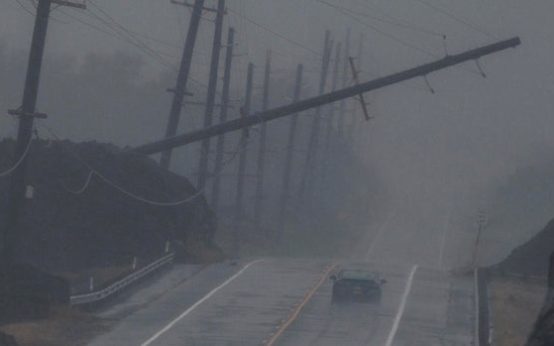 Record Quiet Hurricane Season in the Atlantic Due to El Niño
 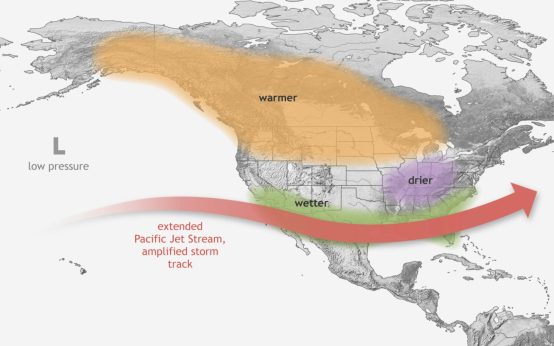 Increased Winter Weather Expected in Major Cities Due to Strengthening El Niño
  Lobster Boats and the Surveillance Debate
  Impact of Construction on Big Bend National Park’s Border