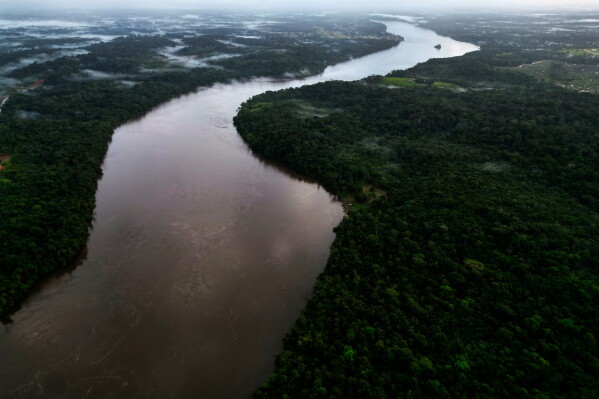
Brazil’s Supreme Court recently delivered a decision affecting the future of the country’s soy moratorium. This ruling supports state laws that withhold tax incentives from farmers adhering to the moratorium agreement, which prohibits purchasing soy cultivated on newly deforested Amazon land. However, the court upheld the constitutionality of the voluntary pact.
Earlier in the year, major grain traders withdrew from the moratorium following legislative changes in key soy-producing states that removed tax benefits for compliant companies. With Brazil as the largest soybean producer, providing approximately 40% of global soy, this decision has significant implications. The Amazon biome, crucial for ecological balance, spans key agricultural regions like Mato Grosso, Para, and Rondonia.
The Amazon rainforest plays an essential global role in climate regulation. Reducing forest cover may lead to increased global warming and affect agriculture worldwide, including areas like the U.S. Midwest and parts of Europe. Brazil is projected to produce 171.5 million metric tons of soy in the 2024-25 season, with China as the leading buyer of these exports.
Initiated in 2006 in response to environmental and international pressures, the soy moratorium was a voluntary agreement. Major soy traders, along with Brazilian government backing, committed to not purchasing soy grown on land cleared post-July 2008. Although producers have long criticized the moratorium for being more stringent than Brazilian environmental laws, it significantly reduced deforestation by 35% in risk zones within its first decade without reducing productivity, as reported in the journal Science. Ending the pact could potentially cause the deforestation of up to 1.4 million hectares (3.5 million acres) in the next decade, risking an area the size of Portugal.
Deforestation in Brazil had decreased after peaking in the 1990s and 2000s. Under President Jair Bolsonaro from 2019 to 2022, environmental protections weakened, but deforestation rates have declined once more under President Luiz Inácio Lula da Silva. Greenpeace Brazil legal coordinator, Angela Barbarulo, praised acknowledging the moratorium’s constitutional value yet criticized the support of state policies that penalize higher environmental commitments despite legal permissibility.
“There is an apparent contradiction between recognizing the environmental importance of the soy moratorium while simultaneously validating state laws that can weaken its effectiveness,” she stated.
The Brazilian Association of Vegetable Oil Industries (ABIOVE) viewed the Supreme Court’s verdict as resolving legal uncertainties while endorsing voluntary sustainability promises by traders. However, their language suggested the moratorium would not be revived, and they foresee a new phase of dialogue prioritizing legal clarity, competitiveness, and sustainability.
The Mato Grosso Soy Producers Association, opposing the moratorium, indicated the decision supports state rights to resist private environmental impositions exceeding legal requirements. They remain committed to contesting any future efforts reinstating these restrictions.
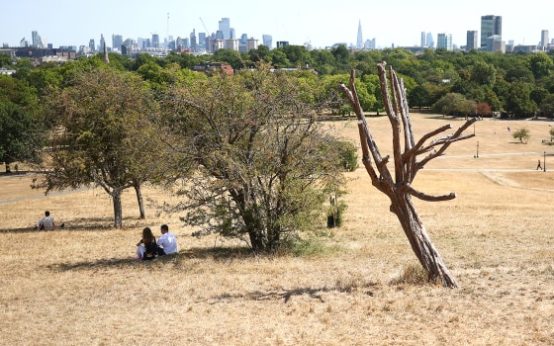 Drought and Heat Waves Transform London’s Parks
 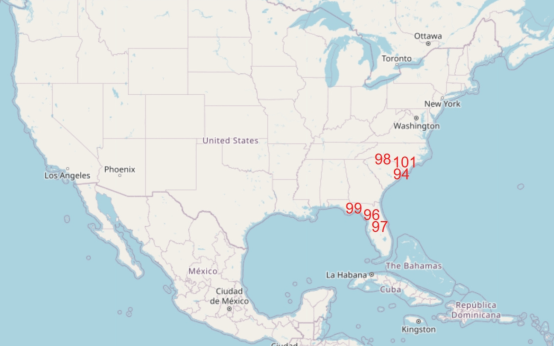 Intensifying Heat Dome Puts Southern U.S. on Alert
  Impacts of El Niño on Vibrio Vulnificus Risks
  Southeast Faces Near-Record Heat Dome
 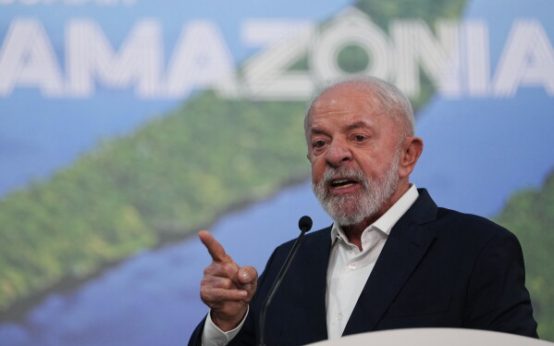 Brazil Supreme Court to Review Cases Affecting Amazon and Indigenous Rights
  The Enduring Legacy of Jackie, the Beloved Bald Eagle