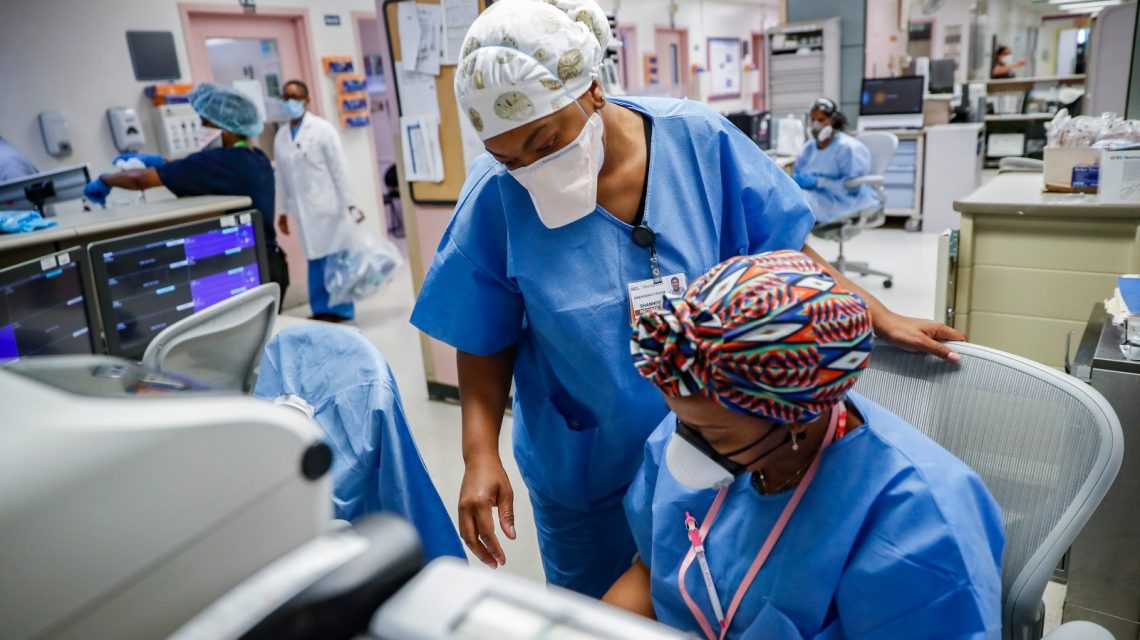
Imagine a health care system that isn’t congested with crowded waiting rooms but functions as an effective triage hub. In this environment, patients receive timely care to prevent their conditions from worsening. Nurses can act immediately based on patient vitals without waiting for layers of approval. Primary care teams proactively reach out to patients with chronic conditions to avert crises. Elderly patients, after surgery, return to a supportive network rather than facing discharge into uncertainty. Informed citizens, equipped with the knowledge to manage their health, seldom require emergency services.
This vision isn’t fantasy. It exists in fragments through the efforts of dedicated individuals and teams who reject the current norm. The central question is not its feasibility but rather how to make this system standard practice.
The initial articles in this series established a framework. Health care is complex, behaving less like a machine and more like an adaptive system that drifts toward fragility with excessive control. Self-organized criticality explains unexpected collapses in seemingly stable systems and emphasizes the importance of architecture over sheer resources. Value-based care is described as an operating model, aligning countless decisions towards the common goal of improved outcomes across the care continuum. Yet, these alone are insufficient. System transformation requires human initiative.
Changes Needed in Practice
Three critical changes are necessary, each demanding courage:
- Clinicians Reclaim Professional Agency: Clinicians must restore their professional judgement, which has eroded over decades of protocol-driven medicine. Outcome-oriented environments allow clinicians to practice with a renewed purpose, emphasizing effective care over increased activity. This involves engaging with outcome data to genuinely improve patient health across their care trajectory.
- Citizens Accept More Empowering Roles: Citizens need to understand their crucial role in managing their health, particularly with chronic diseases. Health care systems must evolve from viewing patients as passive recipients to empowering individuals as active participants in their health management. This shift requires substantial education, fostering health literacy so individuals understand their biological health and navigate complex systems confidently.
- Leaders Make Politically Challenging Decisions: Transition to value-based care requires shifting away from fee-for-service models that sustain various interests. Leaders must have the courage to measure uncharted metrics, prioritize primary care, and invest in long-term prevention, even under short-term pressures.
Equity is an essential principle in this transformation. A system focusing on outcomes needs to address unequal distribution of these results actively. A resilient health care system will not only treat illnesses but foster informed individuals who actively engage with their health care.
Toward an Ambient Health System
The future envisions a proactive health system. This system supports individuals in daily life, ensuring continuous monitoring and early interventions before diseases develop. It promotes healthy choices at critical moments outside the clinical setting. The concept of an ambient health system isn’t about technology; it’s about integrating distributed intelligence and empowered citizens to create a closer relationship between health care systems and individuals.
With advancements in outcome measurement, digital infrastructure, and artificial intelligence, the vision of an ambient health system is closer than ever. Progress in value-based models across global contexts supports this evolution.
The necessary work involves translating understanding into scalable action. This doesn’t start in policy documents but in the interactions between clinicians and patients, and in leaders’ decisions protecting valuable preventive measures. Rebuilding the health system requires new expertise rooted in systems thinking and behavioral economics.
Emergency rooms overflow, clinicians experience burnout, and patients endure long wait times. These conditions are realities, yet not inevitabilities. Complex systems science indicates that health care’s failures stem from its outdated design rather than inadequate personnel. Rebuilding the system will demand effort but change is inevitable as many are unwilling to accept the status quo.
Sharing this series could spark vital conversations needed for impactful transformations.
 Struggles of a Family Battling a Rare Brain Cancer
  Effective Strategies for Post-Workout Recovery in Adults Over 35
  Understanding the Journey of FTD and ALS Through Personal Experience
  A Woman’s Battle with Rare Medical Conditions: Advocating for Awareness
  October Social Security Payment Schedule and Updates
  Shooting at South Los Angeles Senior Facility Leaves Three Injured