
California’s shift to electric vehicles (EVs) continues to progress, with an increase in chargers and vehicle models, as well as ambitious sales targets. However, developments in Washington are impacting the pace. The federal government is pushing to slow the EV transition and favor fossil fuels.
Impact on Climate Goals
California aims to achieve carbon neutrality by 2045 and reduce gas-powered vehicles on the roads. This focus on transportation is crucial since this sector is responsible for about half of the state’s greenhouse gas emissions. The state’s efforts face significant challenges from recent federal policies under the Trump administration. These include eliminating the federal tax credit for EV purchases and revoking California’s authority to set stricter emission standards.
Federal Actions and Its Impact
President Trump’s administration has dismantled California’s authority to enforce strict vehicle emission standards, leading to a slower shift to EVs. Auto manufacturers, such as Ford and Honda, have adjusted their plans due to federal pressure, impacting the market dynamics for EVs.
California’s Response
Despite these federal actions, Californians persist in their EV adoption. About 19% of new car sales in the state are zero-emission vehicles, considerably higher than the national average. Moreover, the state has introduced incentives to replace federal rebates, increasing the purchasing of both new and used EVs.
Legal and Environmental Challenges
California is battling in court to maintain its 2035 ban on new gasoline-powered car sales. This fight is crucial for the state’s environmental goals. Following the federal rollbacks, California faces increased nitrogen oxide emissions, further challenging its climate efforts.
Infrastructure and Charging Stations
The growth of EV charging stations is essential for increased EV adoption. California has surpassed the number of gasoline nozzles, with over 216,000 publicly available chargers. Fast-charging stations play a vital role as more people, including ride-hailing drivers, rely on public charging infrastructure.
Rivian’s Continued Commitment
Amid these challenges, Rivian, based in Irvine, remains dedicated to California. Despite the historical relocation of Tesla’s headquarters to Texas, Rivian continues to release new models like the R2. The company’s demand is strong, reflected in their increased vehicle delivery outlook.
Market Stability Concerns
Brian Gase of Rivian highlights how fluctuating policies create instability for automakers, who typically plan years ahead. The inconsistency of tariffs and materials supply adds further complexity to the EV industry.
California’s approach to addressing air quality through EV promotion shows a proactive measure toward improving public health and environmental conditions. However, state targets are at risk due to adverse policies emanating from the national level.
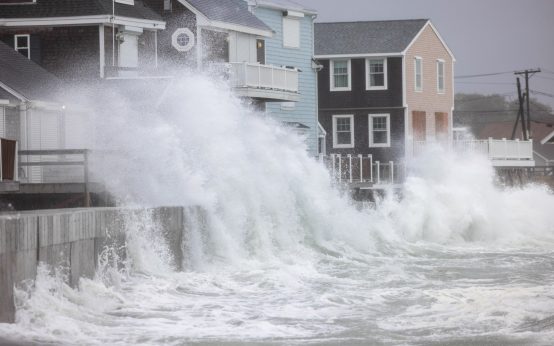 Nor’easter Threatens U.S. Coastal Areas Amidst Quiet Hurricane Season
 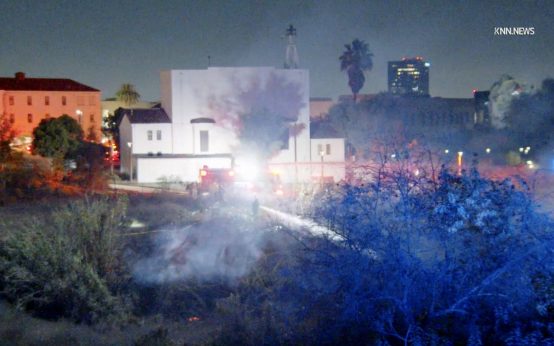 Southern California Faces Santa Ana Winds and Elevated Wildfire Risks
 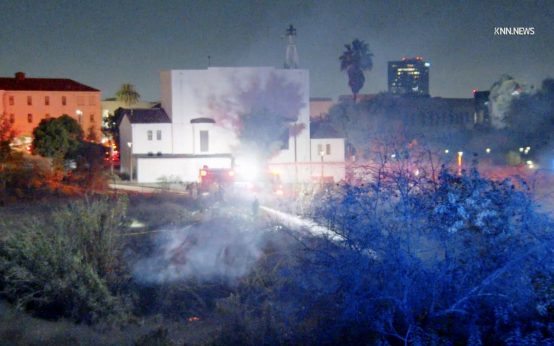 Santa Ana Winds and Wildfire Risks in Southern California
  Historic Preservation Advocates Battle Changes Threatening Landmark Protections
  Alaska’s Soil and Agricultural Challenges
 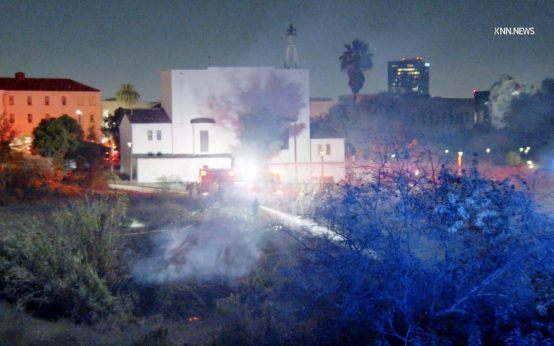 Southern California Faces Santa Ana Winds and Fire Risks