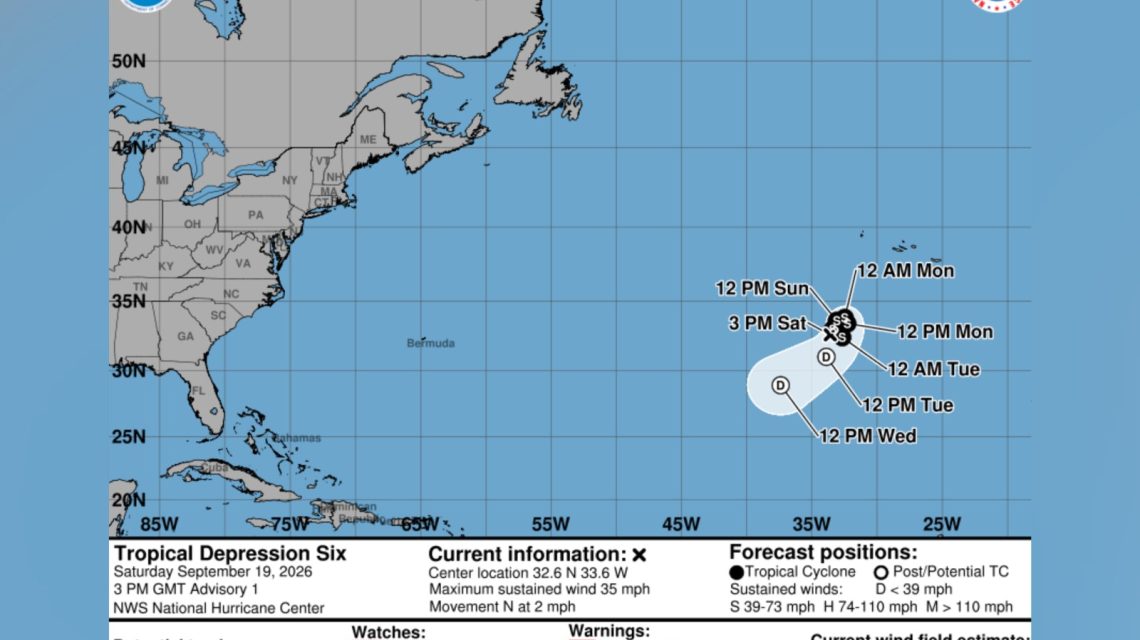
Forecasters at the National Hurricane Center (NHC) have confirmed the formation of Tropical Depression Six in the Atlantic Ocean. This system appeared on Saturday in the eastern subtropical Atlantic, an area previously monitored by the NHC for potential development. Its emergence follows an unusually quiet Atlantic hurricane season with no hurricanes reported, a condition meteorologists associate with El Niño.
Limited Development Expected
AccuWeather meteorologist Alexander Duffus explained to Newsweek that wind shear and dry air will limit the system’s development, predicting it will likely only reach tropical storm strength before losing intensity as the week progresses.
In its initial advisory, the NHC reported that Tropical Depression Six was positioned approximately 525 miles southwest of the Azores, moving slowly northward at two miles per hour. The agency predicts a northeastern movement over the next 24 to 36 hours, with a directional change to the southwest anticipated in a few days. Slight strengthening may occur within the next 24 hours, but subsequent weakening is expected.
The NHC noted the depression currently exhibits maximum sustained winds of around 35 mph, with occasional higher gusts. There are no coastal watches, warnings, or land threats at present.
Tropical Depression Six’s formation comes after five named storms in the Atlantic: Tropical Storms Arthur, Bertha, Cristobal, Dolly, and Edouard. If it becomes a tropical storm, it will be named Fay.
Tropical Depression vs. Storm
A tropical depression is defined by the NHC as a tropical cyclone with maximum sustained winds of 38 mph or less. Should winds increase to 39-73 mph, the system transitions to a tropical storm and receives a name. Attaining 74 mph or stronger winds classifies it as a hurricane.
Impact of El Niño on Hurricane Season
El Niño, the warm phase of the El Niño-Southern Oscillation (ENSO), influences global weather patterns. Its cooler counterpart is La Niña. Forecasters previously predicted a quieter Atlantic hurricane season due to El Niño, whereas the Pacific may experience more activity.
NOAA’s Matthew Rosencrans explained that El Niño conditions often result in decreased tropical storm and hurricane frequency in the Western Atlantic Ocean Basin while increasing activities in the Pacific.
 Discovery of Tilcayo Tiger Cat, a New Wild Cat Species in Bolivia
 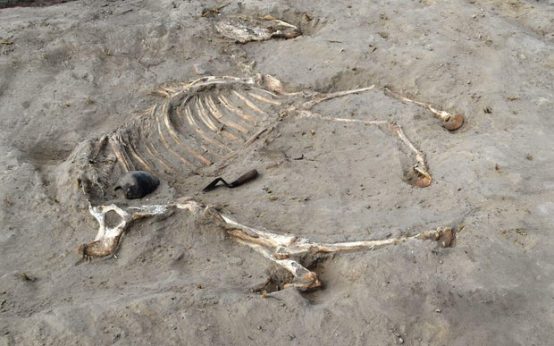 Ancient Egyptian Warhorse Burial Unearthed in Beheira
  Humpback Whale’s Grief Over Stillborn Calf Reveals Emotional Complexity
 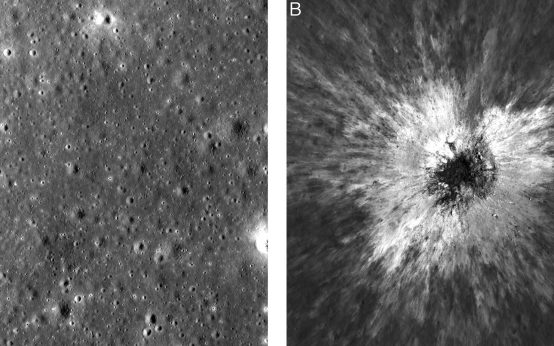 Discovery of Massive Lunar Crater Sheds New Light on Moon’s Surface
 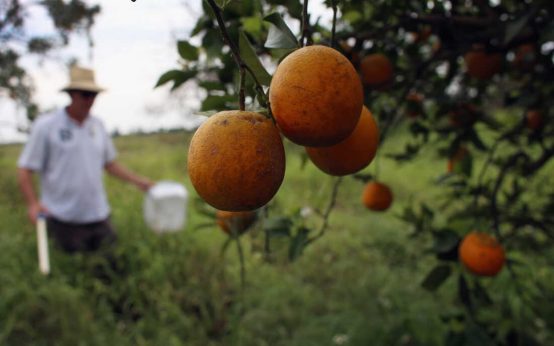 Florida Citrus Growers Use Gene-Editing to Combat Citrus Greening
 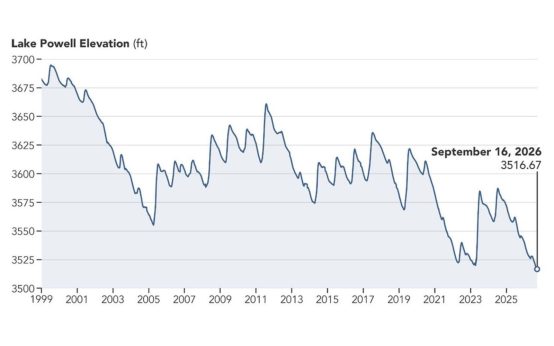 Satellite Images Reveal Lake Powell’s Dramatic Decline Over Nine Years