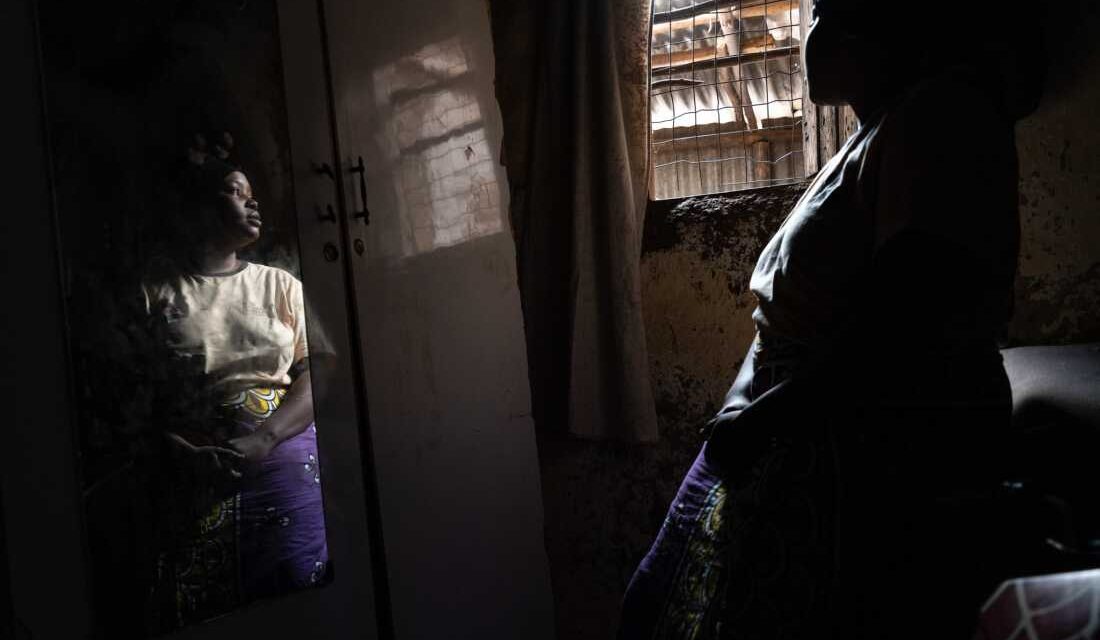
A Daily Struggle for Water
Zubedah Hassan, 32, resides in Kibera where she advocates for the Stop Sex for Water program. Her role involves urging women and girls to report sexual violence by water vendors or incidents in public bathrooms. Hassan highlights poverty as the root issue, noting that girls exchange favors for water due to economic constraints. Drought exacerbates these challenges, leaving schoolchildren vulnerable during morning water searches.
A Hair Salon’s Quiet Conversations
Early one morning, Saly Amutwayi opens her hair salon in Kibera, Africa’s largest slum near Nairobi. Before customers arrive, she chats with Mariam Hassan about the sexual violence they endured while fetching water. In Kenya’s informal settlements, residents rely on private vendors for water due to the lack of formal infrastructure.
This dependency exposes women to harassment and coercion, sometimes pressuring them into exchanging sex for water, known as ‘sextortion.’ Hassan fears for her 8-year-old daughter and stresses the importance of education on sexual harassment. Amutwayi believes in including men in these discussions.
Progress and Parliamentary Involvement
After years of advocacy, Kenya’s Parliament addressed the issue in 2024. It marked the first legislative consideration of this persistent form of gender-based violence. Kenya’s Constitution ensures access to clean water, but in Kibera, residents buy water from private vendors due to inconsistent public supply.
The Impact of Water Scarcity
Shortages lead to increased water prices and heightened risk of sexual violence. During such times, Amutwayi was nearly assaulted by vendors when she tried to buy water without enough money. Similarly, Hassan escaped an attempted assault by a vendor who misled her. Fear prevents many women from reporting these incidents to police.
Sex for Water Program’s Efforts
KEWASNET’s Stop Sex for Water program, launched in 2014, supports survivors and tracks water-related abuses in informal settlements. Public toilets often lack safety measures, forcing women to use makeshift facilities at night. Joan Kones from KEWASNET emphasizes that water reliance on informal systems leads to exploitation, particularly during droughts when water deliveries are sporadic.
Challenges in Reporting Abuse
Many survivors avoid reporting due to fear of retaliation and societal stigma. Malesi Shivaji from KEWASNET describes the normalization of these crimes in Kibera, complicating efforts for justice. Community worker Judith Shitabule focuses on counseling and educating women about their rights, though she acknowledges the difficulty in refusing demands when families need water.
Broader Consequences of Water Scarcity
Kibera’s situation reflects wider issues across Kenya, where over 19 million people lack reliable access to clean water. The informal systems and fluctuating prices compound the difficulty. International research indicates that when water becomes a commodity, opportunities for exploitation increase.
Legislative Challenges and Community Response
Despite Parliament’s discussion, no specific law against sextortion exists. A petition urging such a law was declined, citing existing laws on sexual offenses. Advocacy groups continue pushing for legislative change, recognizing that laws alone won’t resolve the underlying issue without broader systemic improvements.
The Influence of Water Cartels
Wycliffe Otiala, a cartel leader in Kibera, oversees a complex water distribution network. These informal groups control water supply by tapping municipal pipes, perpetuating a power dynamic fraught with danger for those unable to afford water. Otiala admits that violence against women is routine among his vendors.
The Vulnerability of Marginalized Groups
Beyond women, other marginalized groups, like transgender individuals, face discrimination and violence. A transgender man in Kibera recounted how vendors and residents often refuse him access, highlighting systemic bias and danger faced by the LGBTQ community.
Hope for the Future
Despite ongoing struggles, hope remains. Hassan focuses on her daughter’s future education as a means to escape this cycle. Amutwayi continues to navigate daily challenges but dreams of a safer environment. The investigation forms part of a broader project on women’s experiences with water scarcity in Kenya, aiming to spotlight these pressing issues.
 Texas Man Charged with Capital Murder in Shooting of 5-Year-Old
 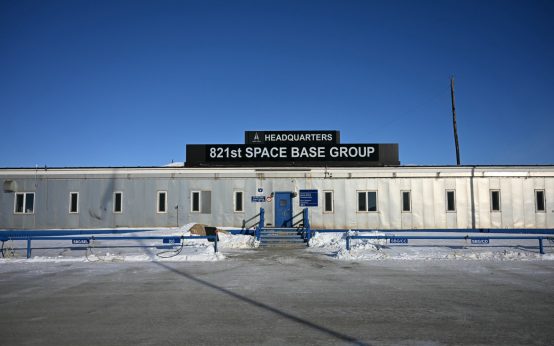 New U.S. Military Bases Planned in Greenland Amid Strategic Security Deal
 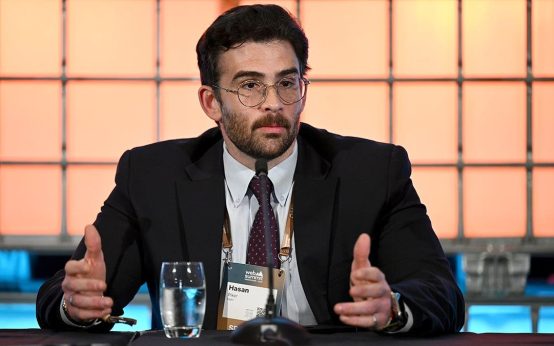 Twitch Streamer Hasan Piker Discusses Controversial Commentary
  A Shifting Political Landscape: The Decline of Autocratic Power
  Trump Delivers Warning to Iran, Cuba at UN General Assembly
  Lukashenko and Putin’s Unique Relationship and Belarus’ Strategic Role