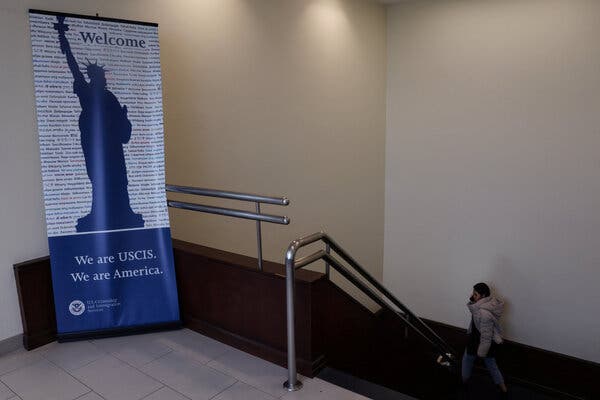
A new rule from the Trump administration could force many immigrants to return to their native countries to apply for green cards. This has led to confusion and concern among applicants and immigration lawyers who are struggling to understand its ramifications.
Changes to Green Card Application Process
On Friday, U.S. Citizenship and Immigration Services (USCIS), the agency responsible for the green card system, announced that only under ‘extraordinary circumstances’ would individuals already in the U.S. be granted permanent residence. This means most individuals must now apply at a U.S. consulate in their home country.
Immigration advocates expressed concerns that the rule change would significantly decrease green card applications. Last year, more than 800,000 recipients of the 1.4 million green cards issued were already in the U.S. Those individuals adjusted their immigration status domestically as part of the process.
Effects on Families
The new policy is particularly troubling for individuals married to U.S. citizens who are seeking permanent residence. Charles Kuck, an immigration lawyer and former president of the American Immigration Lawyers Association, noted that such individuals usually needed to resolve their immigration status before applying for a green card. Historically, they could do so while remaining in the U.S.
‘This is simply an attempt to slow immigration and make the process so unpleasant that you give up and return to your home country,’ Kuck stated.
Agency’s Defense of the Policy
Zach Kahler, a spokesman for USCIS, indicated that the policy was designed to close a loophole. This loophole allowed immigrants to stay in the U.S. illegally after being denied residency.
 Trump Delivers Warning to Iran, Cuba at UN General Assembly
  Trump Delivers Stern UN Speech on Iran, AI, and Global Security
 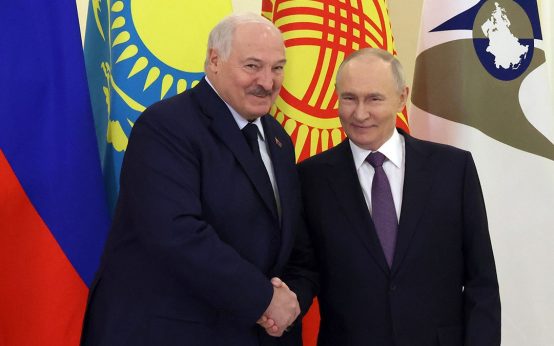 Lukashenko and Putin’s Unique Relationship and Belarus’ Strategic Role
 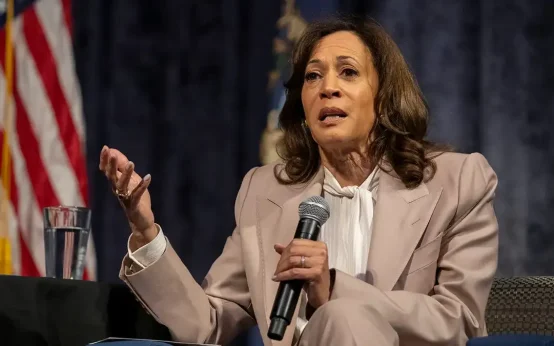 Harris Discusses Potential 2028 Presidential Run
  Far-Left Groups Allegedly Organize Protests in Austin
 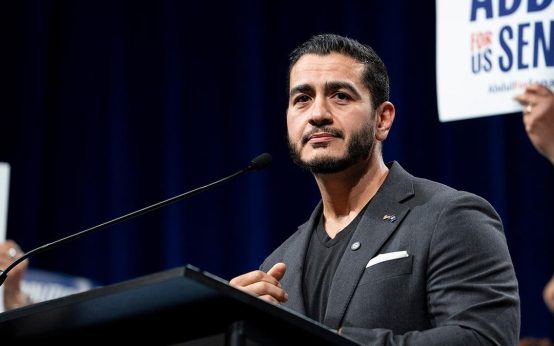 Michigan Senate Nominee Abdul El-Sayed Criticized for Remarks on Reproductive Rights