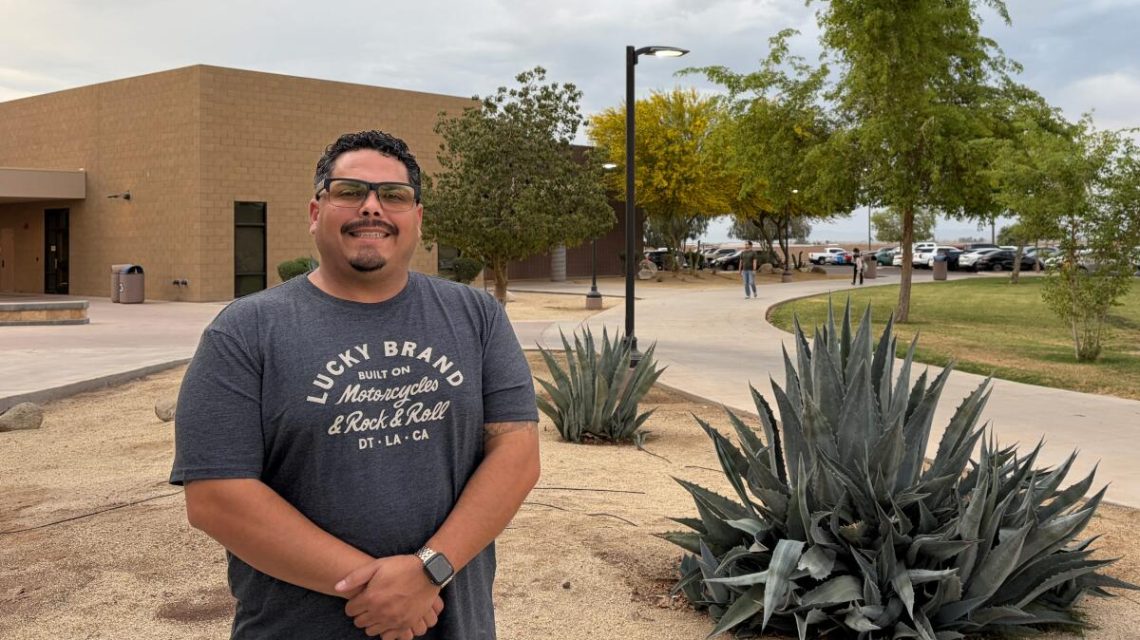
Imperial Valley College initiated a training program aimed at preparing students for careers as plant operators and technicians in the lithium industry. Corban Dillon, a participant in the first class, was optimistic about entering a promising field. Yet, upon completing his certificate in spring 2024, he faced the reality of scarce lithium-related jobs. Despite enrolling in additional programs, positions in lithium extraction remain limited.
Dillon expressed the difficulty of pursuing certification given the lack of immediate employment opportunities. Many students have jobs or families to consider, making it tough to commit without tangible prospects. This dilemma illustrates the broader challenge community colleges face when new industries promise local job creation. Despite local enthusiasm, gaps in skills and training often exist.
Imperial Valley College, currently reducing its lithium programs due to job market uncertainties, embodies the challenges of preparing students for emerging fields. Betony Jones, a senior researcher at the UC Berkeley Labor Center, notes this challenge is common across sectors like solar and advanced manufacturing, which require specific credentials. Jones highlights the necessity for precise timing in training efforts to align with industry needs.
The situation in Imperial County, known for its high poverty and unemployment rates, underscores the importance of local job creation. The region experienced temporary hope when three companies began exploring local lithium reserves, dubbing the area “Lithium Valley.” Berkshire Hathaway Energy Renewables pledged to start commercial operations by 2026, but progress has been slow. Only recently did the company complete its demonstration plant construction.
Controlled Thermal Resources is still raising funds, with job opportunities expected two years down the road. Lithium batteries are crucial for storing renewable energy and powering electric vehicles, with an estimated 18 million metric tons beneath the Salton Sea, sufficient for millions of car batteries.
Amidst news of potential growth, calls for educational opportunities amplified. Imperial Valley College and San Diego State’s satellite campus acted quickly. San Diego State opened new STEM facilities, emphasizing programs in electrical engineering and chemistry to meet local industry needs. Imperial Valley College’s U.S. Department of Energy-backed Lithium Industry Force Training program offers three certifications, each achievable in two semesters, covering relevant areas like chemistry and hazardous materials training.
These educational initiatives have been marketed as direct pathways into the lithium industry. Many residents, seeking local job stability, are drawn to these options. For instance, George Prieto, pursuing his first higher education certificate as a plant operator, reflects local aspirations to access growing industries without relocating.
Challenges persist, such as a 2024 lawsuit by environmental groups and fluctuating politics and markets, delaying projects. These issues, coupled with changing federal support, have shifted focus to lithium projects in other states. Companies now face longer timelines than anticipated.
San Diego State President Adela de la Torre warned that without accelerated progress, graduates face limited local opportunities. Despite these challenges, educational institutions aim to provide transferable skills applicable across industries. As Imperial Valley College prepares to graduate another class, adjustments in program offerings align with industry forecasts.
Imperial Valley College has enrolled 173 students in certification programs since fall 2023, with 42 completing certificates. Despite the hurdles, there is optimism about eventual industry expansion in the area. Dillon’s recent job with a mining company, though not in Imperial County, reflects the broader job market’s potential.
 Headmaster Encourages Students to Speak Up
  Chicago’s Historic Election for School Board President
  Students Rally Against Sexual Violence
 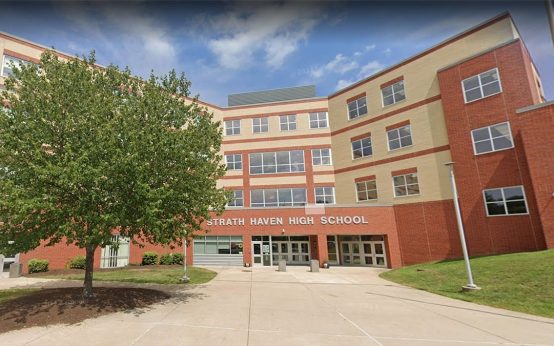 Strath Haven High School Plans Major Renovations with Gender-Neutral Facilities
  Expanding Educational Choice in Florida
  Body-Camera Footage Reveals Details of Virginia School Incident