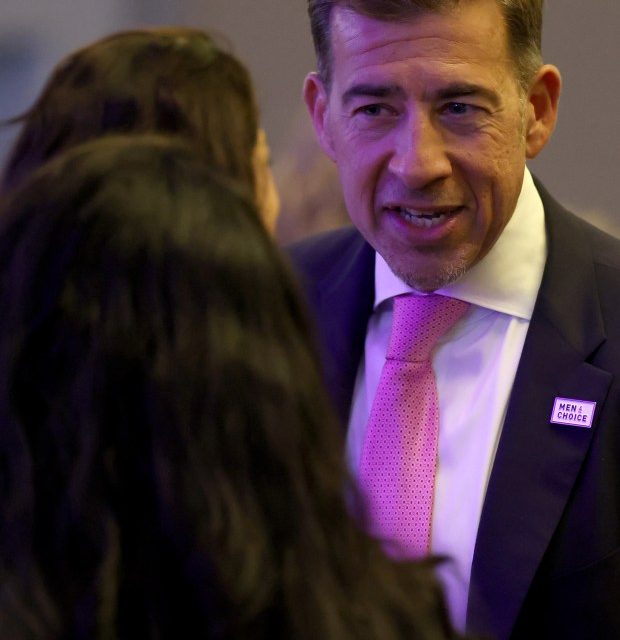
On Monday, as candidates start filing petitions for the upcoming municipal ballot on February 23 in Chicago, Mayor Brandon Johnson is facing significant challenges. A recent poll highlights strong headwinds for his reelection bid. The poll, involving 1,108 adult Chicago residents, included 935 likely voters. Results indicated that 53% of Chicagoans disapprove of Johnson’s job performance, while only 22% approve. Additionally, 25% expressed no opinion.
Among those likely to vote, 55% are not enthusiastic about Johnson running again. Notably, only a quarter of those who voted for him in the previous election view him as their top choice for the upcoming race. This poll was conducted by NORC at the University of Chicago, commissioned by the Mansueto Institute for Urban Innovation. The margin of error stands at 4.11% for the overall population and 4.47% for likely voters.
Johnson, previously a Chicago Teachers Union organizer and a Cook County Board member, defeated the incumbent Mayor Lori Lightfoot in February 2023. He subsequently won a runoff against Paul Vallas by a narrow margin of over 26,000 votes, obtaining 52% of the vote compared to Vallas’ 48%. Despite this victory, his term has encountered controversies. Aldermen majority opposes him, and numerous allies have drifted away. Johnson attributes this scrutiny to opposition from the city’s business interests, which he believes are sabotaging his agenda for the working class.
Since the NORC/Mansueto started tracking his approval in the second quarter of 2025, Johnson’s ratings have not crossed 30%. His disapproval rating remains above 50%, except for a brief drop to 49% early this year. Disapproval peaks at 64.5% on the Northwest Side, while his home base, the West Side, shows the lowest disapproval at 44%. On the South Side, disapproval stands at 49%, and over 53% of those on the Southwest Side are unhappy with his performance. However, the Southwest Side gave him his highest approval rate of 25%. Interestingly, nearly a third on the West Side had no opinion on his mayoral performance.
Race plays a significant role in Chicago’s political landscape. As the fourth Black mayor, Johnson has a 24% approval rating among Black residents, with 46.5% disapproving. Among white and Hispanic residents, disapproval rates are 61% and 49.5%, respectively. Only 32% of likely voters show excitement for a second term for Johnson. Support is nearly equal among Black, white, and Hispanic voters. Among voters who supported him four years ago, only 25% now name him their first choice.
The poll examined a still-evolving candidate field. Illinois Secretary of State Alexi Giannoulias received backing from a quarter of likely voters. Johnson followed at 14%, with no other candidate in double digits. Giannoulias enjoys high enthusiasm, with 59% of likely voters supporting his mayoral campaign. He’s concurrently running for reelection as Secretary of State in November. Susana Mendoza, Illinois Comptroller and mayoral candidate, forewent reelection to her state role to pursue a mayoral campaign. Her candidacy excites 46% of likely voters.
Although 34% of likely voters remain undecided, there’s potential for opinions to shift as the campaign progresses. Johnson counts on strong support from the Chicago Teachers Union, which promises to mobilize supporters for his campaign.
As the candidate petition filing period opens Monday at 9 a.m. at the Chicago Board of Election Commissioners, candidates entered early stand a chance to secure a top spot on the ballot. Those filing within the last hour before the period closes on October 26 will enter a lottery for the ballot’s bottom position. Mayoral candidates need nominating petitions with 12,500 valid voter signatures, though they often submit more to withstand potential challenges.
 Voter Mobilization Efforts Face Challenges Amid Social Media Disruptions
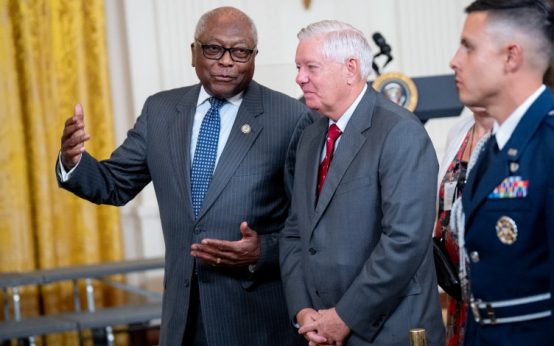 A Hawaiian Naval Firm’s Alleged ‘Pay for Play’ Scheme with South Carolina Politicians
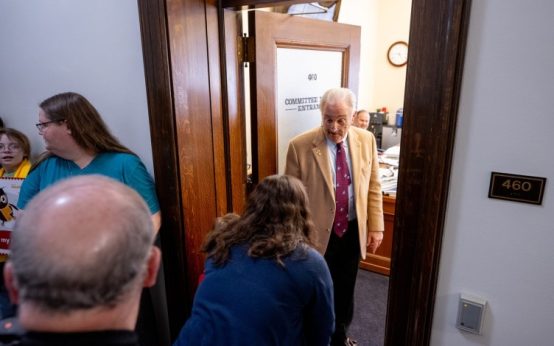 The Political Battle Over West Virginia’s Hope Scholarship
 Unusual Request and Challenges in Election Security
 Ken Paxton’s Impact on Abortion Legislation: A Detailed Examination
 European Right-Wing Politics Shifting Dynamics