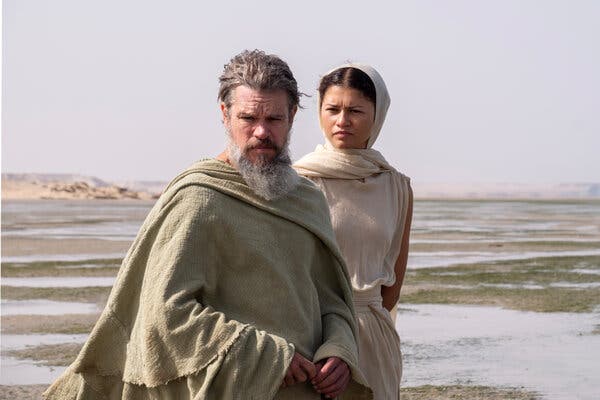
Throughout his career, Christopher Nolan has explored grand narratives, often focusing on male-centric stories involving struggles and conflicts. His films challenge both human limits and cinematic possibilities. In his 2006 drama, “The Prestige,” a line about transforming the ordinary into the extraordinary reflects Nolan’s artistic vision.
Nolan’s passion for cinema is evident in his films, offering audiences a blend of art and blockbuster appeal. His adaptation of “The Odyssey” epitomizes this approach, merging thematic elements with dynamic storytelling. He bridges the gap between art films and blockbuster movies by creating engaging and awe-inspiring cinema.
Adapting “The Odyssey,” a cornerstone of Western literature, seems fitting for Nolan. This epic poem covers themes of gods, mortals, and mythical adventures. Nolan’s version, filmed entirely in IMAX, stars Matt Damon as Odysseus and Zendaya as Athena, bringing a 3,000-year-old tale into modern cinematic splendor.
Nolan’s adaptation focuses more on Odysseus’s mythical journey than the original poem, while emphasizing the family he left behind. This perspective highlights the emotional cost of war and neglect, portraying a more psychologically relatable Odysseus for contemporary audiences. Anne Hathaway and Tom Holland portray his family, adding depth to the domestic narrative often overlooked in male-centered stories.
 Stallone Surprised by Appointment as Hollywood Ambassador by Trump
 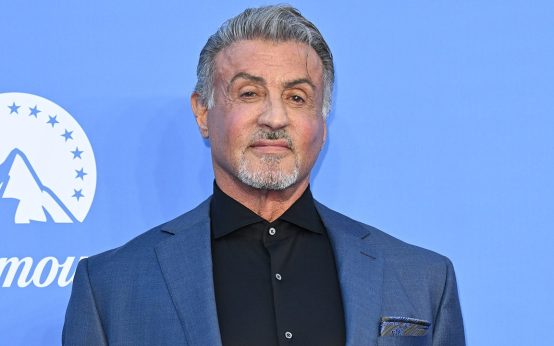 Sylvester Stallone: A Multifaceted Hollywood Icon
  Fat Bear Week 2026: A Look at the Contest and Its Competitors
  Riot Fest’s Muddy Weekend and Commitment to Park Restoration
  Presley Gerber: A Look Back at His Life and Legacy
  Rhiannon Giddens on Music, Heritage, and Hope