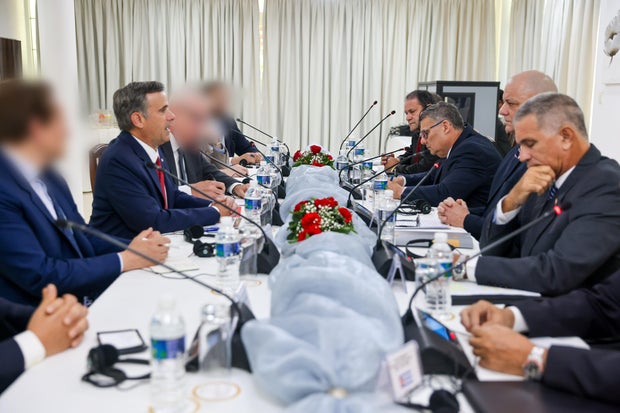
CIA Director John Ratcliffe visited Havana last week for an uncommon meeting with senior Cuban officials. Alongside him was one of the operatives involved in the U.S. mission that captured Nicolás Maduro, the former Venezuelan leader, earlier this year. This capture followed Venezuela’s alliance with Cuba. The Cuban government reported 32 of its military and police officers were killed during the operation to extract Maduro. Ratcliffe drew attention by introducing the paramilitary leader to the Cubans as the individual responsible for the deaths in Venezuela. This action may have intended to send a strong signal.
The CIA declined to comment on the visit. Ratcliffe’s trip occurred amid rising pressure on Cuba. The U.S. administration threatened heavy tariffs on countries exporting oil to Cuba, causing notable fuel shortages. Secretary of State Marco Rubio stated Cuba needs significant economic and political reforms. Moreover, President Trump’s suggestion of a ‘friendly takeover’ of the island elicited responses from U.S. administrations historically frustrated by Cuba’s communist regime, in power since 1959. Following the Maduro raid, Rubio highlighted Cuba’s deep ties with Venezuela, asserting that Venezuela’s ‘complete spy agency’ was ‘entirely run by Cubans.’ He expressed that, if he were part of the Cuban government, he would be at least slightly worried.
A CIA official stated Ratcliffe communicated to Cuba the U.S.’s willingness to ‘seriously engage on economic and security issues, contingent on Cuba embracing fundamental changes.’ During the meeting, Ratcliffe encountered Raúl Rodriguez Castro, known as ‘Raulito,’ the grandson of former Cuban President Raúl Castro. Less than a week later, U.S. federal courts unsealed an indictment against the 94-year-old Raúl Castro for murder and conspiracy related to the 1996 downing of two planes.
This meeting held significance against a backdrop of a Cold War history that has defined relations between Washington and Havana for over five decades. Cuban leaders likely recall covert American efforts to destabilize Fidel Castro’s government, including the failed Bay of Pigs invasion and the Kennedy administration’s Operation Mongoose.
These historical tensions continue to influence U.S.-Cuban relations. On Thursday, Rubio remarked that Cuba ‘not only possesses weapons acquired from Russia and China but hosts their intelligence agencies as well.’ A CIA representative mentioned Ratcliffe’s talks on ‘security issues’ with a focus that Cuba must not remain a sanctuary for adversaries in the Western Hemisphere.
Amid escalating tensions, the U.S. intelligence community examines potential Cuban responses to American military maneuvers. CBS News reported that Cuba has acquired attack drones. In response, Cuban President Miguel Díaz-Canel Bermúdez assured this week that Cuba ‘poses no threat’ to the U.S. However, he cautioned against a ‘bloodbath’ if U.S. strikes occur.
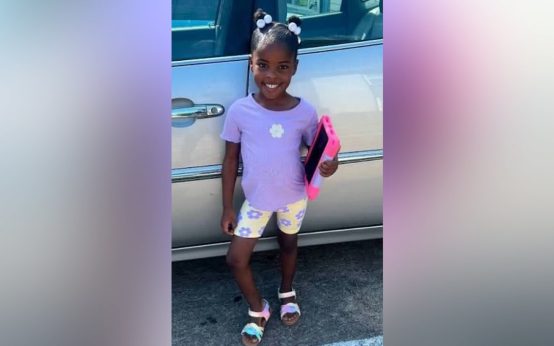 Texas Man Charged with Capital Murder in Shooting of 5-Year-Old
 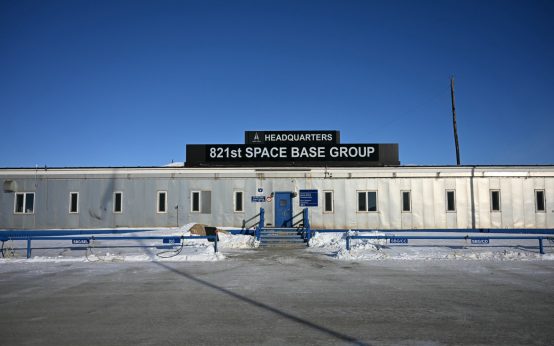 New U.S. Military Bases Planned in Greenland Amid Strategic Security Deal
  Challenges Facing the Supreme Court’s Public Perception
  California Democratic Aide Arrested for Visa Overstay by Federal Authorities
  Twitch Streamer Hasan Piker Discusses Controversial Commentary
  Experts Doubt Export Ban Will Lower Fuel Prices