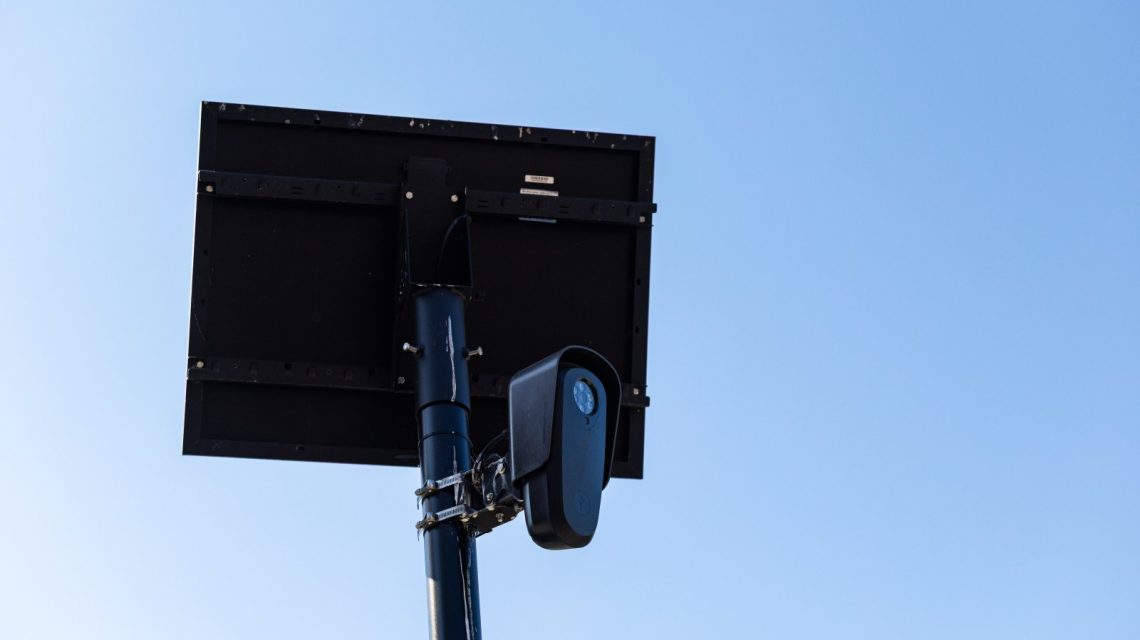
Across the United States, cities are making varied decisions about the use of Flock Safety’s automated license plate-reading cameras. Some local governments choose to keep the technology, occasionally imposing stricter regulations on data use, while others eschew it due to privacy concerns and public opposition.
Decisions on Camera Usage: A Mixed Picture
Authorities in certain areas believe the technology aids in solving crimes and locating missing persons. Others maintain the tools despite skepticism about privacy and data management. Multiple cities have opted to continue using the cameras or renew contracts, often under changing terms or conditions subject to further revision. Newsweek reached out to Flock and several mentioned cities for commentary.
San Francisco’s Approach
San Francisco has decided to retain the cameras but has implemented more stringent rules regarding data access and usage. Officials require officers to gain approval from department leaders and demonstrate a connection to an active investigation before accessing ALPR data. Data collected is deleted from Flock’s platform after 30 days, but police may keep their copies for up to a year.
Costa Mesa, California
Despite resident opposition, Costa Mesa’s city council voted 6–1 to maintain its arrangement with Flock. The decision came with directives to modify the contract for more municipal control over data. The council sought to shorten retention periods from 365 days to 45 days and ensure effective oversight. The city’s 46-camera system has assisted in recovering stolen property and investigating crimes.
Oklahoma City
Oklahoma City renewed its contract in August, agreeing to pay $270,000 to keep 90 cameras operational until June 2027. The city reports that the system aids in serious crime investigations, including homicides and vehicle recoveries. The renewal included limits on federal data access and a reduction of the retention period from 30 days to seven, with an annual review plan.
Cities Retaining Cameras Amid Opposition
Evansville, Indiana, incorporated funding for cameras in its 2027 budget, despite privacy concerns. The Police Chief assured councilors that data is not shared for immigration enforcement. Officials like Councilor Rita Taylor struggle with balancing safety efforts and the surveillance impact on vulnerable groups.
In College Station, Texas, councilors renewed a one-year contract for 84 cameras after lengthy public input. Calls for stronger safeguards and potential camera number reduction featured in discussions.
Dunwoody, Georgia, officials defend their choice, citing safeguards and the role of technology in police work, despite concerns reported in initiatives like the Mayors Innovation Project.
Unresolved Decisions
Scottsdale, Arizona, plans to keep cameras for now while developing proposals for safeguards, an audit, and a review of data procedures. The city will revisit the issue in December.
Cleveland, Ohio, temporarily extended its Flock system, aiming for provider proposals. Discussion continues about license plate readers, with leadership recommending a policy pause.
Ongoing Privacy and Data Sharing Concerns
Numerous U.S. communities continue opposing the ALPR cameras over privacy issues, data sharing, and government oversight. DeFlock reports over 122,000 cameras mapped nationwide, with 95 cities rejecting proposed systems, amid Flock’s nationwide expansion.
 Addressing Congressional Overspending: A Call for Reform
  Concerns Over Livestreaming Fort Hood Shooter’s Execution
  Six Flags Closes Rides After Fatal Incident in Georgia
  Google and Apple Calendars Reflect Ongoing Debate Over Columbus Day and Indigenous Peoples’ Day
  Houthi Attack Leads to Fallout in Wrestling World
  Incident at Six Flags Over Georgia: One Fatality and Several Injuries